
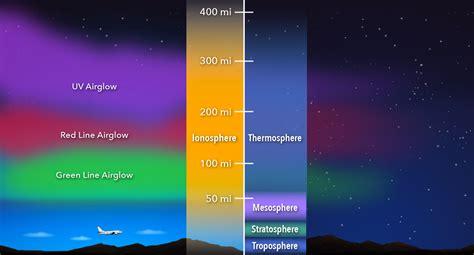
The ionosphere is the lower section of the thermosphere. It stretches from the mesopause up to about 600 kilometers above Earth’s surface. This layer is unique because it has a high concentration of free electrons, which play a crucial role in how radio waves travel. When high-frequency (HF) radio waves hit these free electrons, they vibrate and send the energy back down at the same frequency. This process allows radio signals to bounce back towards the Earth, making long-distance communication possible.
However, the ionosphere isn’t uniform; its distribution and concentration of ions change between day and night. Several factors influence this variation, including solar radiation, geomagnetic storms, and even lightning. These elements can significantly affect radio propagation. Additionally, the movement of ions across Earth’s magnetic field generates electrical currents within the ionosphere.
One fascinating phenomenon that occurs in the ionosphere is the aurora, commonly known as the Northern Lights or Southern Lights. These stunning displays happen near the mesopause during geomagnetic storms, showcasing the dynamic nature of this vital atmospheric layer.