Manchester Airport (IATA: MAN, ICAO: EGCC) stands as one of the United Kingdom’s premier international aviation hubs, playing a pivotal role in connecting the North of England with the rest of the world. Located in Ringway, just south of Manchester city centre, the airport spans 560 hectares and features three passenger terminals, two parallel runways, and a comprehensive cargo infrastructure. As of 2024, it processed 30.9 million passengers, solidifying its position as the third busiest airport in the UK and the busiest outside of London.
A Legacy Forged from Wartime Origins to Global Significance
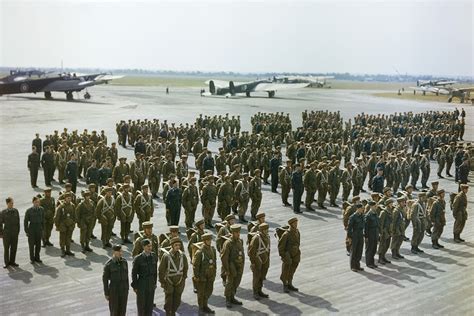
Manchester Airport’s evolution from a regional airfield to a major international gateway reflects both visionary planning and strategic investment. Originally opened as Ringway Airport on 25 June 1938, it quickly became vital to the national war effort during World War II, serving as RAF Ringway, a hub for aircraft manufacturing and parachute training.
Post-war, the airport transitioned back to civilian use and embarked on a trajectory of steady expansion. KLM Royal Dutch Airlines initiated scheduled services in 1938, followed by Air France in 1946. The introduction of 24-hour operations and intercontinental services in the 1950s marked the beginning of Manchester’s global ambitions. BOAC’s transatlantic services in 1963 and a series of infrastructure upgrades—including runway extensions and new terminals—paved the way for a surge in passenger and cargo traffic.
The 1980s and 1990s were transformative decades. Terminal A (now Terminal 3) opened in 1989, followed by Terminal 2 in 1993, which also integrated a railway station—a forward-thinking move that improved multimodal access. A second full-length runway, Runway 05R/23L, opened in 2001, establishing Manchester as a dual-runway airport capable of handling simultaneous operations.
Modern Terminal Complex: Infrastructure Built for Expansion
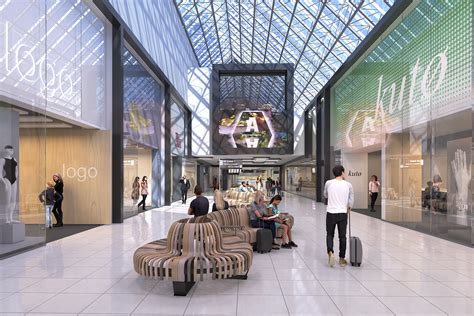
Manchester Airport’s three-terminal layout is designed to facilitate both high passenger throughput and airline operational efficiency. As part of an ongoing transformation project, the airport is restructuring its terminal infrastructure to consolidate operations and increase capacity significantly.
- Terminal 1, opened in 1962, spans 110,000 m² and accommodates approximately 11 million passengers annually. With 29 stands and 15 air bridges, it includes Gate 12, which is A380-capable. Terminal 1 is scheduled for closure in 2025, with its functions to be merged into the expanding Terminal 2.
- Terminal 2, currently undergoing a major multi-phase expansion, already features 52,000 m² of space and 20 gates (16 with air bridges). With the completion of Pier 1 in 2019 and the ongoing extension that includes Pier 2 and refurbishment, the terminal is set to support 25 million passengers annually by 2025.
- Terminal 3, originally Terminal A, launched in 1989 and saw major enhancements by British Airways in 1998. Today, it supports domestic flights and Oneworld partners within 44,400 m².
- The Aether Private Terminal, launched in October 2019 and re-opened in November 2024, provides an exclusive, bespoke travel experience for VIP passengers, reaffirming the airport’s appeal across all market segments.
Runway Operations and Air Traffic Handling Capabilities
Manchester Airport’s airfield includes two full-length parallel runways—05L/23R and 05R/23L—each around 3,050 metres in length, enabling independent arrivals and departures during peak hours from 06:00 to 22:00. Night operations utilize a single-runway configuration, balancing capacity with noise abatement measures.
The airport’s air traffic movements exceeded 196,091 in 2024, and it remains one of the few UK airports with significant night-time transatlantic capabilities. Maintenance facilities on-site, such as those operated by Jet2.com and Etihad Airways, ensure operational resilience.
Airline Network and Destinations: A Global Footprint
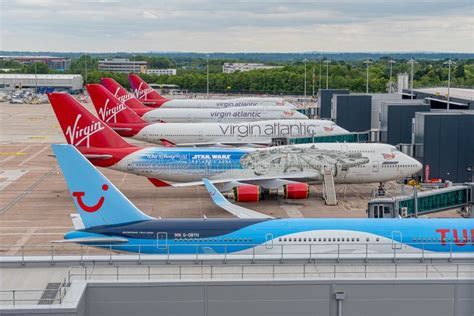
Manchester Airport serves as a strategic base for airlines including Virgin Atlantic and Aer Lingus UK, and is frequented by major global carriers. Its route network spans Europe, North America, Asia, and Africa, connecting business and leisure travellers to nearly 200 destinations worldwide.
Seasonal and leisure-focused routes thrive alongside long-haul corridors to cities like New York, Dubai, Doha, and Islamabad. The presence of cargo airlines such as ASL Airlines France and FedEx Express underscores the airport’s dual passenger-freight versatility.
Freight and Logistics: A Northern UK Cargo Powerhouse
The World Freight Terminal, occupying 510,000 m², supports over 100 freight forwarding companies and plays a crucial role in connecting Northern England with global logistics chains. The airport is actively expanding its freight footprint through the World Logistics Hub, a key initiative under the Manchester Airport Master Plan to 2030.
This ambitious plan envisions demolition of outdated infrastructure to make way for a new apron, additional taxiways, and 15 more aircraft stands adjacent to Terminal 2. The logistics zone will feature dedicated maintenance, office, and hotel facilities, positioning Manchester Airport as a leading multifunctional air logistics centre.
Ground Transport and Intermodal Connectivity
Seamless ground connectivity is a cornerstone of Manchester Airport’s long-term vision. The Manchester Airport railway station, opened in 1993, sits conveniently between Terminals 1 and 2 and is linked by a Skylink moving walkway.
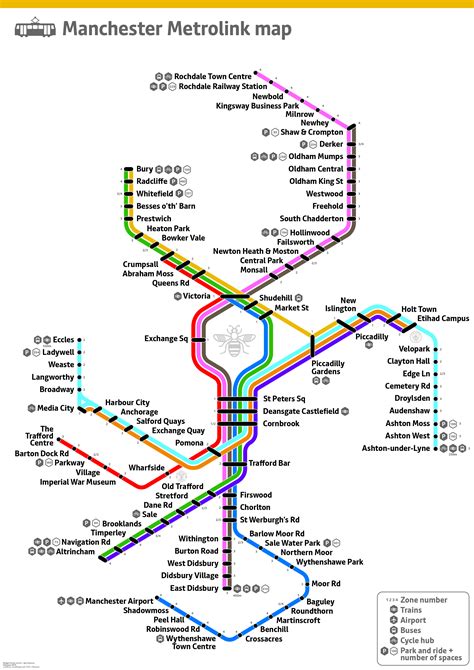
Trains operated by Northern, TransPennine Express, and Transport for Wales provide regional and national rail access. The Metrolink tram extension, launched in 2014, connects the airport to Manchester city centre and beyond, offering a frequent, sustainable mode of urban travel.
Response to Challenges: Adaptation During COVID and Beyond
The COVID-19 pandemic tested the resilience of global aviation, and Manchester Airport was no exception. Passenger numbers fell sharply, prompting temporary closure of terminals and a suspension of transatlantic services from American Airlines in 2020. However, the airport responded with agility, accelerating digitisation efforts, health protocols, and infrastructure upgrades to ensure a swift post-pandemic recovery.
As of late 2024, full terminal operations have resumed, and new routes continue to be introduced, with emphasis on sustainability and digital transformation.
Looking Ahead: Manchester Airport’s Master Plan to 2030
The airport’s strategic Master Plan looks toward a sustainable and scalable future. In addition to the Terminal 2 expansion, a significant focus is placed on:
- Developing the World Logistics Hub to attract global cargo and freight traffic.
- Creating new maintenance and MRO zones (maintenance, repair, overhaul).
- Establishing new business parks and hospitality facilities.
- Integrating green infrastructure and low-emission ground support systems.
With its expanding role in the national and regional economy, Manchester Airport is poised to become an even more critical economic engine for the North of England.
Conclusion: Manchester Airport as a Vision of 21st Century Aviation
From its wartime roots to its current stature as the North’s international gateway, Manchester Airport exemplifies the evolution of modern air transport. With strategic investments, an expansive route network, multimodal accessibility, and a bold future vision, it continues to shape the trajectory of UK aviation beyond the London-centric model.
Its growth is a testament not only to demand, but to meticulous planning and forward-thinking development, ensuring Manchester Airport remains at the forefront of European and global aviation for decades to come.