The introduction of St. Regis Estates arrives wrapped in elaborate language, lofty promises, and a level of brand segmentation that even seasoned loyalty members are struggling to decode. Marriott is positioning this new tier as an “ultra-exclusive brand expression” meant to capture historic estates, sweeping grounds, and deeply rooted narratives. The ambition is clear: elevate select properties above the standard St. Regis portfolio by anchoring them in heritage, natural beauty, and curated emotional resonance.
Marriott frames the concept as a modern continuation of the Astor family’s grand estate lifestyle—a translation of old-world privilege into contemporary luxury. The Estates are marketed as destinations that embody residential intimacy woven with architectural splendor, tapping into what the company describes as a rising desire for privacy, authenticity, and a connection that extends beyond mere décor. The message is unmistakable: this is not just another St. Regis, but a chosen enclave for long, leisurely stays defined by land, legacy, and exclusivity.
Yet the marketing tone reads as if EDITION’s team wandered into the St. Regis offices, spilled a vat of brand poetry on the table, and left unnoticed. Marriott’s senior leadership, represented loudly by George Fleck, underscores nostalgia, belonging, and cinematic landscapes. Fleck presents Estates as retreats capable of slowing time itself—luxury framed not in spectacle, but in cultivated stillness.
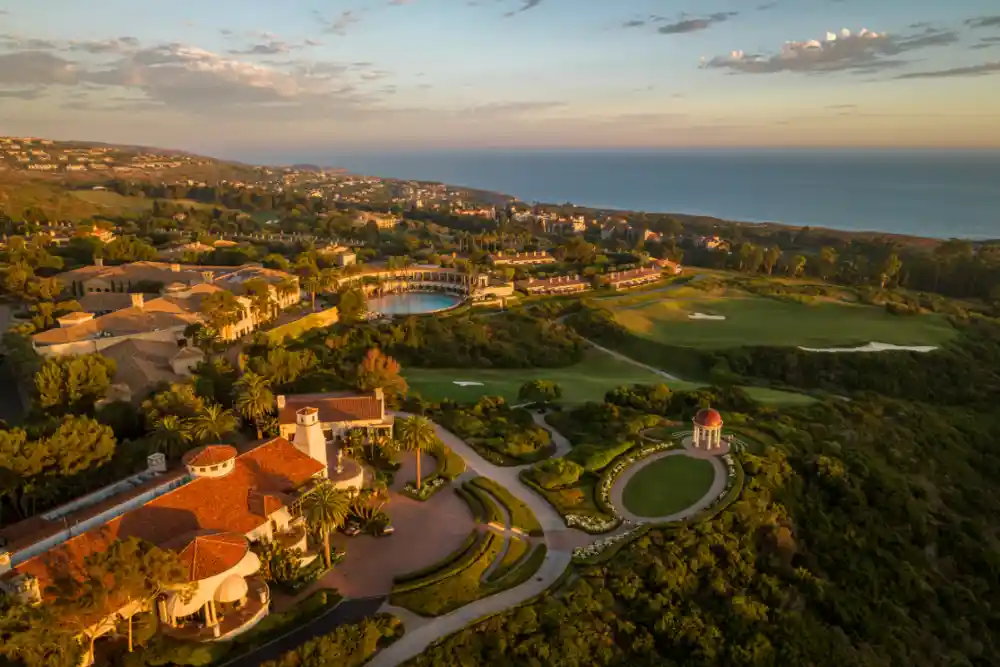
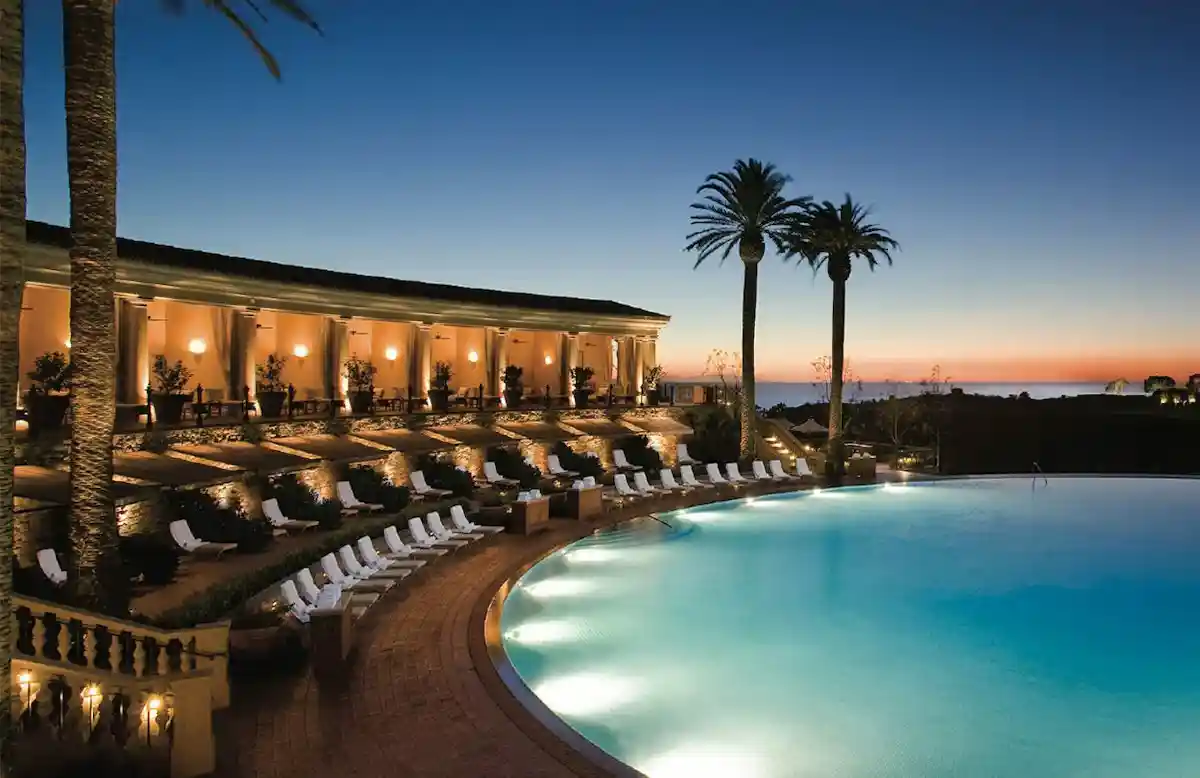
The debut site for this aspirational tier is The Resort at Pelican Hill in Newport Beach, scheduled to relaunch as a St. Regis Estate in 2027. The property, which joined the Marriott system in 2024, is undergoing a comprehensive renovation. Its selection signals Marriott’s attempt to anchor Estates in properties that already possess some level of cinematic landscape and architectural heft—though calling a 200-plus-room Southern California resort a bastion of privacy may raise eyebrows.
Marriott insists the property’s legacy, coastal setting, and sprawling grounds qualify it as an archetype of the Estates blueprint. Whether the final experience will align with the romantic narrative remains to be seen, but Pelican Hill’s transformation will likely serve as the test case for the entire initiative.
A New Brand Layer or a Strategy to Sidestep Benefits?
The launch immediately sparked conversations reminiscent of the Ritz-Carlton Reserve debate. Members wonder whether this is truly a standalone brand or simply a classification designed to elevate certain St. Regis properties above standard loyalty obligations. The lack of clarity fuels speculation: if Estates becomes a de facto escape hatch from Bonvoy elite perks, it would mirror past patterns.
The irony is palpable. Marriott’s reputation for inconsistent brand standards is well documented, yet instead of refining existing tiers, the company continues to multiply them. For long-standing St. Regis properties, the introduction of Estates may feel like a quiet demotion—an unspoken acknowledgment that a new, shinier sibling has entered the room.
Ambition Without Anchoring: What Is St. Regis Estates Really Trying to Be?
The overarching story feels muddled. “Privacy, authenticity, and emotional connection” are words that often do the heavy lifting in luxury branding, but translating them into measurable, differentiable experiences requires more than lyrical descriptors. It requires operational distinctions, design philosophies, and service standards that are clear, repeatable, and defensible.
Without those, the brand risks floating in the same nebulous space where several luxury sub-brands already reside—technically impressive on paper, ambiguous in practice. The juxtaposition of sweeping estates imagery with a large Newport Beach resort underscores the disconnect between vision and execution.
Bottom Line: Marriott Adds Another Layer to an Already Overcrowded Brand Architecture
St. Regis Estates enters the scene with lavish storytelling but uncertain substance. The first property, Pelican Hill, carries prestige and strong visual appeal, but its scale challenges the intimacy Marriott claims to be central to the concept. Until more Estates properties emerge and operational details crystallize, the brand exists largely as an aspirational narrative.
Whether this is a meaningful evolution of the St. Regis identity or simply the latest addition to Marriott’s ever-expanding brand constellation remains to be seen. What is certain is that the industry will be watching closely as Pelican Hill evolves into Marriott’s newest experiment in ultra-luxury positioning.