Nestled in the heart of the Caribbean, St. Barts Airport (SBH) is unlike almost any commercial airport on Earth. Officially known as Gustaf III Airport, this tiny aviation gateway has achieved legendary status among travelers, photographers, and aviation enthusiasts alike. Its reputation doesn’t stem from luxurious terminals or enormous passenger volumes. Instead, it has become famous because every landing and departure feels like a carefully choreographed performance between skilled pilots, dramatic terrain, and breathtaking tropical scenery.
The airport serves the exclusive French Caribbean island of Saint Barthélemy, better known as St. Barts, a destination celebrated for its white-sand beaches, luxury villas, designer boutiques, and celebrity visitors. Yet for many visitors, the journey to the island is just as memorable as the destination itself. Few airports transform an ordinary arrival into an adrenaline-filled attraction quite like SBH.
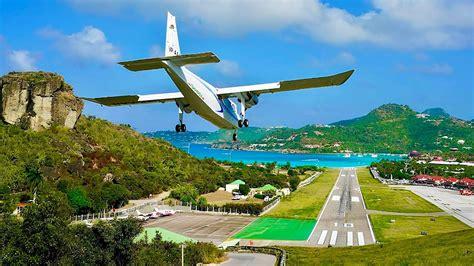
Unlike conventional airports built on wide stretches of flat land, Gustaf III Airport occupies a narrow strip squeezed between steep green hills and the turquoise Caribbean Sea. The result is one of the world’s most spectacular approaches, where aircraft descend sharply over a hillside before touching down on a remarkably short runway just moments before reaching the beach.
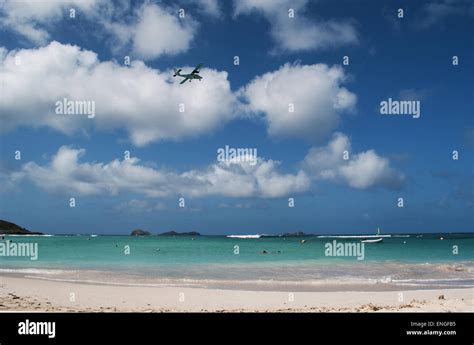
Visitors quickly discover that watching airplanes arrive has become part of island life. Tourists stop their rental cars, beachgoers pause their swims, and photographers gather along the hillsides simply to witness aircraft glide overhead only a few dozen feet above them.
Where Is St. Barts Airport?
Gustaf III Airport (SBH) sits in St. Jean, one of the island’s busiest coastal villages. Although the island measures only around 25 square kilometers (9.7 square miles), its rugged volcanic landscape creates major engineering challenges for transportation infrastructure.
Unlike flatter Caribbean islands, St. Barts is dominated by rolling mountains and steep coastal cliffs. Finding enough level ground for an airport was never easy. Engineers ultimately positioned the runway between a hillside and the sea, producing one of aviation’s most unusual layouts.
The runway stretches only 2,119 feet (646 meters), making it one of the shortest commercial runways regularly served by scheduled passenger flights. While it is longer than nearby Saba Airport, which holds the record for the world’s shortest commercial runway, SBH presents its own unique challenges because of its dramatic terrain.
Why St. Barts Airport Is Famous Worldwide
Thousands of airports operate around the globe, yet only a handful have become tourist attractions in their own right. St. Barts Airport belongs to this exclusive category.
Its fame comes from a combination of several remarkable characteristics working together.
The first is the incredibly steep approach. Aircraft cannot simply glide gradually toward the runway as they do at larger international airports. Instead, pilots must fly over a steep hill immediately before the runway threshold, then rapidly descend onto the runway in just a few seconds.
The second is the airport’s incredibly short landing distance. Pilots have very little room for error, requiring precision and extensive experience.
Finally, the airport is completely integrated into everyday island life. One side borders the sea while the other connects to public roads, beaches, restaurants, and neighborhoods. Aircraft become part of the scenery rather than remaining isolated behind miles of airport property.
These characteristics have made SBH one of the most photographed airports in the Caribbean.
How To Get To St. Barts Airport
Although St. Barts feels wonderfully secluded, reaching the island is surprisingly straightforward.
Because the runway is too short for large commercial jets, passengers generally arrive through a nearby international hub before boarding a smaller regional aircraft.
The most common gateway is Princess Juliana International Airport (SXM) on neighboring St. Martin. This airport receives flights from North America, Europe, and numerous Caribbean destinations before passengers transfer to smaller aircraft serving SBH.
The flight from St. Martin takes only around 10 minutes, making it one of the shortest scheduled international flights in the region.
Other connections are also available from destinations including:
- San Juan, Puerto Rico
- Antigua
- Pointe-à-Pitre, Guadeloupe
Travelers who prefer avoiding regional flights can also reach the island by ferry from nearby Caribbean islands, although flying remains the fastest and most convenient option.
Airlines Serving St. Barts
Because of the runway limitations, only specially suited aircraft operate scheduled passenger services.
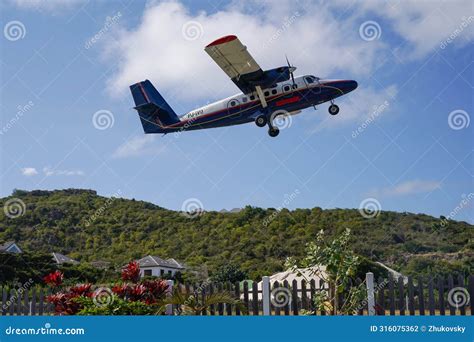
The busiest airline serving SBH is Winair, which operates frequent flights throughout the day, particularly between St. Martin and St. Barts. During peak periods, departures can occur only minutes apart.
Other operators include:
- Tradewind Aviation
- St. Barth Commuter
- St. Barth Executive
- Cape Air
Helicopter transfers are also available through regional operators for travelers seeking even faster transportation.
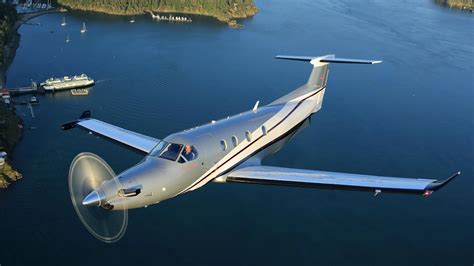
Instead of large Boeing or Airbus jets, passengers fly aboard capable turboprop aircraft designed for short-field operations. These airplanes possess exceptional braking performance, excellent low-speed handling, and outstanding climbing ability, making them ideal for airports like SBH.
The Incredible Landing Experience
The highlight of every journey is undoubtedly the landing.
For much of the flight, everything appears perfectly routine. The aircraft cruises over sparkling Caribbean waters while passengers admire nearby islands below.
Then the airport suddenly appears.
Just before reaching the runway, the aircraft flies directly toward a steep hillside. At what feels like the very last moment, the pilots descend sharply over the crest before immediately aligning with the runway.
The transition happens astonishingly quickly.
Passengers often experience the familiar sinking sensation in their stomach as the aircraft drops onto final approach. Unlike the long, gradual descents common at major airports, this maneuver feels dramatic, controlled, and surprisingly exhilarating.
Within seconds of touchdown, powerful braking rapidly slows the aircraft to taxi speed. The remarkably capable Twin Otter can comfortably stop within the limited runway available, demonstrating why it has earned such an outstanding reputation worldwide.
Taking Off Over The Caribbean Sea
Departures are noticeably less dramatic but equally memorable.
Instead of climbing toward mountains, aircraft accelerate directly toward the open ocean.
The powerful turboprop engines propel the aircraft down the short runway before lifting into the brilliant blue Caribbean sky. Because the runway is relatively short, acceleration feels brisk, giving passengers an immediate sense of performance.
Almost instantly, breathtaking panoramic views unfold beneath the aircraft.
White beaches, luxurious villas, yachts anchored offshore, and emerald-green hills combine to create one of the Caribbean’s most beautiful departure experiences.
Is St. Barts Airport Really Dangerous?
The airport frequently appears on internet lists ranking the world’s most dangerous airports. While the approach certainly demands precision, this reputation deserves important context.
Landing at SBH is unquestionably more technically demanding than landing at most commercial airports. Pilots undergo specialized training and certification before operating flights into St. Barts. They repeatedly fly these routes, becoming intimately familiar with the airport’s unique procedures.
Weather conditions also play a major role.
Flights only operate when visibility and operating conditions meet strict safety requirements. If weather deteriorates beyond acceptable limits, flights can simply return to nearby St. Martin, located only minutes away.
The airport’s safety record supports these operational practices. Although a tragic accident occurred in 2001 due to pilot error, there have been no comparable fatal commercial accidents despite thousands upon thousands of successful landings over the past two decades.
For passengers, the approach may feel thrilling, but it is executed by experienced crews following well-established procedures designed specifically for this challenging environment.
Plane Spotting Is A Tourist Attraction
Unlike most airports, where observation areas attract only aviation enthusiasts, plane spotting at St. Barts has become a mainstream tourist activity.
Every arriving aircraft draws attention from visitors scattered across nearby beaches and roads.
One of the best viewpoints lies atop the hill overlooking the runway. From here, aircraft suddenly emerge over the ridge before dropping dramatically toward the runway only moments later.
Photography enthusiasts particularly appreciate this location because it captures both the dramatic terrain and the ocean backdrop.
Since aircraft remain hidden behind the hill until the final seconds, many enthusiasts use flight-tracking applications to monitor incoming traffic and position themselves before each arrival.
Another outstanding viewing location sits beside the airport itself. Because portions of the terminal remain publicly accessible, visitors can watch aircraft taxi, land, and depart from remarkably close distances.
The combination of tropical scenery, low-flying aircraft, and constant activity makes every arrival feel like a live aviation show.

A Small Airport With Unexpected Charm
Despite its worldwide reputation, Gustaf III Airport remains refreshingly modest.
Rather than overwhelming passengers with sprawling terminals, endless security queues, and complicated layouts, the airport embraces simplicity.
The open-air check-in area immediately reflects the relaxed Caribbean atmosphere. Palm trees sway nearby while warm ocean breezes replace enclosed concourses found at larger airports.
After check-in, passengers may head upstairs to a comfortable waiting lounge equipped with air conditioning, soft seating, and panoramic views overlooking both the runway and aircraft parking apron.
Watching aircraft arrive from these windows becomes entertainment in itself.
Several airline offices occupy the upper level, including facilities supporting passengers connecting with long-haul international flights.
The terminal also features small retail shops and a restaurant where travelers can enjoy refreshments before departure.
Perhaps most surprising to first-time visitors is the streamlined departure process. Security procedures are minimal compared with major international airports, allowing passengers to arrive relatively close to departure time without enduring lengthy waits.
The Best Time To Visit St. Barts Airport
The airport offers spectacular viewing opportunities throughout the year, but weather conditions influence visibility.
The Caribbean’s dry season generally provides clearer skies, calmer conditions, and excellent photography opportunities.
Morning arrivals often benefit from softer lighting, while afternoon flights showcase vivid tropical colors illuminated by bright sunshine.
Flight schedules vary considerably throughout the day. At times, no aircraft may arrive for nearly an hour. Shortly afterward, multiple flights can land within only a few minutes.
Checking live flight schedules before visiting ensures a far more rewarding experience.
Why Aviation Enthusiasts Consider SBH A Bucket List Airport
Certain airports become legendary because they offer something impossible to replicate elsewhere.
For St. Barts, that uniqueness comes from combining skilled flying, extraordinary geography, and stunning scenery into one unforgettable experience.
Every element contributes to its legendary status.
The mountainous approach challenges pilots.
The incredibly short runway showcases remarkable aircraft capabilities.
The crystal-clear Caribbean waters create unforgettable aerial views.
The close proximity between aircraft and spectators provides photography opportunities rarely found elsewhere.
Most importantly, the airport feels authentic rather than manufactured for tourism. Watching aircraft land has naturally become woven into daily island life, creating an atmosphere unlike any other aviation destination.
Why The Journey Is As Memorable As The Destination
Many tropical vacations begin with an ordinary airport arrival followed by a transfer to the beach. St. Barts turns that sequence upside down.
Long before travelers check into luxury resorts or relax beside turquoise waters, they experience one of the world’s most unforgettable commercial flights. The final minutes of the approach remain etched into memory, transforming transportation into an attraction worthy of the destination itself.
For aviation enthusiasts, Gustaf III Airport represents a masterpiece of precision flying. For casual travelers, it delivers an unexpected thrill that often becomes the highlight of the trip. For photographers, it provides endless opportunities to capture aircraft framed by emerald hills and sparkling Caribbean waters.
Few airports inspire visitors to stop, watch, and smile every time an aircraft appears overhead. St. Barts Airport accomplishes exactly that. Its unique blend of technical flying, spectacular scenery, relaxed Caribbean charm, and intimate scale has earned its place among the most iconic airports on the planet. Whether arriving for a luxurious island escape or simply to witness one of aviation’s greatest spectacles, SBH proves that sometimes the journey truly is every bit as extraordinary as the destination itself.