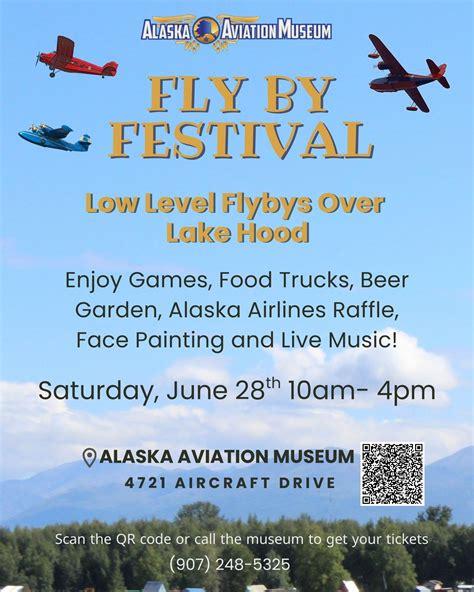
Set against the shimmering waters of Lake Hood, the world’s busiest seaplane base, Anchorage erupted into a spectacle of aviation energy as Alaska Airlines took center stage at the annual Fly By Festival. Organized by the Alaska Aviation Museum, this year’s event unfolded not merely as a gathering but as a dynamic fusion of aerial artistry, historical reverence, and vibrant local culture. From rare aircraft exhibitions to the roar of classic engines in the sky, the festival solidified its status as a premier celebration of the state’s aviation legacy.
A Skyborne Symphony Above Lake Hood
The skies over Lake Hood were anything but quiet as nearly 20 aircraft performed low-altitude passes, wing dips, and formation flybys, offering an up-close encounter with aviation excellence. Each aerial maneuver was not only a showcase of pilot precision but a tribute to the pioneering spirit that shaped Alaska’s aviation frontier. Aircraft ranging from vintage bush planes to sleek military trainers carved through the clouds in coordinated bursts of flight, echoing decades of history with every engine’s roar.
The event kicked off with a spectacular flyover by a restored Douglas DC-3, an aircraft revered for its role in wartime logistics and Alaskan air supply routes. The presence of this historic twin-engine transport set the tone for a day that honored not only aircraft but the lives, routes, and cargoes they carried. Adding to the thrill was a high-energy aerobatic performance by local stunt pilots, turning the sky into a canvas of loops, rolls, and dives that captivated audiences below.
Immersive Encounters With Aviation History
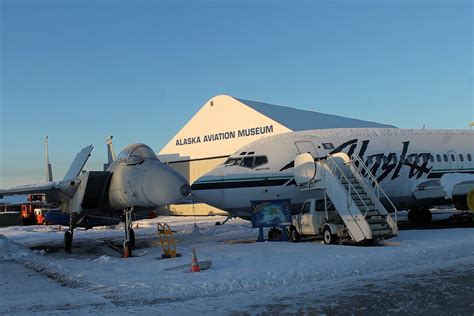
Inside the museum and across its open-air tarmac, aviation heritage took physical form. Enthusiasts wandered among meticulously preserved aircraft, from weathered floatplanes to cargo haulers that once connected the state’s most remote settlements. At the center of attention stood a retired Alaska Airlines Boeing 737-200, a jet synonymous with overcoming geographical extremes.
This particular model was instrumental in revolutionizing travel across the state. With the ability to land on gravel strips, it made air service possible in places where paved runways were a fantasy. The jet now sits as a monument to aviation ingenuity, its fuselage flanked by interpretive displays and photo exhibits that chart its journeys across the state’s mountainous terrain and frozen coastlines.
For attendees, the experience was tactile and interactive. Aircraft were open for boarding, offering access to cockpits and cargo bays. Volunteer historians and former pilots shared firsthand accounts, from hair-raising landings on icy lakes to bush deliveries in blizzard conditions. These intimate stories added an emotional weight to the gleaming aluminum bodies on display.
A Festival Fueled by Community Spirit
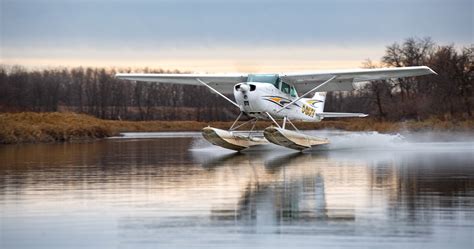
The Fly By Festival extended far beyond aviation—it was a cultural convergence, drawing families, tourists, aviation professionals, and local legends alike. Children clutched aviation-themed coloring books and toy airplanes while parents indulged in classic Alaskan fare like reindeer sausages and locally smoked salmon from nearby food trucks. Live music poured through loudspeakers as guests lounged at picnic tables overlooking the water, where floatplanes landed and taxied like waterfowl returning to roost.
But it wasn’t just entertainment. The museum’s commitment to education and outreach was evident at every turn. Tent stations featured STEM-based activities for children, including flight simulators, DIY glider construction, and interactive lessons on aerodynamics. The hands-on exhibits inspired awe and curiosity, planting seeds of ambition in many young minds.
Museum docents and professional aviators hosted informal discussions on Alaskan aviation careers, the evolution of air safety, and the future of drone integration in remote logistics. These sessions didn’t preach—they conversed, making the intimidating world of flight approachable to the next generation.
Fundraising for the Future of Flight
Behind the exhilaration lay a deeper purpose: sustainability. The Fly By Festival is one of the Alaska Aviation Museum’s most crucial annual fundraisers, supporting everything from exhibit maintenance to educational programming and historical preservation. Proceeds from ticket sales, donations, and merchandise go directly toward the museum’s operations and its ongoing restoration efforts.
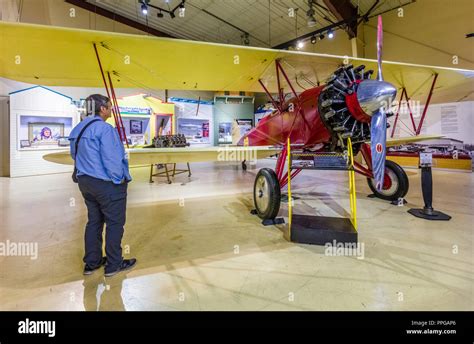
Several aircraft restoration projects are currently underway, each requiring painstaking labor and precise funding. From sourcing era-specific parts to rebuilding corroded fuselage frames, the work is intense. These aircraft are not merely museum pieces—they’re living archives, embodying the stories of pilots who defied odds and machines that redefined what was possible in the Alaskan sky.
One such project includes the meticulous refurbishment of a Grumman Goose amphibious aircraft, once used to ferry people and mail across Southeast Alaska. Once complete, it will serve not only as a visual centerpiece but as a mobile classroom, making museum-quality aviation education accessible to rural communities across the state.
A Continuum of Legacy and Innovation
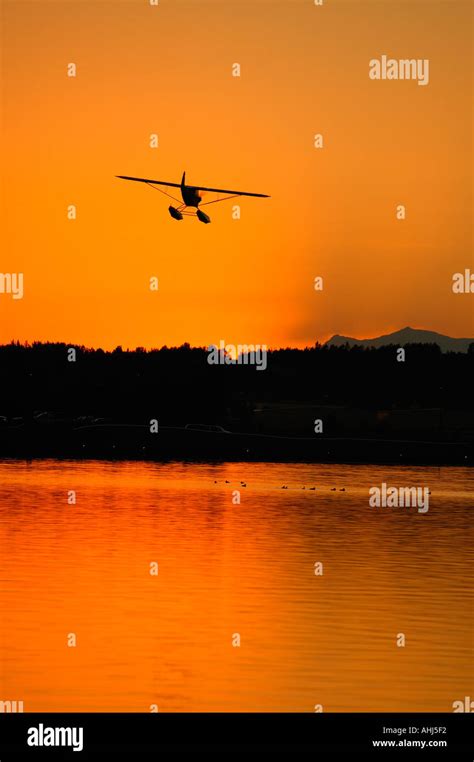
As golden evening light painted the tarmac and the final flyover sent a ripple of applause across Lake Hood, the atmosphere was not one of farewell, but renewed momentum. Plans for next year’s Fly By Festival are already in motion, with aspirations to include international vintage aircraft, expanded STEM activities, and enhanced accessibility for underserved groups.
In a world increasingly disconnected from its mechanical past, Alaska stands out as a place where aviation still matters, not just economically or geographically, but spiritually. The skies are not a barrier—they are a lifeline. Events like this underscore that reality, not in abstract terms but in the literal vibrations of wings overhead, the smell of oil and old leather in restored cabins, and the faces of children staring skyward with dreams ignited.
In honoring the enduring bond between Alaskans and the air, the Alaska Aviation Museum doesn’t merely recount history—it keeps it aloft. The Fly By Festival is a clarion call that the legacy of flight, forged in grit and shaped by ice, still has many miles left to travel.