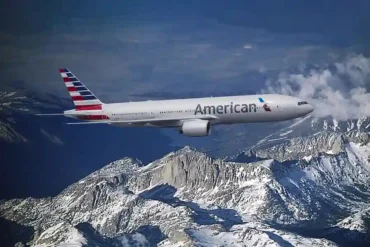
For the first time in 17 years, American Airlines is bringing back nonstop flights between Charlotte Douglas International Airport (CLT) and Eagle County Regional Airport (EGE), marking a bold holiday-season play that will reshape how skiers access Colorado’s legendary slopes. Beginning December 18, 2025, and running through January 5, 2026, daily Airbus A319 services will link North Carolina’s banking hub directly to Vail and Beaver Creek, turbocharging the state’s winter tourism economy and ratcheting up competition with United, Delta, and Alaska Airlines.
The reinstatement of CLT–EGE service represents more than just another seasonal route: it’s a strategic maneuver designed to capture high‑yield leisure travelers who have grown accustomed to paying premium fares for convenience and speed. With round‑trip tickets averaging $1,088 as of March 2025 and nine passengers per day already flying the route via connections, American is seizing a moment of pent‑up demand that has only grown since US Airways abandoned the market in March 2008. By restoring a direct link, the carrier positions itself to convert indirect traffic—once forced through Denver or Salt Lake City—into loyal customers drawn by a seamless journey.
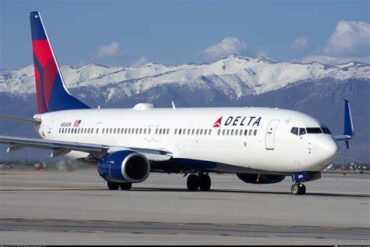
Meanwhile, rival carriers are sharpening their seasonal networks to defend market share. United Airlines will launch weekly Washington Dulles (IAD)–EGE flights starting December 20, complemented by services from Chicago O’Hare, Houston Intercontinental, Los Angeles, Newark, and San Francisco. Delta Air Lines is adding daily Minneapolis/St. Paul (MSP) rotations from December 22 through January 5—then weekly until March—while reintroducing New York JFK alongside existing Atlanta and Los Angeles flights, deploying Boeing 757s and Embraer E-175s to balance capacity with demand. Alaska Airlines, eyeing West Coast skiers, will operate thrice‑weekly flights from Seattle/Tacoma (SEA) and San Diego (SAN).
American’s Bold Holiday Comeback
When US Airways discontinued CLT–EGE in 2008, Charlotte’s direct pipeline to the Rockies went silent, forcing travelers to endure layovers or snowy drives from Denver. Seventeen years later, American’s decision to revive the route underscores its confidence in high‑margin, experience‑driven travel. Charlotte serves as the carrier’s Southeast fortress, commanding 78% market share, while Eagle County represents one of its fastest‑growing seasonal destinations, with American still holding 54% share despite its absence. The relaunch not only fills a service gap but supercharges CLT’s role as a global connector: more than 350 international cities now gain one‑stop access to EGE, from London to São Paulo.
An Avalanche of Demand
Data from early 2025 reveal a market primed for nonstop service. With an average of nine passengers per day traveling each way via indirect connections, revenue has soared even before the direct link returns. The $1,088 average round‑trip fare reflects powerful buying power among affluent leisure flyers who value time savings and comfort over cost. This willingness to pay transforms Eagle County into one of the most lucrative seasonal routes in American’s network—one that can generate outsized yields during the peak holiday window.
Strategic Moves in a Competitive Sky
Rather than simply reinstating a dormant service, American is drawing clear competitive lines:
- American Airlines: Reconnects CLT with EGE using Airbus A319s, consolidating dominance at both hub and gateway.
- United Airlines: Introduces weekly IAD–EGE flights December 20 and seasonal rotations from ORD, IAH, LAX, EWR, and SFO to shield its 19% Eagle County share.
- Delta Air Lines: Targets Midwest skiers via daily MSP service December 22–January 5 (then weekly through March), and revives JFK–EGE, optimizing aircraft choice (B 757, E‑175) to align capacity with demand.
- Alaska Airlines: Carves a niche for West Coast snow seekers with three‑weekly SEA and SAN flights, leveraging its loyal Pacific network.
Each airline’s moves reflect a shared recognition: direct access to premium ski destinations commands unmatched yields, and securing early loyalty is essential in a time of high operational fixed costs and unpredictable weather.
A Snowy Gateway Gets Busier
Eagle County Regional Airport, once a quiet alpine airstrip, now hums with activity as carriers compete for the high‑spending ski demographic. The airport’s short runway, high altitude, and proximity to Vail and Beaver Creek make it a coveted asset—one that demands precise fleet selection and robust ground handling to maintain on‑time performance in winter storms. Airlines are fine‑tuning schedules to balance aircraft rotations, crew rest requirements, and peak arrival windows that align with ski resort check‑in times and shuttle departures.
Why Vail’s Airport Is Hot
The pandemic altered travel patterns: business traffic remains subdued, but affluent consumers are splurging on once‑in‑a‑lifetime experiences. Ski holidays, with their combination of adventure, luxury lodging, and après‑ski culture, top the list. Direct flights eliminate the risk and fatigue of connecting through Denver, offering a premium end‑to‑end journey. Airlines respond by bundling seat assignments, priority boarding, and upgraded cabin options to cater to guests who view travel as part of the overall resort experience.
Economic Ripple Effects in the Rockies
Every additional round‑trip flight translates into millions of dollars flowing through local economies. Hotels anticipate near‑100% occupancy during the holiday window; fine-dining establishments see reservations spike weeks in advance; ski shops stock up on high‑end gear, and car rental counters extend operating hours. Tax revenues from lodging and sales surge, funding infrastructure and winter maintenance. For Vail and Beaver Creek communities—where tourism dollars underpin year‑round employment—direct air links represent not just convenience, but economic lifelines.
A Competitive Winter Sky Awaits
As load factors and yields come in, each airline will analyze performance metrics down to the route level. Strong results may justify extending the CLT–EGE run into February or March, adding frequencies, or even testing summer charters for hikers and bikers. Conversely, soft loads could prompt schedule adjustments or fleet swaps. United and Delta, monitoring American’s metrics, stand ready to counterpunch with additional routes or capacity changes—an airline chess match played against a backdrop of snowcapped peaks.
The Bottom Line
For travelers, the return of nonstop CLT–EGE service ends dependence on Denver connections and delivers faster, smoother access to world‑class ski terrain. For airlines, it’s a battle for one of the industry’s most lucrative seasonal markets. And for Colorado, it promises a winter tourism boom of unprecedented scale, driven by direct air access and rising global demand for premium leisure experiences.
A Gateway to Global Ski Dreams
American’s extensive network at CLT now funnels skiers from every corner of the globe into EGE with just one connection. London bankers, São Paulo executives, and Miami families can bypass multiple stops and arrive ready to hit the slopes. This seamless connectivity transforms ski trips from complex itineraries into effortless adventures, unlocking new international segments for Colorado’s winter resorts.
The Aircraft: A Smart Fit for Rocky Mountain Skies
The Airbus A319, chosen for its blend of capacity, range, and high‑altitude performance, is tailor‑made for EGE’s runway constraints. Smaller and more fuel‑efficient than the Boeing 757s once flown on the route, the A319 can fill premium cabins without risking empty seats. Its two‑class configuration ensures that travelers willing to pay extra for legroom and priority services enjoy the level of comfort they expect on a luxury ski getaway.
Broader Trends & Outlook
American’s CLT–EGE relaunch epitomizes a broader industry pivot toward premium leisure. As corporate bookings lag behind pre‑pandemic levels, carriers chase high‑yield tourists with seasonal, targeted routes that minimize risk and maximize profitability. Success in Colorado this winter could spur further expansions into destinations like Jackson Hole, Aspen, or Lake Tahoe—and even inspire summer schedules that tap into mountain biking, rafting, and hiking markets.
In an era defined by shifting travel dynamics, one thing remains constant: convenience commands a premium. By harnessing its hub strength and responding to clear market signals, American Airlines has staked a claim on Vail’s winter skies—and set the stage for a new chapter in Colorado’s ski travel revolution.