Bojo River, nestled in the heart of Cebu, Philippines, stands as a shining example of how sustainable tourism can harmoniously blend with community welfare and environmental conservation. This picturesque river, once predominantly known for its fishing activities, has undergone a remarkable transformation, emerging as a model for community-based ecotourism. The journey began with the Bojo Aloguinsan Ecotourism Association (BAETAS), which recognized the pressing need to transition from traditional fishing practices to a more sustainable model that benefits both the environment and the local economy.
In 2009, BAETAS was formed, comprising local residents, including fishermen who had witnessed firsthand the ecological strain caused by overfishing. They sought to create an initiative that would not only preserve the river’s natural beauty but also provide economic opportunities for the community. The result is the Bojo River Cruise, which has gained international acclaim for its commitment to ecological tourism, celebrated at the East Asia Tourism Forum 2025 held in Cebu City.
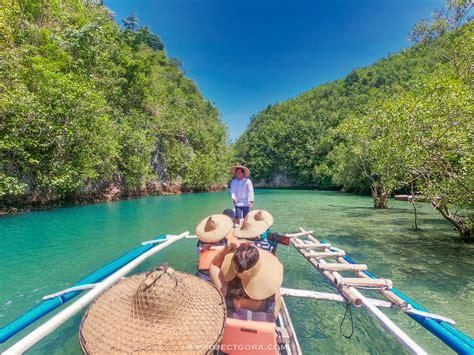
The Bojo River Cruise offers visitors a unique chance to explore the breathtaking landscapes of Cebu while learning about the vital importance of environmental conservation. As tourists glide through the tranquil waters, they are immersed in the rich cultural traditions of the local community. This integration of cultural education with ecotourism ensures that visitors leave with a deeper appreciation of both nature and the heritage of the region.
Key Features of Bojo River’s Ecotourism Model
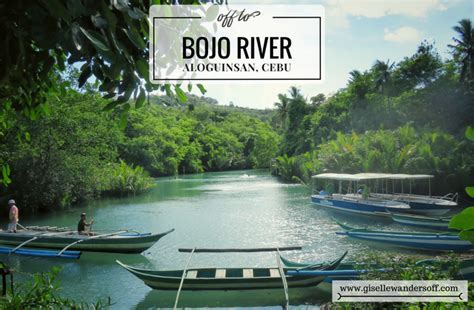
A significant aspect of the Bojo River ecotourism model is its unwavering commitment to sustainable practices. The tours are conducted on non-motorized boats, minimizing water pollution and preserving the serene atmosphere of the river. By limiting the number of daily visitors to just 70 people, the community ensures that the river’s ecosystems remain unspoiled by excessive tourism. This restriction not only protects the environment but also enhances the visitor experience, fostering a more intimate connection with nature.
Community-led clean-up drives have become integral to the tourism experience, allowing residents and tourists to collaborate in maintaining the river’s pristine condition. These initiatives highlight the community’s dedication to preserving the environment, while educational programs focusing on mangrove conservation and biodiversity are woven into the cruise experience, enriching the knowledge base of every visitor.
Cultural Education and Local Involvement
The success of Bojo River as a model for community-based tourism is equally attributed to its emphasis on cultural education. Throughout the cruise, visitors are introduced to local traditions, such as the production of “puso” (a type of rice wrapped in palm leaves) and folk song performances. This cultural immersion offers tourists a unique and authentic experience, allowing them to connect with the local community in ways that traditional sightseeing cannot replicate.
Moreover, the community’s active participation in tourism ensures that economic benefits remain within the local area. Families who once depended solely on fishing now supplement their income through various tourism-related activities, from guiding river tours to crafting handicrafts for sale. This shift has significantly improved the standard of living for many residents, with profits reinvested into conservation efforts and community development.
International Recognition at the East Asia Tourism Forum
The East Asia Tourism Forum (EATOF), held in July 2025, marked a pivotal moment for Bojo River. Delegates from multiple countries convened to discuss strategies for promoting sustainable tourism in the region. During this forum, Bojo River was recognized as a model for community-based ecotourism, a testament to the hard work of BAETAS and the community’s commitment to environmental preservation and socio-economic enhancement.
The forum participants praised Bojo River for its balanced approach to tourism, prioritizing both environmental sustainability and cultural preservation. This recognition emphasized the importance of supporting grassroots-led initiatives that empower local communities in their tourism development efforts. Collaborative discussions at the forum focused on how local governments and organizations can work together to promote similar ecotourism models across the East Asia region.
Bojo River: A Model for Other Regions
The success story of Bojo River serves as a beacon of hope for other regions aspiring to develop sustainable tourism practices that benefit both local communities and the environment. Provinces and municipalities across the Philippines and beyond can draw inspiration from the Bojo River experience, utilizing it as a blueprint for integrating environmental conservation with local development.
The forum also sparked renewed commitments to support community-driven tourism development throughout East Asia. Enhanced regional cooperation, knowledge exchange, and shared frameworks are being established to encourage similar initiatives in other parts of the region. Training programs, mentorship opportunities, and collaborative projects are currently being planned to help other communities adopt ecotourism practices that can improve environmental stewardship and generate economic opportunities.
The Visitor Experience: What to Expect
A visit to Bojo River is more than just a scenic cruise; it promises a meaningful, immersive experience that connects visitors with both nature and local culture. The river cruise lasts approximately one hour, taking guests through lush mangrove forests where they can observe diverse wildlife, including migratory birds, all while enjoying the peaceful surroundings. Guided tours educate tourists about the crucial role of mangrove ecosystems in preventing coastal erosion and supporting biodiversity.
The experience is further enriched by opportunities to learn traditional Filipino arts, such as weaving and music performances. Tourists can also savor authentic Cebuano dishes prepared with locally sourced ingredients, adding a culinary dimension to their visit.
Conclusion
The recognition of Bojo River at the East Asia Tourism Forum exemplifies the potential benefits of sustainable tourism for both the environment and local communities. By intertwining conservation efforts with cultural education and creating job opportunities for residents, Aloguinsan has set a new benchmark for sustainable tourism in the Philippines. As other regions and countries seek to replicate this success, Bojo River will undoubtedly continue to serve as a guiding light in the global movement toward responsible community-based tourism.