A canard is a horizontal surface mounted on the fuselage, positioned in front of the main wing. Its purpose is to enhance longitudinal stability and control. Depending on its design, it can be fixed, movable, or have variable geometry, and may include control surfaces. Canards can either replace or complement a traditional horizontal stabilizer, as seen in aircraft like the Beech Starship and the Piaggio Avanti.
There are several reasons for incorporating a canard into an aircraft’s design. It can generate lift, assist with pitch control, improve longitudinal stability, and modify airflow over the main wing. Canard configurations mainly fall into two categories: lifting-canards and control-canards.
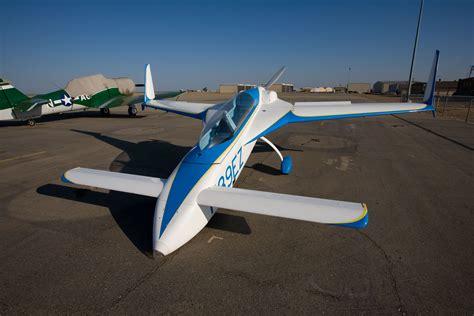
A lifting-canard, such as the one on the Rutan Long-EZ, shares the aircraft’s weight between the wing and itself. It produces positive lift, in contrast to a conventional horizontal stabilizer that generates negative lift. This capability suggests that a smaller main wing could be designed. However, since the canard must stall before the main wing for effective pitch stability and stall recovery, this often results in a larger main wing than what a traditional design would require.
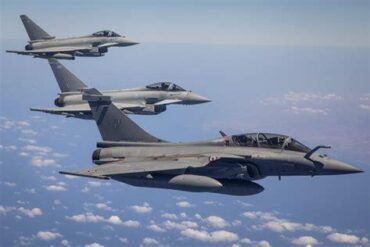
On the other hand, a control-canard, like the one found on the Eurofighter Typhoon, mainly carries the aircraft’s weight through the wing. Its primary role is to manage pitch control during maneuvers. Typically, a control-canard operates at a zero angle of attack. In some combat aircraft, control-canards intentionally destabilize the aircraft to enhance maneuverability. Here, electronic flight control systems leverage the canard’s pitch control function to create artificial stability.