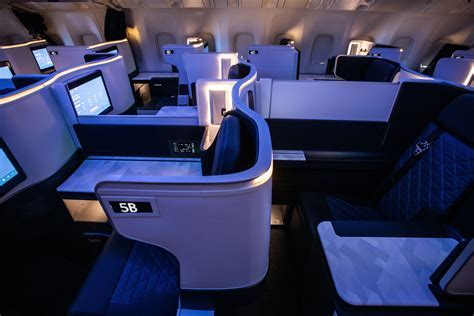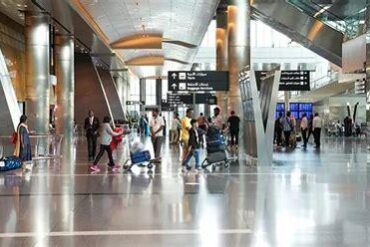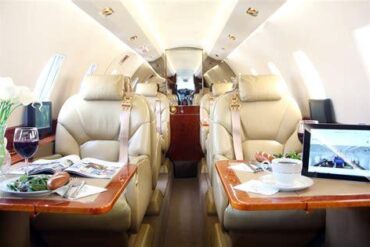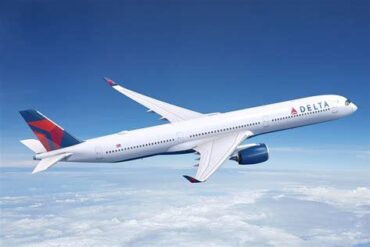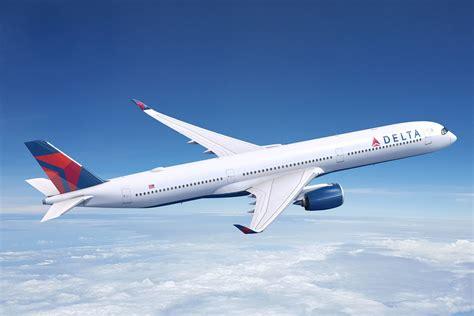
This summer, Delta Air Lines is rewriting the premium travel playbook by introducing an unprecedented level of convenience and luxury for its Delta One passengers. Through a sophisticated partnership with its private aviation subsidiary, Wheels Up, the U.S. carrier is enabling seamless connections to Europe’s most coveted yet notoriously hard-to-reach destinations. From transatlantic business class cabins to private charter jets, this new offering bridges the gap between commercial comfort and private aviation exclusivity.
Delta is aiming squarely at the top echelon of global travelers — those who don’t just fly for luxury but expect it from tarmac to terrace. In doing so, the airline is moving decisively to consolidate its position at the pinnacle of premium transatlantic travel, while simultaneously giving Wheels Up a competitive edge in Europe’s exclusive charter segment.
The Strategic Leap: Connecting SkyMiles to Skies Unreachable
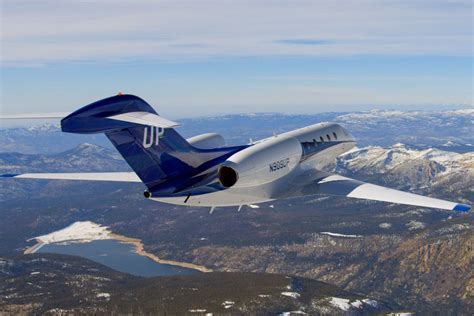
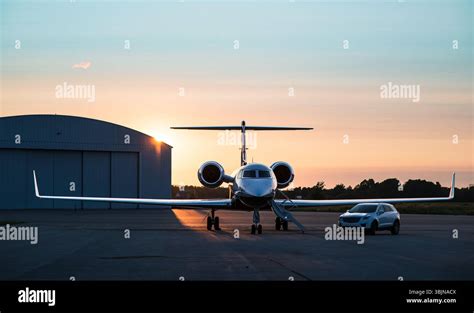
Travelers flying Delta One into international hubs such as Athens, Rome, or Nice can now seamlessly transition to onward chartered private flights bound for destinations like Mykonos, Capri, Ibiza, or St. Tropez — spots that typically require ferries, complex regional hops, or time-consuming connections.
This innovation is not just about convenience; it’s about curating an entirely bespoke journey. With Wheels Up’s access to over 7,000 private aircraft and helicopters globally, Delta One passengers can now bypass the crowds, delays, and logistical headaches associated with conventional travel to these elite enclaves. For affluent travelers, the partnership allows them to land closer to their final destination — sometimes within walking distance of a beach club or villa.
The move illustrates a growing understanding within Delta’s executive team of how their wealthiest customers prefer to travel. These are not leisure travelers who want to get away. These are global tastemakers who want to arrive in style.
More Than a Codeshare: Blending Commercial and Private Aviation
The brilliance of this strategy lies not just in route connectivity, but in its fusion of commercial aviation reliability with private aviation flexibility. Passengers booking these hybrid journeys no longer have to separately arrange for ground-to-air transitions or recheck baggage. From departure gate to private apron, the experience is designed to be seamless.
George Mattson, CEO of Wheels Up and a former Delta board member, captured the essence of the deal in a statement:
“Delta has a huge global network… But if you connect it now to Wheels Up, it’s every airport — it’s infinite.”
That “infinite” reach makes an enormous difference. While Delta’s traditional network includes major airports, Wheels Up opens the map to private airfields near places like Porto Cervo, Lake Como, or the Dalmatian Coast, which are otherwise inaccessible via large aircraft.
Carbon Consciousness With Premium Comfort
Another smart inclusion in this summer’s rollout is the optional purchase of Sustainable Aviation Fuel (SAF) for charter segments. While SAF usage remains nascent due to limited global availability, Delta’s decision to integrate sustainability into luxury offerings sends a strong message: even the world’s most elite flyers must think green.
By giving passengers the option to offset emissions for their private legs, Delta positions itself as a forward-thinking luxury airline, responding to the sustainability expectations of high-net-worth millennials and Gen Z travelers, who increasingly demand luxury that doesn’t compromise ethics.
Loyalty Programs: The Crown Jewel of Integration
The loyalty integration between SkyMiles and Wheels Up’s membership structure is another crucial pillar of this initiative. Members who spend more than $100,000 in a calendar year with Wheels Up now receive Delta Diamond Medallion Status — a top-tier reward that includes complimentary upgrades, priority boarding, and exclusive lounge access.
Meanwhile, SkyMiles Diamond and Platinum Medallion members can now select Wheels Up flight credits as part of their annual Choice Benefits, an enticing crossover that blurs the lines between business and leisure aviation.
Wheels Up is also incentivizing loyalty through bonuses like:
- A 5% flight credit on new deposits through the end of the promotional window
- A one-million SkyMiles bonus, further boosting its appeal to those embedded within Delta’s loyalty ecosystem
The fusion of these two programs delivers a dual-tiered value proposition: elite flyers are rewarded both in the air and on the ground, whether flying scheduled or charter.
A Calculated Move Amid Rising Competition
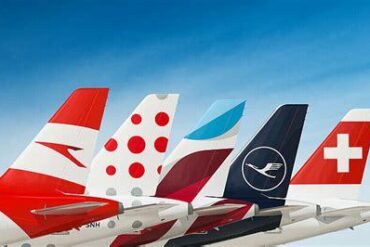
Delta’s latest maneuver comes at a time when European carriers such as Air France, SWISS, and Lufthansa continue to offer First Class cabins on key international routes — a product Delta no longer provides. With Delta One being the airline’s most premium commercial cabin, this charter partnership becomes a tactical move to compete with true first-class experiences without reviving first-class cabins.
Rather than add heavier seats or a new class of service, Delta is expanding the brand of Delta One by attaching it to the possibility of private jet service. The result is a product that arguably exceeds what most first-class cabins can deliver: full customization, exclusive terminals, and a complete escape from commercial travel friction.
This approach also plays to current market strengths. Post-pandemic travelers — particularly high-end customers — increasingly prefer private travel for safety, speed, and seclusion. Delta’s plan isn’t just responding to that; it’s leading the evolution.
What This Means for Wheels Up — And Why It Matters
While this rollout presents clear gains for Delta, it may be a lifeline for Wheels Up, which has faced operational and financial headwinds in recent years. By aligning more closely with Delta, Wheels Up gains an unprecedented marketing and customer access advantage.
Where previously Wheels Up had to compete with other charter services like NetJets or XO for visibility, it now benefits from the embedded trust, reach, and infrastructure of Delta’s brand. Simply put, private jet flyers might now come from an entirely different pipeline: the elite customers already seated in Delta One.
It’s a win-win. Delta secures a critical edge in luxury travel. Wheels Up gets a boost in credibility and booking potential.
Serving the Ultra-Wealthy Summer Traveler
Destinations like St. Tropez, Mykonos, and Ibiza aren’t just picturesque retreats; they are status symbols. The clientele heading to these places every summer aren’t just vacationers — they’re investors, celebrities, CEOs, and global tastemakers.
These individuals aren’t necessarily looking to save time. They are looking to buy time. And by flying Delta One into Nice and transferring directly to a charter bound for La Môle Airport near St. Tropez, they do exactly that.
For Delta, this is about becoming the airline that understands the modern luxury traveler. Not just by offering champagne and lie-flat seats, but by delivering time, privacy, exclusivity, and ease. These attributes are now the currency of elite travel — and Delta is finally trading in it.
A Broader Trend in Aviation’s Luxury Evolution
This partnership is more than a seasonal play; it signals a larger structural shift in how airlines approach premium service. The lines between commercial and private aviation are increasingly blurry — and Delta is among the first U.S. carriers to act on that convergence.
Other global carriers may follow suit, but for now, Delta has taken the lead. With private aviation growth projected to continue, particularly in Europe’s luxury corridors, connecting scheduled service with charter service may become a new benchmark of excellence for long-haul airlines.
Delta is betting that travelers don’t just want better seats — they want a better way to arrive. And this summer, that promise is taking flight.