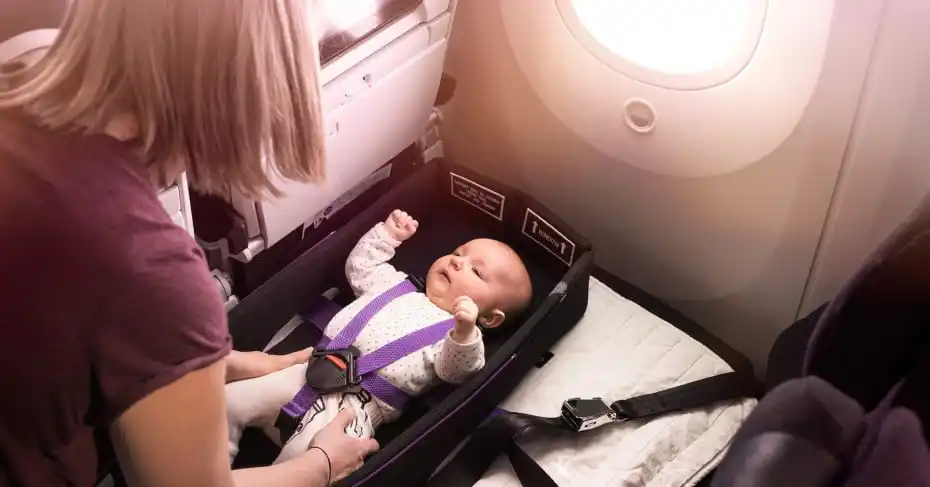
Flying with a baby or toddler can be overwhelming—but navigating Air New Zealand’s pram policy doesn’t have to be. Whether you’re a first-time flyer or seasoned traveler, understanding what’s allowed onboard, what your options are, and how other parents have managed similar situations can help you travel smarter and with less stress.
Most parents flying Air NZ with a pram are aiming for one thing: to bring their stroller as carry-on luggage. While this can be convenient, it’s not always straightforward. Let’s dive into the nitty-gritty of real-world experiences, official guidelines, and smart workarounds to help you make informed decisions before takeoff.
Air NZ Carry-On Baggage Rules: Where Your Pram Stands
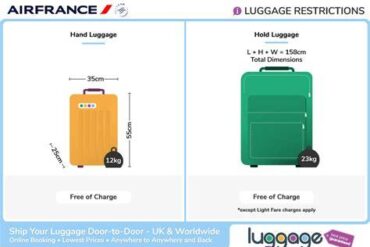
According to Air New Zealand’s official cabin baggage policy, the standard size and weight limits for carry-on luggage are:
- Maximum dimensions: 55cm x 40cm x 23cm
- Maximum weight: 7kg per item
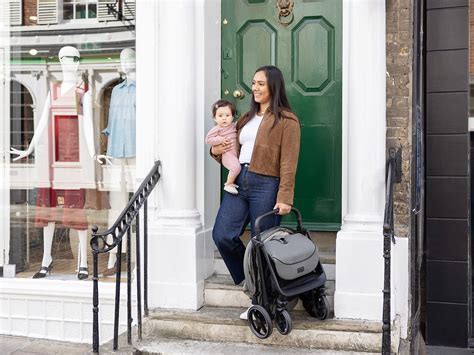
Many travel strollers—including the popular Bugaboo Butterfly—come close to these limits. However, the Butterfly measures 54 x 45 x 23cm and weighs 7.3kg, slightly exceeding both the width and weight restrictions. While on paper that’s a clear “no,” the actual enforcement may vary based on aircraft type, staff discretion, and how full the flight is.
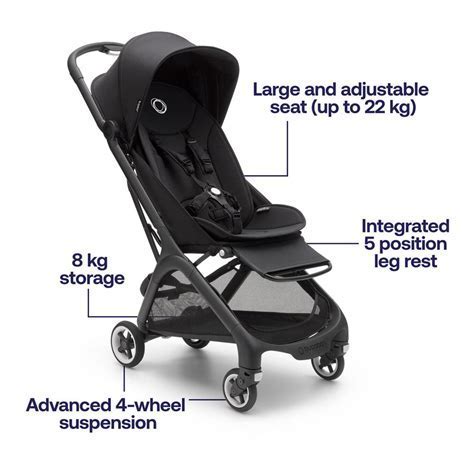
Does the Bugaboo Butterfly Fit as Carry-On? Parent Insights
Numerous parents have shared anecdotal experiences suggesting flexibility in Air NZ’s enforcement. One user mentioned flying with a stroller that “met the requirements” but ultimately didn’t fit in the overhead compartment. Crew responded by placing it in a special bag and storing it in the cargo hold—at no extra cost. To avoid mid-aisle surprises, they advised mentioning the situation at check-in next time, which led to a hassle-free check-in-to-cargo process.
Another traveler successfully flew with the Babyzen Yoyo, a model known for being slimmer than the Bugaboo. Its width is just 44cm—a full centimeter narrower than Air NZ’s carry-on maximum—making it more overhead-bin friendly.
Yet, not everyone has been so lucky. A vocal forum user emphasized that the Bugaboo Butterfly doesn’t technically meet the requirements and was met with less sympathy from some commenters. That said, parents repeatedly highlight that Air NZ staff often accommodate parents traveling with children, offering practical solutions at the gate.
Gate Check-In: The Unsung Hero Option
One of the most overlooked but useful services Air NZ offers is the ability to gate check your stroller. Here’s how it works:
- Arrive at the gate with your pram.
- Speak with the gate agent about tagging it for hold storage.
- Leave it at the aircraft door before boarding.
- Retrieve it at the same location upon arrival.
This process bypasses the need to dismantle or stow the pram yourself and keeps your hands free during boarding. It’s particularly valuable for international flights or when dealing with tight overhead bin space.
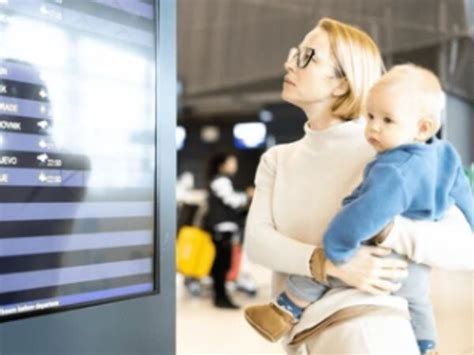
The Free Checked Baby Gear Allowance
If you’re traveling with a child under two years old, Air NZ allows two pieces of baby equipment for free. This usually includes:
- 1 pram/stroller
- 1 car seat or portacot
This policy is per infant—not per adult—which can limit options for families carrying all three (stroller, portacot, and car seat). Some clever travelers have worked around this by splitting items between two adults, each checking one baby item under separate bookings. However, Air NZ customer service should be contacted in advance to verify if this workaround applies to your flight.
Several travelers noted that while prams are free to check in, you cannot buy additional baby gear allowance for specific routes, such as domestic flights within New Zealand or some short-haul international segments. This makes the carry-on option or gate check especially valuable for families tight on baby gear allowance.
Risks of Overhead Bin Storage: What to Consider
Even if your stroller technically fits carry-on criteria, space limitations onboard can render it useless unless you’re among the first to board. Here are a few scenarios where bringing your pram as carry-on could backfire:
- Overhead bins already filled by other passengers
- Staff prioritizing other items over bulky strollers
- Smaller aircraft with non-standard bin sizes
In such cases, gate agents may reroute your stroller to cargo last-minute. This reinforces the importance of pre-boarding communication with gate staff. Be assertive but polite, and always have a backup plan in case your carry-on strategy fails.
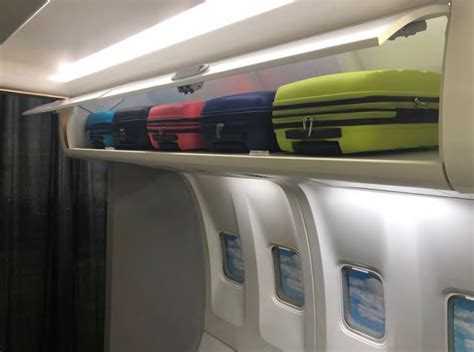
Aircraft Types and Their Impact on Storage
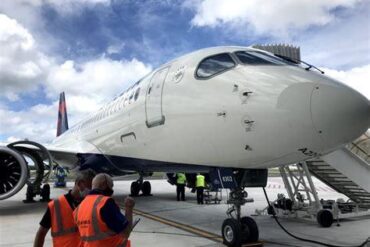
Air NZ operates a mixed fleet ranging from ATR72s and A320s on domestic routes to larger Boeing 777s and 787 Dreamliners on long-haul flights. Overhead bin capacity varies dramatically:
- ATR72: Narrow, low bins; pram as carry-on is nearly impossible.
- A320: Decent space but fills quickly.
- Boeing 787/777: More forgiving bin space; better chance for overhead storage.
For domestic routes or regional hops, prepare to gate-check or fully check-in your stroller. On long-haul international flights, chances are better if you board early and communicate clearly.
Managing Multiple Baby Items: What If You Have More Than Two?
Air NZ’s policy explicitly states that only two baby items are allowed per infant, which causes issues for parents traveling with a pram, car seat, and portacot. Since no extra baby baggage can be purchased, families often find themselves in a logistical pinch.
Your options:
- Split items between multiple adults on the booking.
- Gate-check the pram while checking in the car seat and portacot.
- Use compact, multi-function gear—such as car seat carriers that double as prams—to reduce your item count.
If your flight is booked with baggage constraints, contact Air NZ support in advance. Some parents reported favorable responses and minor policy flexing when traveling with infants.
Tips to Fly Smarter with a Pram on Air NZ
To maximize your chances of a smooth boarding and storage process:
- Measure your pram carefully and compare it with Air NZ’s limits.
- Weigh it on a home scale to check against the 7kg limit.
- Arrive early and discuss your pram with check-in staff.
- Have your pram in a travel bag to protect it if it’s rerouted to cargo.
- Label it with your name and contact info in case of mishandling.
Conclusion: Should You Risk Carrying On Your Pram?
If you’re flying Air New Zealand with a Bugaboo Butterfly or similar travel stroller, the answer depends on a few key factors: your stroller’s exact measurements, the type of aircraft, how full your flight is, and how proactive you are at the gate. While technically the Butterfly exceeds both the size and weight limits, many parents have succeeded in bringing it onboard—or at least gate-checking it without issue.
However, given that space is limited and policies can be enforced more strictly on busy flights, the safest path may be to assume you’ll gate-check your stroller and prepare accordingly. Be flexible, communicate early, and use Air NZ’s reasonable baby gear policy to your advantage.
Your pram may not always make it into the cabin, but with the right strategy, it won’t make your journey any harder than it has to be.