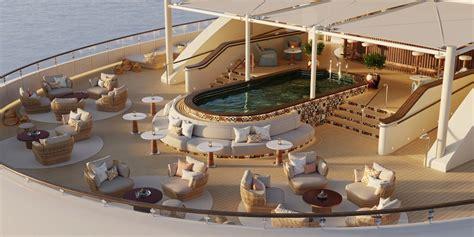
The arrival of Four Seasons Yachts marks a bold and calculated shift in the world of ultra-luxury travel, blending the brand’s legendary hospitality with the freedom and intimacy of private yachting. This is not a traditional cruise experience dressed in luxury branding—it is a deliberate reimagining of what it means to travel by sea, designed for those who might have never considered cruising in the first place.
From the very first sailing, the concept has positioned itself at the intersection of bespoke hotel living and curated maritime exploration, targeting travelers who value privacy, space, and refined experiences over mass-market entertainment. With just 95 all-suite accommodations, expansive onboard living areas, and a nearly one-to-one staff-to-guest ratio, the experience feels closer to a floating private estate than a cruise ship.
The ambition behind this venture is unmistakable. Every detail—from ship design to dining philosophy—signals a desire to compete not just with luxury cruise lines, but with private yacht charters and the world’s finest resorts.
A New Standard at Sea: What Makes Four Seasons Yachts Different
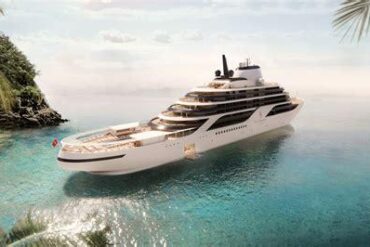
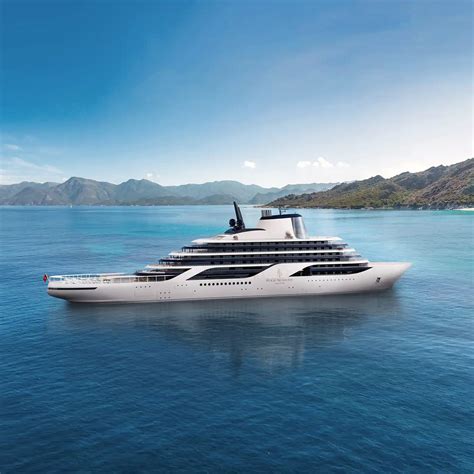
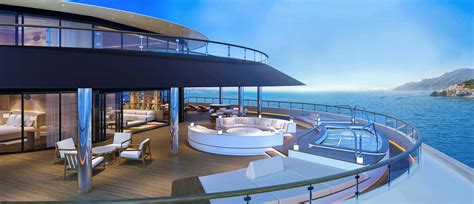
The physical presence of the yacht immediately sets the tone. At 207 meters in length with 14 decks, it is neither oversized nor constrained—it strikes a deliberate balance between grandeur and intimacy. What truly defines the experience, however, is not scale, but space per guest, which exceeds industry norms by a significant margin.
Unlike traditional cruise ships that maximize capacity, this vessel intentionally limits it. With only 95 suites, guests benefit from nearly 50% more living space compared to other luxury ships. This translates into uncrowded decks, serene public spaces, and an atmosphere that feels effortlessly exclusive.
The yacht is the result of collaboration between industry heavyweights: Fincantieri handles shipbuilding, Tillberg of Sweden shapes the interiors, and creative direction comes from Prosper Assouline. The result is a vessel that feels architecturally coherent—every space flows with purpose, avoiding the fragmented design often seen at sea.
One standout feature is the transverse marina, a rare design element that allows direct access to the ocean. Guests can step from the yacht into a curated playground of water activities typically reserved for private vessels, reinforcing the sense that this is not just travel—it’s ownership without responsibility.
Suite-Only Living: Redefining Space and Privacy
Accommodation aboard Four Seasons Yachts is not simply comfortable—it is transformational in scale and design. Every suite category is crafted to mirror the feeling of a high-end residence rather than a temporary cabin.
The entry-level Seaview Suites, starting at over 500 square feet, already exceed what many luxury hotels offer in urban settings. With private terraces, marble bathrooms, and carefully designed sleeping areas, they establish a baseline that feels anything but entry-level.
Moving up, the Superior Seaview and Ocean Suites introduce expansive living areas, floor-to-ceiling windows, and layouts that encourage both relaxation and entertaining. These spaces blur the boundary between indoor and outdoor living, allowing the sea to become part of the suite itself.
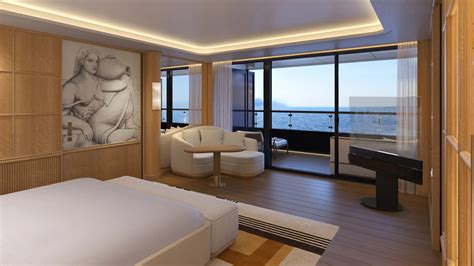
At the top of the spectrum lies the Funnel Suite, a category that defies conventional expectations. Spanning nearly 10,000 square feet across four levels, it includes a private elevator, plunge pool, outdoor gym, and dedicated service areas. This is not merely accommodation—it is a floating penthouse rivaling elite real estate in Monaco or Manhattan.
What becomes clear across all categories is a consistent philosophy: space is luxury, and Four Seasons is willing to sacrifice capacity to deliver it.
Dining at Sea: A Curated Culinary Journey
Dining aboard Four Seasons Yachts reflects a philosophy that may surprise seasoned cruisers. Instead of offering an all-inclusive culinary model, the experience is deliberately à la carte, aligning more closely with luxury hotels than cruise traditions.
This decision reshapes the onboard atmosphere. Meals are not treated as volume-driven events but as intentional, destination-inspired experiences.
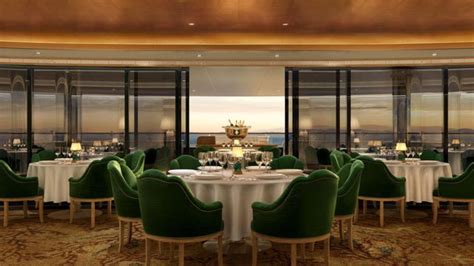
The yacht features 11 distinct dining and lounge venues, each with its own identity:
- Terrasse delivers Mediterranean-inspired all-day dining with an emphasis on freshness and coastal flavors
- Miuna offers a refined Japanese omakase experience, where precision and artistry take center stage
- Sedna serves as the flagship fine dining venue, elevating ingredients into culinary storytelling
- Champagne & Caviar transforms evenings into indulgent rituals with panoramic ocean views
- Bar Piscine and Marina Bar provide relaxed, sun-soaked dining moments
The absence of bundled dining may initially feel counterintuitive, especially at this price point. Yet it introduces a subtle but meaningful shift: freedom of choice. Guests are not paying for meals they may skip, especially when itineraries include destinations renowned for their culinary heritage.
It also creates a rhythm similar to land-based luxury travel—breakfast onboard, lunch in a seaside village, dinner back on the yacht. This fluidity enhances the sense of immersion rather than confining guests to a floating routine.
Understanding Pricing: What Does It Really Cost?
Four Seasons Yachts sits firmly at the top tier of the luxury travel market, yet its pricing structure contains nuances that challenge assumptions.
Rates begin at approximately $3,000 per suite per night, a figure that initially appears steep but becomes more complex when examined closely. Unlike most cruise lines, pricing is per suite rather than per person, allowing multiple guests to share the cost within occupancy limits.
This distinction can significantly alter perceived value, particularly for couples or small families.
At the extreme end, the Funnel Suite commands prices exceeding $200,000 per journey, positioning it alongside private yacht charters. However, it delivers a different kind of value—combining privacy with access to multiple dining venues, curated itineraries, and a full-service hospitality team.
What’s notable is that early expectations predicted even higher pricing across all categories. Instead, Four Seasons has opted for a hybrid approach, pairing premium accommodation costs with optional onboard spending.
What’s Included—and What’s Not
The inclusions model is where Four Seasons Yachts diverges most sharply from industry norms. Rather than embracing the all-inclusive structure common in luxury cruising, it adopts a selective inclusion strategy.
Included in the base fare:
- Daily breakfast
- Non-alcoholic beverages
- Light snacks throughout the day
- Gratuities
- All meals and drinks for children under 12
Not included:
- Lunch and dinner
- Alcoholic beverages
This approach reflects a broader philosophy: the yacht is an extension of the Four Seasons hotel experience, not a floating resort package.
There is a practical logic behind it. Many itineraries focus on destinations like the Mediterranean, where dining ashore is an essential part of the journey. Including all meals onboard would not only be redundant—it could diminish the cultural experience.
Still, this model introduces a more transactional dynamic, where guests interact with pricing throughout the journey. For some, this enhances flexibility; for others, it may feel less seamless than traditional luxury cruises.
How to Book Four Seasons Yachts the Smart Way
Booking a voyage is not simply a transactional process—it is an opportunity to enhance the overall experience through the right channels.
The most effective approach is through a Four Seasons Preferred Partner travel advisor. These advisors provide access to exclusive benefits, including shipboard credits that can offset onboard spending.
The booking structure itself is straightforward but requires planning:
- Suites can typically be held for 24 hours
- A 25% deposit secures the reservation
- Full payment is due 150 days before departure
This timeline encourages early commitment, particularly given the limited number of suites per sailing.
Working with an experienced advisor also simplifies decision-making, especially when comparing suite categories, itineraries, and seasonal variations.
Destinations and Itineraries: Where the Yacht Travels
Four Seasons Yachts operates on a seasonal migration pattern, aligning with the most desirable climates and cultural moments.
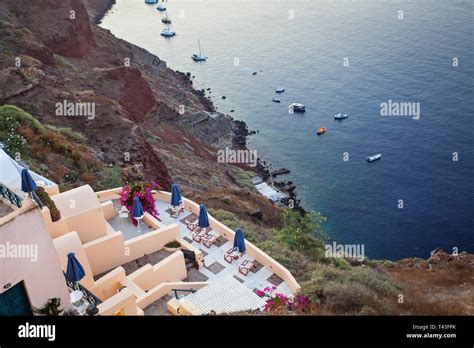
During the summer months, the yacht explores the Mediterranean, offering itineraries that weave through iconic destinations such as Santorini, Mykonos, Saint-Tropez, and the Adriatic coast. These journeys range from five to nine nights, with each route carefully curated to avoid repetition.
Rather than repeating identical weekly schedules, the itineraries are designed to interconnect, allowing guests to extend their سفر seamlessly while experiencing entirely new destinations.
In winter, the focus shifts to the Caribbean, where routes highlight destinations like St. Barths, Antigua, and the British Virgin Islands. These voyages emphasize relaxed island exploration, combining pristine beaches with understated luxury.
There are also longer crossings, such as transatlantic journeys, which appeal to travelers seeking a slower, more contemplative experience at sea.
The Experience: Who Is This Really For?
Four Seasons Yachts is not trying to appeal to everyone—and that is precisely its strength.
This is an experience tailored for travelers who:
- Prefer space over spectacle
- Value privacy over social density
- Appreciate design, service, and subtle luxury
It particularly resonates with those who typically choose luxury hotels or private villas but are curious about exploring multiple destinations without constant packing and logistics.
There is also a strategic ambition at play: redefining cruising as something modern, stylish, and culturally relevant. By removing traditional cruise elements—buffets, crowded entertainment, rigid schedules—the brand positions itself closer to a floating boutique resort.
Is It Worth It? A Clear-Eyed Perspective
The question of value depends entirely on expectations.
From a purely financial standpoint, Four Seasons Yachts competes with high-end resorts and private charters rather than conventional cruises. When evaluated within that context, the pricing becomes more understandable.
The true value lies in the combination of:
- Unmatched space per guest
- Architectural and design excellence
- Flexible, destination-driven dining
- Access to multiple locations without logistical friction
However, the à la carte model introduces a trade-off. Some travelers may miss the effortless inclusivity found on other luxury ships, where everything is bundled into a single price.
There is also the question of scale. For larger groups, a private yacht charter may offer greater freedom at a comparable cost. Yet it lacks the variety of dining, social spaces, and curated programming found here.
Ultimately, Four Seasons Yachts delivers a distinct interpretation of luxury—one that prioritizes autonomy, elegance, and intentionality over excess.
The Future of Luxury Cruising Starts Here
The launch of Four Seasons Yachts is more than a new product—it is a signal of where the industry is heading. As luxury travelers seek more personalized, less crowded experiences, the demand for intimate, design-driven voyages is only expected to grow.
With additional ships already planned, this concept is poised to evolve rapidly. Competitors like Ritz-Carlton, Aman, and Orient Express are entering the space, but Four Seasons brings a unique advantage: decades of trust built through consistent, high-end hospitality.
What makes this venture compelling is not just what it offers today, but what it represents—a shift toward experiential luxury that feels both exclusive and deeply human.
For travelers who have grown weary of predictable vacations, this is something different. Not louder. Not bigger. Just smarter, calmer, and undeniably refined.