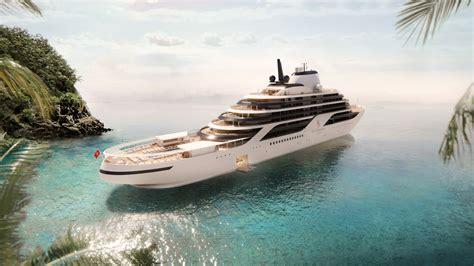
The global cruise industry has long relied on a familiar promise: pay one price and enjoy everything onboard. From buffet meals to specialty dining and unlimited drinks, the traditional cruise model thrives on the appeal of “all-inclusive” luxury. Yet the arrival of Four Seasons Yachts has introduced a strikingly different philosophy—one that deliberately challenges this long-standing formula.
Instead of replicating the standard cruise experience, Four Seasons has introduced a pricing structure that feels more like a luxury hotel than a floating resort. Guests book suites rather than individual berths, and meals beyond breakfast are not automatically included in the base fare. This unconventional approach has sparked debate among cruise enthusiasts and travel industry observers alike.
The first vessel from Four Seasons Yachts officially began sailing in March 2026, launching a new chapter in ultra-luxury cruising. With itineraries spanning the Mediterranean during summer and the Caribbean in winter, the brand aims to deliver a level of space, exclusivity, and personalization rarely seen at sea.
Rather than trying to appeal to traditional cruise travelers, Four Seasons appears to be targeting a different audience entirely—wealthy travelers who typically prefer luxury hotels, private yachts, and curated travel experiences over conventional cruises. Its pricing model reflects this shift in philosophy.
The concept raises an intriguing question: Is the all-inclusive cruise model truly the best approach for luxury travel, or has it simply become the industry norm? Four Seasons believes there is room for something different—and its pricing strategy is the clearest evidence of that belief.
The Arrival of Four Seasons Yachts in the Ultra-Luxury Cruise Market
The launch of Four Seasons Yachts represents one of the most ambitious expansions ever attempted by a luxury hospitality brand. Known worldwide for its five-star hotels and resorts, Four Seasons has spent decades building a reputation centered on personalized service, refined design, and high-end experiences. Entering the cruise sector was a natural extension of that identity.
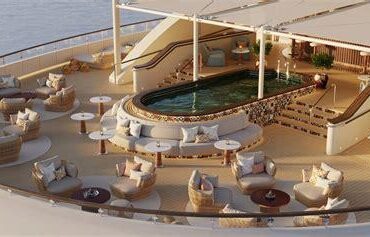
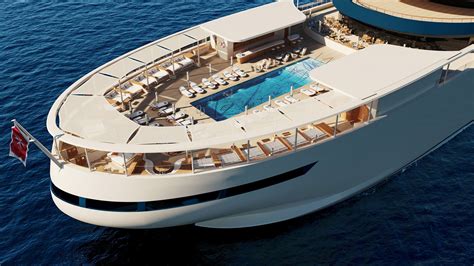
Rather than operating as a traditional cruise line, the venture functions as a licensed brand collaboration, where Four Seasons lends its name and service philosophy to a new generation of luxury yachts. The result is a vessel that looks less like a typical cruise ship and more like a floating boutique resort.
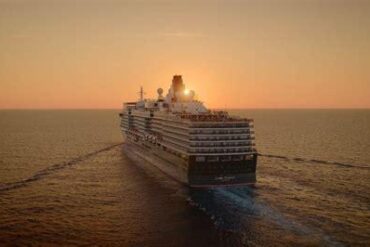
The scale alone signals a dramatic departure from industry norms. While massive cruise ships from companies such as Royal Caribbean or Carnival can carry thousands of passengers, the first Four Seasons yacht offers only 95 suites. This limited capacity allows the ship to prioritize space, privacy, and personalized service rather than high passenger volume.
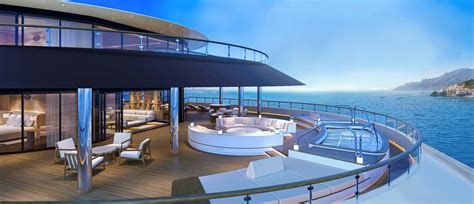
Each suite is designed to resemble a luxury hotel residence rather than a cruise cabin. Floor-to-ceiling windows, expansive terraces, and sophisticated interiors emphasize comfort and elegance. Some accommodations extend across multiple levels, including the spectacular four-story Funnel Suite, which accommodates up to six guests.
Such design decisions immediately position Four Seasons Yachts within the ultra-luxury travel segment, competing not with mainstream cruise lines but with brands such as Ritz-Carlton Yacht Collection and the upcoming Aman at Sea project.
Yet the most distinctive feature of the new yacht may not be its design or exclusivity—it is the radically different pricing structure behind the experience.
Breaking With Cruise Tradition: A Pricing Model Built Like a Luxury Hotel
Cruise pricing has historically followed a predictable formula: fares are quoted per passenger, typically based on double occupancy. Meals, entertainment, and many onboard activities are included in the base price, creating the familiar “all-inclusive” perception.
Four Seasons Yachts disrupts this structure in two key ways:
- Pricing is per suite rather than per person
- Food and alcoholic beverages are largely priced separately
This approach effectively transforms the cruise into a hotel-style booking experience at sea. Guests reserve a suite at a fixed nightly rate, regardless of whether one or several people occupy the space within the suite’s capacity.
The model mirrors how travelers book luxury hotels worldwide. Whether a suite accommodates two guests or four, the base room rate typically remains the same.
For Four Seasons, this change reflects a strategic decision to move away from the traditional cruise mindset. The company is not trying to compete with mainstream cruise brands. Instead, it is creating a luxury travel product that simply happens to move between destinations by sea.
This subtle shift in positioning influences every aspect of the pricing strategy.
What the Base Fare Includes on Four Seasons Yachts
Despite the departure from an all-inclusive structure, the base cruise fare still provides a number of essential benefits designed to maintain the luxury experience guests expect from Four Seasons.
The core voyage fare includes:
- Suite accommodation
- Daily breakfast
- Non-alcoholic beverages
- Light snacks throughout the ship
- All gratuities
This ensures that guests always have access to basic dining and refreshments without additional charges. Breakfast, in particular, is fully included, reflecting the hotel-style experience many travelers associate with the Four Seasons brand.
However, the most significant difference from traditional cruises emerges during the rest of the day.
Dining and Alcohol: The A La Carte Experience at Sea
Lunch, dinner, and alcoholic beverages are not automatically included in the standard fare. Instead, these items are available through an a la carte pricing structure, allowing guests to choose exactly what they want to purchase during their journey.
For travelers accustomed to all-inclusive cruises, this policy initially appears surprising. Cruise ships have long promoted the idea of unlimited dining, where multiple restaurants and bars operate without additional charges.
Four Seasons intentionally rejects that concept.
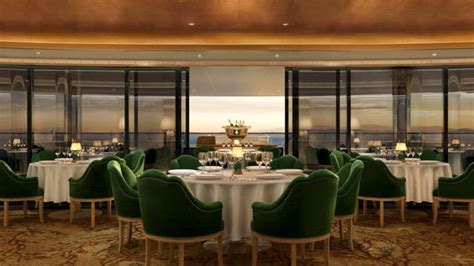
Rather than encouraging guests to eat exclusively onboard, the company emphasizes culinary exploration both on the ship and in destination ports. Many itineraries are designed so that travelers spend extended hours ashore—often during traditional lunch or dinner times.
This design encourages guests to experience local restaurants, cultural cuisine, and destination-based dining experiences rather than remaining on the ship for every meal.
Still, Four Seasons provides a helpful benchmark for potential guests.
According to company estimates, travelers can expect to spend approximately $250 per person per day on food and beverages. While this figure varies widely depending on personal preferences, it offers a general guide for budgeting during the voyage.
Transparent Menu Pricing and Restaurant Options
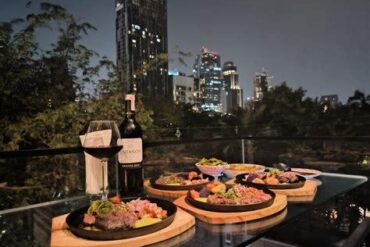
One notable aspect of the Four Seasons Yacht experience is the transparent presentation of onboard menu pricing. Sample menus reveal dishes and drinks priced at levels comparable to upscale restaurants in major cities.
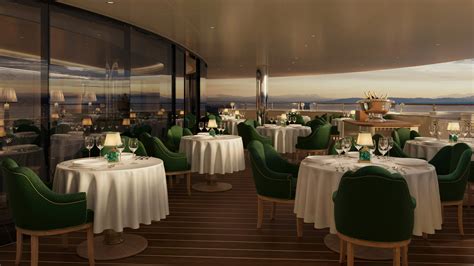
While certainly not inexpensive, the prices are not dramatically inflated compared with land-based luxury dining. In fact, many observers expected significantly higher costs given the exclusivity of the experience.
Another important factor is that taxes are already included in listed prices, and there is no expectation of tipping. Crew members receive competitive compensation as part of the standard operating model, though guests may optionally add gratuities for exceptional service.
This transparent approach reflects the broader philosophy behind the Four Seasons brand: luxury should feel refined rather than transactional.
How Much Does a Four Seasons Yacht Voyage Actually Cost?
The pricing of Four Seasons Yachts initially sparked speculation throughout the travel industry. Early predictions suggested fares might start at $1,500 to $2,000 per person per night or even higher.
The reality turned out to be somewhat different.
Current itineraries generally begin at just under $3,000 per suite per night, depending on the route and season. In some cases, particularly for repositioning voyages such as transatlantic crossings, prices drop closer to $1,900 per night.
Meanwhile, the most sought-after Mediterranean routes—especially those visiting the Greek islands—can start around $3,350 per night for a suite.
At first glance, these figures appear extremely high. Yet when evaluated within the context of the ultra-luxury travel sector, the pricing becomes easier to understand.
The ship’s limited capacity of only 95 accommodations requires significantly higher per-suite revenue to remain financially viable. Unlike mega-ships carrying thousands of guests, Four Seasons Yachts relies on exclusivity rather than scale.
Space and Exclusivity: The Real Luxury Proposition
Perhaps the most compelling element of the Four Seasons Yacht experience is the extraordinary amount of space allocated to each guest.
Even the entry-level Seaview Suite measures approximately 473 square feet, making it significantly larger than many suites offered by competing luxury cruise lines.
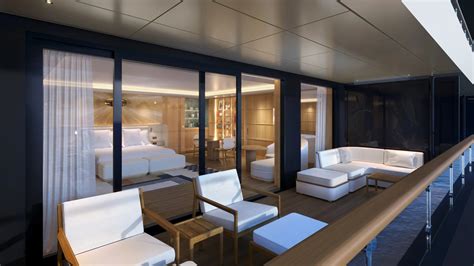
For comparison, suites aboard the first Ritz-Carlton Yacht Collection ship measure roughly 300 square feet. This means Four Seasons’ entry-level accommodations are nearly 60 percent larger.
The ship itself also carries fewer rooms overall. The Ritz-Carlton vessel offers 149 suites, compared to the 95 accommodations on the Four Seasons yacht.
These design choices reflect a fundamental strategy: maximize space, privacy, and comfort, even if it means sacrificing passenger volume.
Such exclusivity inevitably affects pricing—but it also shapes the overall guest experience.
Tender-Based Destinations and Boutique Travel Experiences
Another distinctive feature of Four Seasons Yachts is the emphasis on tender-based port access. Instead of docking at large cruise terminals designed for massive ships, the yacht often anchors offshore and transports guests via smaller boats directly to destination harbors.
This strategy allows the vessel to visit smaller, more intimate ports that are inaccessible to traditional cruise ships.
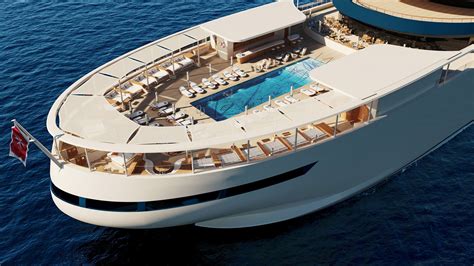
The result is an itinerary style closer to private yacht travel than conventional cruising. Guests can explore charming coastal towns, hidden coves, and lesser-known destinations that rarely appear on mainstream cruise routes.
Because travelers frequently spend extended hours onshore, the decision not to include every onboard meal becomes more understandable. Many guests may choose to dine ashore at renowned restaurants or local culinary hotspots.
In this context, the a la carte pricing structure aligns with the overall travel philosophy.
Why Four Seasons Chose an A La Carte Model
From a strategic perspective, the decision to avoid full all-inclusive pricing reflects several key considerations.
First, luxury hotel guests are already accustomed to paying separately for meals and drinks. Four Seasons properties worldwide operate under this model, and their clientele rarely expects unlimited dining included in the room rate.
Second, an all-inclusive cruise fare would likely require significantly higher nightly pricing. Some analysts estimate that including unlimited food and alcohol could add $1,000 or more per night per suite.
Many travelers might prefer paying only for what they actually consume rather than subsidizing unlimited dining they may not use.
Third, certain guests booking premium suites—sometimes costing hundreds of thousands of dollars per journey—are unlikely to be concerned about individual dining charges.
For this audience, the focus is not maximizing value through unlimited consumption but curating personalized travel experiences.
The Debate: Is All-Inclusive Still the Gold Standard?
The introduction of Four Seasons Yachts has sparked a lively debate within the travel industry.
Supporters of the traditional cruise model argue that all-inclusive pricing simplifies the vacation experience. Guests can enjoy meals, drinks, and entertainment without constantly reviewing checks or tracking expenses.
Opponents counter that all-inclusive pricing often inflates the base fare while encouraging excessive consumption. Travelers who prefer lighter dining or fewer drinks may end up paying for benefits they rarely use.
Four Seasons essentially challenges the assumption that luxury cruising must follow the all-inclusive formula.
Interestingly, the debate may soon intensify. Another ultra-luxury project, Aman at Sea, is scheduled to launch in 2027 and will reportedly charge even higher fares while including only limited dining options.
If both brands succeed, the industry could witness a gradual shift toward more flexible luxury pricing models.
Preferred Partner Benefits and Shipboard Credits
Travelers booking Four Seasons Yachts through advisors affiliated with the Four Seasons Preferred Partner program can receive additional benefits designed to offset onboard spending.
These perks often include shipboard credit, which can be used toward:
- Dining purchases
- Beverage orders
- Spa treatments
- Other onboard experiences
While the exact credit amount varies depending on the voyage and suite category, it provides guests with additional flexibility when budgeting for meals and activities.
For travelers already familiar with luxury hotel loyalty programs, this structure feels quite familiar.
Why Four Seasons Yachts Is Targeting a Different Traveler
The ultimate success of this pricing model depends on one critical factor: the type of traveler the brand hopes to attract.
Traditional cruise passengers often choose cruises specifically because of the all-inclusive nature of the experience. Meals, entertainment, and activities bundled into one price create a perception of exceptional value.
Four Seasons Yachts is not pursuing that demographic.
Instead, the brand appears focused on travelers who typically prefer:
- Luxury resorts
- Boutique hotels
- Private yacht charters
- Personalized travel itineraries
For these guests, the cruise ship itself becomes simply a luxurious method of traveling between destinations, rather than the primary focus of the vacation.
The Future of Luxury Cruising
Whether the Four Seasons model becomes a trendsetter or remains a niche experiment will depend on traveler response over the coming years.
However, the launch of Four Seasons Yachts undeniably introduces a new perspective to the luxury cruise industry. By prioritizing space, flexibility, and destination immersion over traditional all-inclusive offerings, the brand challenges long-held assumptions about what cruising should look like.
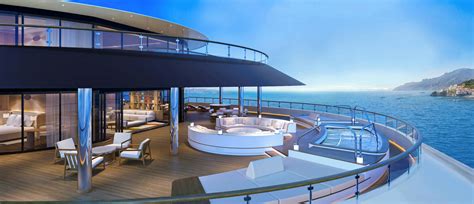
For travelers seeking the familiar comfort of unlimited dining and drinks, plenty of cruise lines still provide that experience. Yet for those who value customization, privacy, and boutique travel, Four Seasons Yachts may represent a compelling alternative.
Ultimately, the debate surrounding this pricing strategy highlights an important reality: luxury travel is evolving, and the most successful brands are those willing to rethink the rules.
Four Seasons has taken that risk—introducing a bold pricing structure that places choice and flexibility at the center of the cruising experience. Whether it becomes the future of luxury sailing or simply a fascinating detour remains to be seen, but it has already accomplished something significant: it has forced the industry to reconsider what true luxury at sea should look like.