In 2025, the North American airline industry is undergoing a seismic transformation, with the continent’s largest carriers—American Airlines, Delta Air Lines, Southwest Airlines, JetBlue Airways, Alaska Airlines, and United Airlines—solidifying their dominance while an energetic cohort of low-cost competitors, namely Allegiant Air, Sun Country Airlines, and Spirit Airlines, steadily expand their influence across the leisure and budget travel sectors.
American Airlines: Operational Setbacks Temper Financial Gains
American Airlines enters 2025 with mixed results. Despite posting a record revenue of $14.4 billion in Q2, the carrier continues to grapple with customer satisfaction challenges. According to J.D. Power’s 2025 North America Airline Satisfaction Study, American scored 684 out of 1,000, trailing behind its peers in both economy and premium economy segments. Storm-related operational disruptions at key hubs like Dallas/Fort Worth and Charlotte have tested its resilience, yet the airline has demonstrated strong recovery times and committed to technological investments aimed at boosting future reliability.
Strategically, American has expanded its international footprint with new routes from Chicago to Mexico City and Queretaro, alongside seasonal flights from Philadelphia to the Caribbean. These expansions reflect a broader plan to grow its transborder and leisure market share. Despite a net loss in Q1, American is making bold customer experience plays—most notably, offering free Wi-Fi to AAdvantage members, an attempt to win loyalty amid growing competition.
Delta Air Lines: Premium Supremacy and Operational Prowess
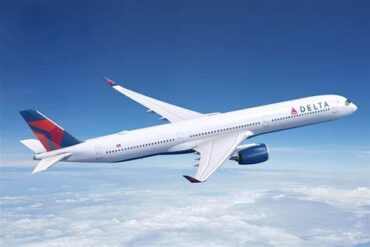
Delta Air Lines continues to be the benchmark for premium service and operational excellence. It leads the J.D. Power rankings in first/business class and premium economy, thanks to superior amenities such as Sky Club lounges and premium cabin services. Its on-time performance rate of 83% not only outpaces domestic competitors but positions Delta as a global leader in reliability.
Financially, Delta is soaring with record-breaking revenue of $61.6 billion—a result of high-margin premium services, meticulous route optimization, and strong loyalty program engagement. New holiday and seasonal routes to destinations like St. Vincent, Grenada, and San Jose del Cabo are part of a calculated expansion that leverages Delta’s strength in both the luxury and adventure tourism markets. In every metric that matters—punctuality, service, profitability—Delta is delivering a masterclass.
Southwest Airlines: The People’s Champion in Economy Travel
For travelers prioritizing value, Southwest Airlines remains a champion. Topping the economy/basic economy category in J.D. Power’s satisfaction study, Southwest offers low fares, free checked bags, and flexible ticketing policies—benefits rarely seen among budget competitors.
Southwest has recently bolstered its international connectivity by launching seasonal flights from Sacramento to Puerto Vallarta, reinforcing its position in U.S.-Mexico leisure corridors. Operationally, the airline has rebounded from past disruptions, improving its on-time performance and reinforcing confidence among its substantial customer base. With a cost-effective model and strong brand loyalty, Southwest continues to prove that budget-friendly doesn’t have to mean basic.
JetBlue Airways: Exceptional Comfort Meets Profit Pressure
JetBlue Airways ranks just below Delta in first/business and premium economy satisfaction, with praise for increased legroom, superior inflight entertainment, and overall passenger comfort. Routes such as Fort Lauderdale to Guatemala City and Guayaquil expand JetBlue’s footprint in the Latin American market, appealing to both leisure travelers and the VFR (visiting friends and relatives) segment.
However, JetBlue’s financial performance in 2025 is under pressure. Operational costs have surged, and executives have warned of potential profitability constraints unless cost structures are recalibrated. Despite these headwinds, JetBlue maintains solid on-time metrics and enjoys high brand affinity, making it a favorite among value-conscious premium flyers.
Alaska Airlines: Precision, Profitability, and Pacific Expansion
Alaska Airlines has carved out a reputation for punctuality and personalized service, with an impressive 79% on-time rate. It scores particularly high in premium economy satisfaction, where its dedicated crew and tailored inflight services earn consistent praise. Financially, Alaska is on an upward trajectory, reporting $11.7 billion in revenue in 2024.
A pivotal moment in Alaska’s growth came with its acquisition of Hawaiian Airlines, allowing deeper penetration into Pacific markets. The launch of Seattle-to-Tokyo Narita, Seoul Incheon, and Rome routes mark a confident step into long-haul international territory, previously underserved by the carrier. Alaska is no longer just a West Coast regional airline—it is a player on the global aviation stage.
United Airlines: Strategic Expansion and Post-Pandemic Strength
United Airlines has emerged from the pandemic with robust financial gains and operational momentum. Ranking among the top five in J.D. Power’s survey, United appeals to both premium and economy flyers, largely due to its versatile cabin options and extensive global reach.
United’s network expansion in 2025 is both ambitious and calculated. The airline has inaugurated new transatlantic routes from Newark to Greenland, Palermo, and Bilbao, as well as a year-round service from D.C. to Dakar, Senegal, strengthening its Africa strategy. The airline’s fleet upgrades and investment in digital transformation have further enhanced its operational consistency, contributing to record profitability and rising shareholder confidence.
Low-Cost Carriers on the Rise: Allegiant, Sun Country, and Spirit
Beyond the legacy giants, low-cost carriers are rising fast, capitalizing on shifting consumer preferences for affordable, point-to-point travel.
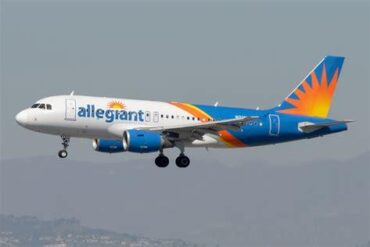
Allegiant Air, for the second year in a row, has been awarded North America’s Best Low-Cost Airline by Skytrax. Its barebones fare model, paired with an expanding network of underserved routes, makes it an appealing option for price-sensitive leisure travelers. The airline’s strategy of serving secondary airports keeps overhead low and convenience high.
Sun Country Airlines has found success with a hybrid model, offering both scheduled passenger service and cargo operations. Its reputation for efficiency and budget reliability continues to attract flyers looking for no-frills, punctual service. The airline is increasingly positioning itself as a viable competitor to both Southwest and Allegiant in the heartland and mid-tier cities.
Spirit Airlines, while often criticized for its à la carte pricing model and mixed customer satisfaction, remains a formidable player in the ultra-low-cost space. The airline is making improvements to its passenger experience and expanding into new markets, betting on volume-driven profitability.
What Travelers Should Know in 2025
As air travel continues to rebound and evolve, travelers in 2025 face a more complex and dynamic marketplace. Legacy carriers such as Delta, American, United, Alaska, JetBlue, and Southwest remain strong choices for those prioritizing network breadth, premium service, and frequent flyer benefits. However, the growing appeal of low-cost carriers, particularly for short-haul leisure travel, cannot be ignored.
Consumers must weigh the benefits of reliability, comfort, and loyalty rewards against the price savings and direct routes offered by budget airlines. The airline industry in North America is no longer a duopoly of full-service giants—it’s a diversified, competitive environment where choice, customization, and cost shape every itinerary.
As 2025 progresses, this competitive dichotomy between full-service leaders and budget challengers is expected to further intensify. Travelers stand to gain the most from this rivalry, enjoying better service, more route options, and ultimately, greater value in an industry that is being reshaped by innovation, competition, and evolving consumer expectations.