The commercial aviation industry’s two dominant manufacturers are once again locked in a fierce contest for global supremacy. Through the first four months of 2026, Airbus continues to dominate aircraft sales, while Boeing is quietly building momentum through stronger deliveries and a sharp rebound in monthly orders. The latest figures reveal a market that is no longer defined by crisis recovery alone, but by aggressive competition for airline fleet renewal, production stability, and long-term market share.
Airbus has maintained a commanding advantage in gross and net aircraft orders across 2026 so far. The European manufacturer secured 436 gross orders between January and April, substantially ahead of Boeing’s 297 gross orders during the same period. After accounting for cancellations and conversions, Airbus still holds a significant lead with 405 net orders, compared with Boeing’s 284 net orders.
The gap highlights Airbus’ continued strength across both narrowbody and widebody segments, particularly as airlines accelerate modernization plans to improve fuel efficiency and reduce operating costs. Demand for newer-generation aircraft remains exceptionally strong as carriers seek to capitalize on post-pandemic travel growth while preparing for stricter sustainability targets.
Boeing Records Its Strongest April Orders in More Than a Decade
Despite trailing Airbus overall, Boeing delivered one of its strongest monthly sales performances in years during April 2026. The American manufacturer recorded 136 gross aircraft orders in a single month, compared with just 28 orders for Airbus over the same period.
The April surge represents Boeing’s best order performance for that month in more than ten years and marks the company’s strongest start to a year since 2014. The figures suggest that airline confidence in Boeing is steadily returning after years overshadowed by the 737 MAX grounding, pandemic-related disruption, certification setbacks, and production instability.
Boeing’s commercial backlog has now climbed above 6,000 aircraft spanning the 737, 767, 777, and 787 programmes. That backlog remains one of the clearest indicators that the manufacturer’s recovery strategy is gaining traction with airlines and leasing companies worldwide.
Airlines continue placing enormous emphasis on fuel-efficient aircraft capable of reducing maintenance costs and supporting network expansion. Boeing’s improving order momentum demonstrates that carriers still view its product portfolio as highly competitive despite recent operational challenges.
Boeing Moves Slightly Ahead on Aircraft Deliveries
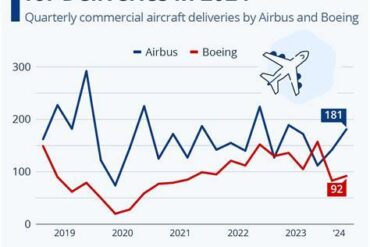
While Airbus leads the order race, Boeing currently holds a narrow advantage in one of the industry’s most financially important categories: aircraft deliveries.
Between January and April 2026, Boeing delivered 190 aircraft, edging past Airbus, which delivered 181 aircraft to 57 customers. During April alone, Airbus handed over 67 aircraft to 39 customers, while Boeing delivered 47 aircraft.
Deliveries matter far more than simple production statistics. Aircraft manufacturers receive the majority of customer payments when jets are officially handed over, making delivery performance critical for cash flow, profitability, and investor confidence.
For Boeing especially, consistent deliveries are central to restoring operational credibility. The company has spent years attempting to stabilize production systems while addressing regulatory scrutiny and manufacturing quality concerns. Even a modest lead in deliveries signals improving industrial discipline inside Boeing’s factories.
Major Airline Deals Intensify the Airbus-Boeing Rivalry
The competitive balance could shift further as both manufacturers continue securing major airline agreements throughout May.
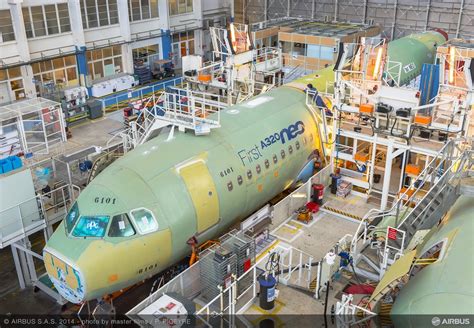
One notable Airbus victory came from Scoot, the low-cost subsidiary of Singapore Airlines Group. The carrier confirmed an order involving 11 Airbus A320neo family aircraft, including five firm orders and six exercised options from an earlier agreement signed in 2014.
Airbus also captured one of the year’s most important deals through AirAsia’s massive order for 150 Airbus A220 aircraft. The agreement represents the largest A220 order ever placed, surpassing previous commitments from Delta Air Lines and JetBlue.
The significance extends beyond volume alone. AirAsia’s purchase marks the first major adoption of the A220 by a large Asian low-cost carrier, potentially opening an entirely new growth market for Airbus across the region.
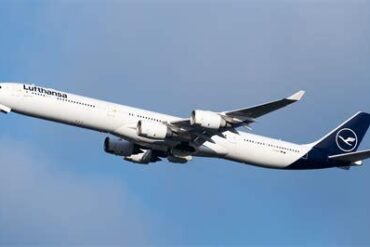
Meanwhile, Boeing secured an important widebody commitment from Lufthansa Group, which ordered 10 Boeing 787-9 Dreamliners alongside 10 Airbus A350-900s. The split order demonstrates how many global airlines continue balancing purchases between both manufacturers to diversify fleets and reduce operational risk.
Boeing’s 777X Programme Remains Critical to Future Competition
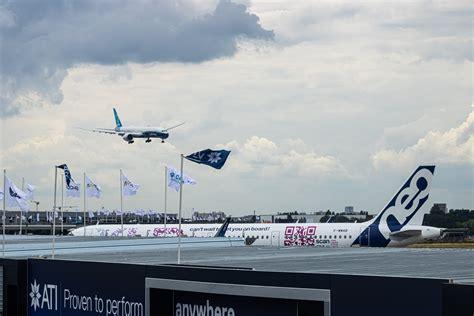
Much of Boeing’s long-term competitive outlook now depends on the delayed but strategically vital 777X programme. The manufacturer recently completed the first flight of a production-standard 777-9 aircraft destined for Lufthansa, marking another milestone toward certification.
The 777X is expected to become Boeing’s flagship long-haul aircraft and its primary challenger to the highly successful Airbus A350 family. Certification delays have repeatedly pushed back service entry timelines, frustrating airline customers and increasing pressure on Boeing management.
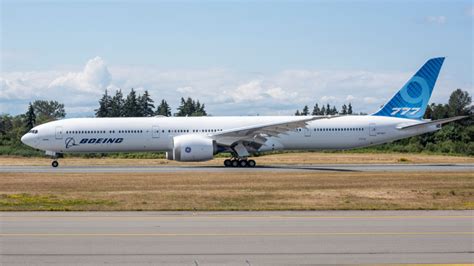
Still, progress on flight testing suggests Boeing is gradually moving closer to commercial deliveries. If the 777X programme finally enters service successfully, it could become a decisive factor in narrowing Airbus’ current sales advantage.
As 2026 progresses, Airbus remains firmly ahead in overall aircraft orders, but Boeing’s improving deliveries and resurgent sales activity indicate the competitive battle is becoming increasingly balanced once again.