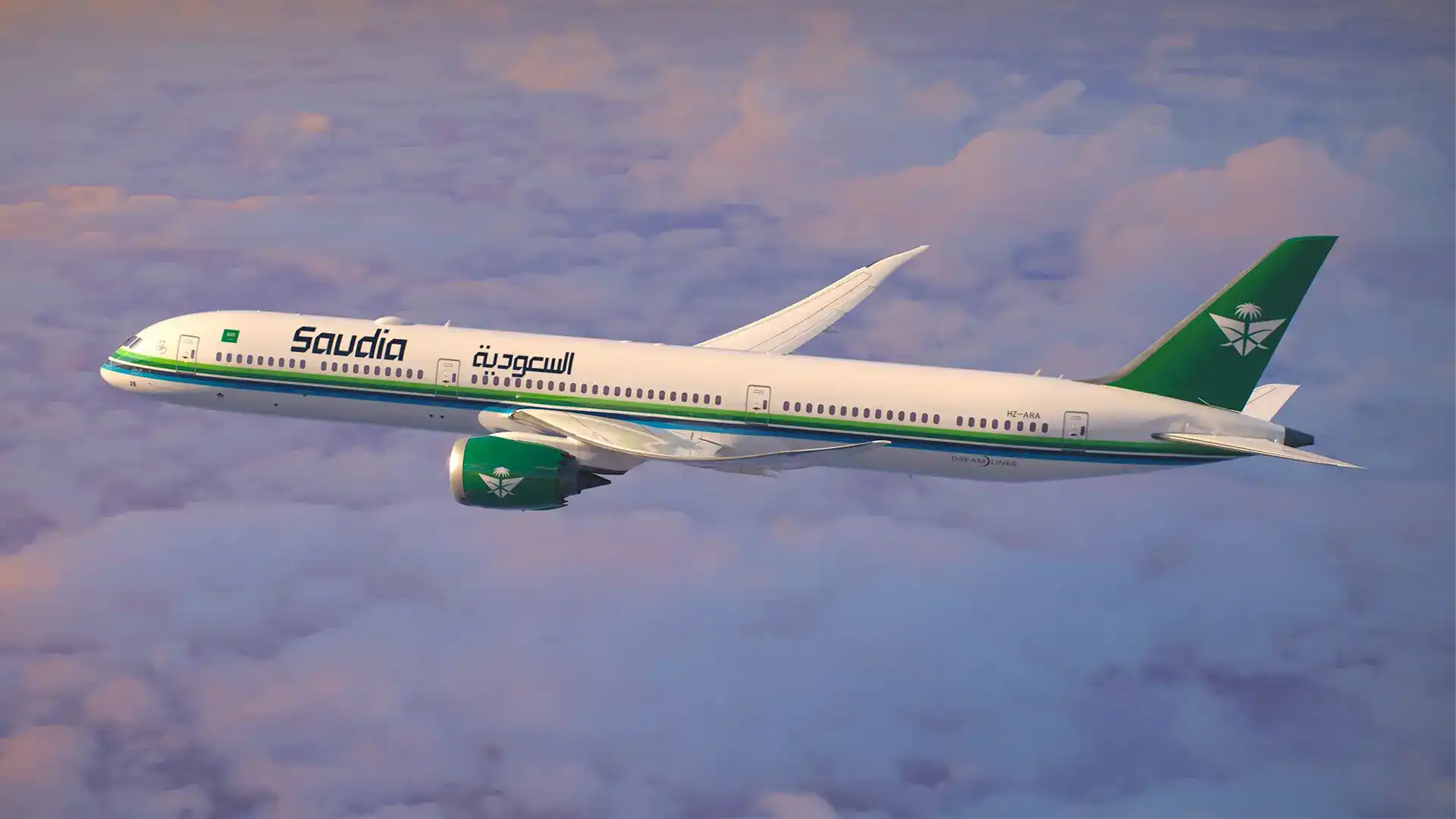
Saudi Arabia’s aviation transformation is accelerating at a speed rarely seen in global commercial air travel. As the kingdom advances its Vision 2030 agenda and seeks to welcome 150 million annual visitors, it is engineering a sweeping, multi-airline ecosystem designed to position the nation as a world-class hub for tourism, connectivity, and investment. The growth already underway across its four existing carriers is remarkable on its own, yet the unveiling of three new airlines signals an aggressive path toward becoming one of the most influential aviation markets on the planet.
A National Strategy Reshaping the Aviation Landscape
Saudi Arabia’s decision to build a seven-airline system emerges from a deliberate strategy to diversify its economy and drive tourism-led growth. More than $100 billion has already been allocated to aviation infrastructure, including the colossal King Salman International Airport in Riyadh, designed with six runways, and the ongoing expansion of King Abdulaziz International Airport in Jeddah. These developments form the backbone of a network capable of handling the massive increase in inbound travelers expected over the next decade.
The kingdom’s tourism authority has made it clear that the aviation industry is central to national transformation. Its chief executive, Fahd Hamidaddinis, emphasized during the Cityscape Global conference that the country is executing the most profound aviation overhaul of the 21st century. The declaration that three additional carriers will join Saudia, Flynas, Flyadeal, and Riyadh Air marks a historic expansion.
Three New Airlines Poised to Redefine Connectivity
While details remain limited, the emerging outline of these upcoming carriers reveals a strategic distribution of roles and regional specializations. The first of the new airlines will be a low-cost carrier based in Dammam at King Fahd International Airport—the world’s largest airport by land area. A consortium led by Air Arabia, along with Kun Investment and Nesma Holding, has already been selected to launch this operation. Plans call for a fleet of 45 aircraft and service to 24 domestic and 57 international destinations by 2030, supporting a passenger capacity of 10 million annually.
The second new airline is dedicated to serving religious tourism, a cornerstone of the kingdom’s visitor strategy. Based in Medina, it will provide direct links to Prince Mohammad bin Abdulaziz International Airport, enabling pilgrims to reach the holy city without transiting through Jeddah. With tenders opening soon, this carrier is expected to reshape travel flows for millions undertaking spiritual journeys.
The third airline remains undisclosed, though expectations point toward another specialized operator aligned with the kingdom’s increasingly segmented aviation ecosystem.
Existing Carriers Fueling Unprecedented National Growth
Saudi Arabia’s four active airlines are already advancing with an intensity that rivals major global aviation players. Their combined order books exceed 460 aircraft, a pipeline that will nearly triple the operational fleet over the next several years. This includes massive acquisitions across both Airbus and Boeing widebody and narrowbody families.
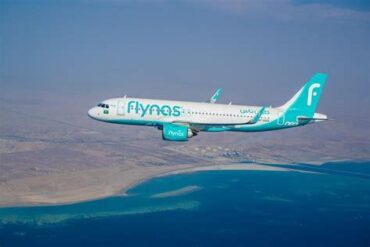
Flynas leads with more than 140 Airbus A320 family aircraft on order, complemented by A330-900neos aimed at expanding long-haul and mid-range operations. Saudia is undertaking its own transformation with a blend of Boeing and Airbus aircraft, solidifying its role as the country’s flagship. Flyadeal, Saudia’s low-cost subsidiary, is rapidly scaling its narrowbody fleet to reinforce domestic and regional connectivity.
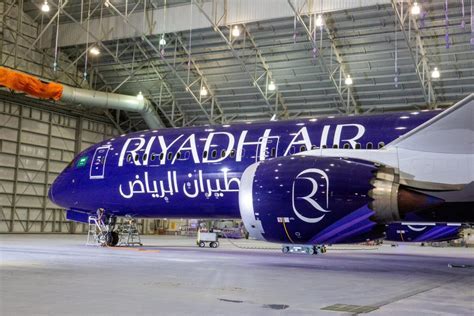
Then there is Riyadh Air, the kingdom’s newest global carrier, which has already launched service to London Heathrow and aims for over 100 destinations by 2030. Backed by an enormous order book that includes 40 Boeing 787-9s, 60 Airbus A321neos, and A350-1000s, Riyadh Air is positioned as a premium, globally competitive airline designed to elevate the nation’s capital into a marquee global hub.
A Converging Fleet Approaching 1,000 Aircraft
By the early 2030s, the kingdom is expected to field a combined fleet approaching 1,000 commercial aircraft, an extraordinary scale for a nation that only recently began aggressively investing in international tourism. Each airline serves a different purpose in a layered design: premium global reach from Riyadh Air, national and international service from Saudia, low-cost mobility from Flynas and Flyadeal, and specialized operations from the three new carriers yet to be fully introduced.
The result is a cohesive aviation ecosystem structured to support infrastructure megaprojects, diversified tourism zones, and a new era of economic engagement. Saudi Arabia is not merely expanding capacity; it is building an integrated, rival-beating aviation powerhouse engineered for long-term dominance.
A Future Defined by Scale, Specialization, and Strategic Vision
As the kingdom marches toward its Vision 2030 goals, the emergence of seven airlines underscores a bold, calculated strategy to become one of the world’s most important aviation and tourism centers. With world-class airports rising, enormous fleet investments accelerating, and a multi-airline network taking shape, Saudi Arabia is positioning itself to challenge the major aviation hubs of Europe, Asia, and the Gulf. The next decade is set to redefine how travelers interact with the region and how global traffic flows across continents.
Saudi Arabia’s aviation expansion is more than a national project. It is a reshaping of regional air power, a reinvention of tourism potential, and a bold statement that the kingdom intends to stand at the forefront of global aviation for decades to come.