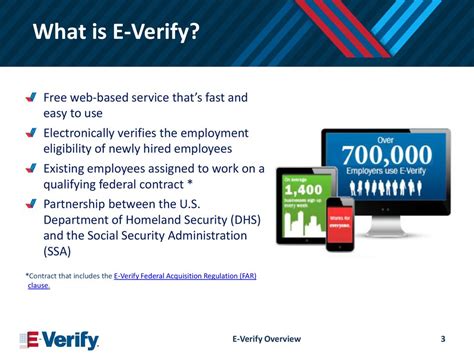
The United States Department of Homeland Security (DHS) has introduced a critical E-Verify system update designed to automatically notify employers when an immigrant worker’s Employment Authorization Document (EAD) is revoked. This change, announced on June 28, 2025, marks a pivotal shift in the employment verification landscape — one that could have far-reaching effects on immigrant workers, particularly in sectors such as travel and tourism, which heavily depend on non-citizen labor.
Prior to this development, employers had no formal mechanism to be alerted when an EAD was invalidated. Now, with the implementation of the “status change report”, DHS will proactively inform employers enrolled in E-Verify of such revocations. While this feature increases transparency for employers, it simultaneously places a heavy burden on immigrant employees, many of whom might face sudden job termination without ever being directly informed about their legal status revocation.
DHS Update: A Double-Edged Sword for Employers and Workers
The new update is part of DHS’s broader initiative to streamline immigration oversight and enforce work authorization rules more efficiently. The core function of the status change report is to alert employers in real-time when a previously valid EAD becomes invalid. However, only employers enrolled in the E-Verify system—which remains voluntary for many industries—will receive these updates. Employees themselves receive no such notification from DHS.
This lack of direct communication has ignited widespread concerns among immigrant advocacy groups, legal experts, and employment law observers. Immigrant workers whose work permits are revoked may continue working unaware until employers notify them or take adverse action based on the E-Verify alert. The risk is compounded by the volatile state of U.S. immigration policies, which are frequently altered by court rulings and executive directives.
Supreme Court Ruling Sets the Stage
The E-Verify update closely follows a landmark decision by the U.S. Supreme Court, which upheld the Biden administration’s authority to terminate deportation protections and revoke work permits granted under various humanitarian programs, such as:
- Temporary Protected Status (TPS)
- Humanitarian Parole
- CHNV Parole Program (for nationals from Cuba, Haiti, Nicaragua, and Venezuela)
Many individuals enrolled in these programs now face immediate risks of losing their legal right to work in the U.S. The confusion stems from the fact that these workers may still possess a valid-looking EAD card, even after their underlying immigration status has been rescinded.

Legal Tightrope for Employers: A No-Win Situation
With the new system in place, employers are expected to regularly consult the status change report to confirm the continued eligibility of their workforce. If an employee is found to have a revoked EAD and cannot prove an alternate legal status, the employer is legally obligated to terminate employment to avoid violating federal immigration laws.
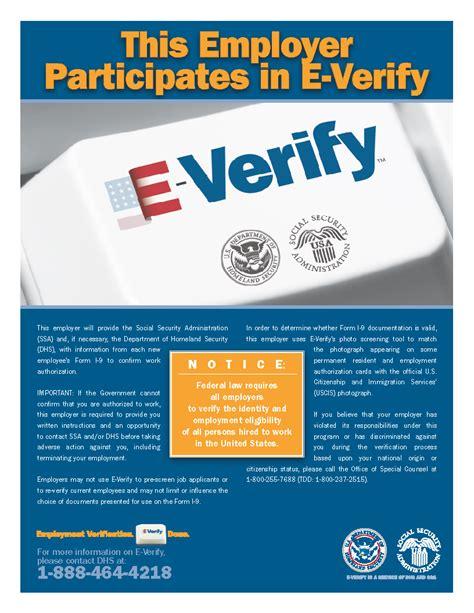
However, this obligation comes with its own legal dangers. Employers who act too aggressively—such as targeting only foreign-born employees or those perceived to be immigrants—could be prosecuted for discrimination under the Immigration and Nationality Act (INA). DHS has cautioned that the E-Verify system must be used solely for verifying eligibility, not as a tool to single out individuals based on their ethnicity or nationality.
Legal experts warn that the new reporting feature could inadvertently lead employers to engage in over-compliance, resulting in the unlawful dismissal of workers who may still be authorized to work. The complexities surrounding immigration statuses, renewals, and pending applications make it nearly impossible to generalize or automate such decisions without human oversight and legal guidance.
Travel and Tourism Industry Faces Workforce Disruption
Among the hardest-hit sectors will be travel, tourism, and hospitality, where immigrant labor forms a substantial part of the workforce. From airport service staff to hotel housekeepers and tour guides, many of these roles are filled by individuals relying on temporary or conditional work permits.
The introduction of the new alert system raises immediate red flags. Employers may suddenly be informed that a frontline worker’s EAD is invalid, forcing a rapid employment decision that could leave hotels, airlines, and resorts short-staffed at a moment’s notice. This development comes at a time when the travel industry is striving to recover from post-pandemic labor shortages, and stability is paramount.

The Silence Problem: No Direct Notice to Employees
Perhaps the most controversial aspect of the DHS update is the lack of direct notification to workers whose status has changed. In many cases, employees may remain unaware of their ineligibility until the issue is flagged by their employer. This approach not only undermines transparency, but also erodes trust between workers and management.
Many workers under pending TPS renewals, asylum claims, or green card applications may face additional vulnerabilities. If their renewal or adjustment of status is delayed or denied—and they are not informed—they may unknowingly continue working without valid authorization, leading to abrupt job loss and potential legal consequences.
What Immigrant Workers Should Do Immediately
In this uncertain environment, immigrant workers must become proactively involved in monitoring their own status. Experts strongly advise the following steps:
- Consult an immigration attorney to review your current status and any pending applications.
- Track all filings with USCIS through the official portal and ensure all contact details are up to date.
- Engage in open dialogue with your employer regarding E-Verify usage and ask whether your employment is being monitored through the system.
- Keep a paper trail of any notices received, application receipts, or correspondence with DHS.
By taking ownership of their legal standing, workers can reduce the risk of sudden job disruption and maintain lawful employment.

Compliance Without Discrimination: A Delicate Balance
Employers must also develop robust compliance protocols that do not verge into discriminatory territory. Legal advisors suggest:
- Training HR staff on how to interpret E-Verify notifications correctly.
- Establishing standard operating procedures for what actions to take upon receiving an alert.
- Avoiding selective monitoring that disproportionately targets immigrant workers.
Failure to maintain this balance could result in costly lawsuits, damaged brand reputations, and even federal audits. DHS has made it clear that the E-Verify update is not a green light for wide-scale workforce purges.
Future Implications: A System Under Scrutiny
The rollout of the E-Verify status change report raises profound ethical, legal, and operational questions. Critics argue that the system effectively outsources immigration enforcement to private employers, without giving affected individuals the due process protections they might receive in a courtroom or legal proceeding.
Supporters, on the other hand, view it as a necessary step toward workforce integrity and lawful employment. As the debate continues, one thing is clear: both employers and employees must stay vigilant, informed, and legally compliant as the U.S. immigration framework continues to evolve.
The travel and tourism industry, already in a fragile state, may soon find itself navigating an even more turbulent employment environment. Workers and companies alike must brace for a future where immigration status checks are not only more frequent, but also more consequential than ever before.