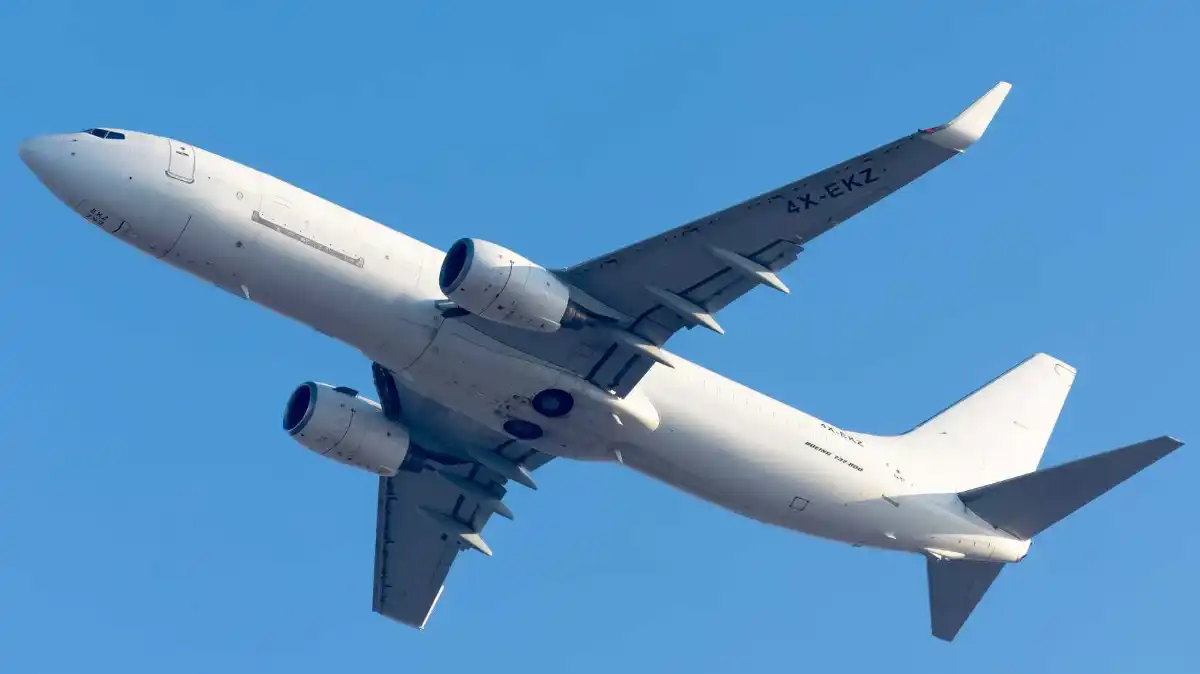
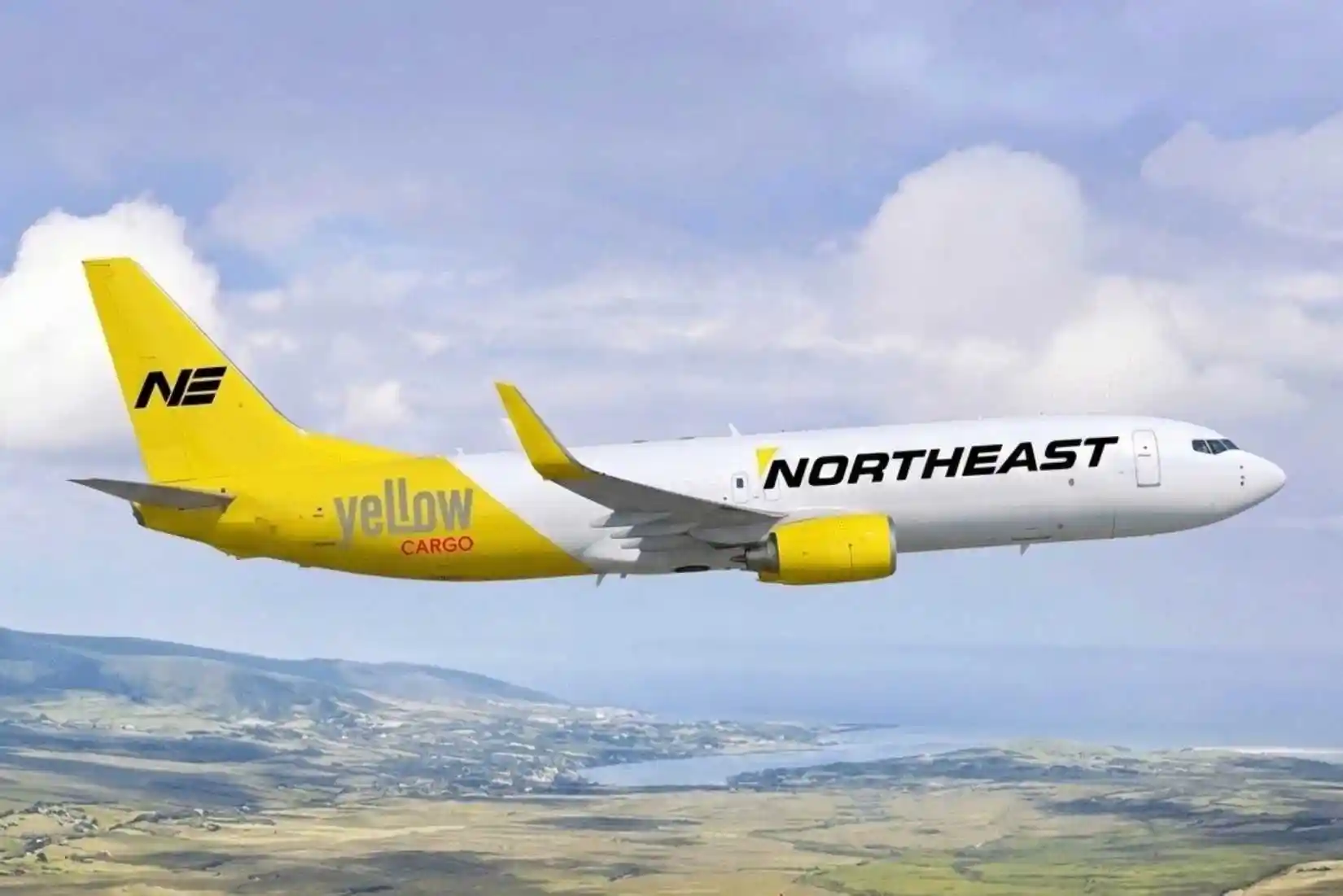
A new US airline is preparing to enter commercial aviation in 2027, but passengers will not be buying tickets, choosing seats, or waiting at its gates. Despite carrying the name of a former American passenger carrier, the new Northeast Airlines and Travel, Inc. is planning to launch with zero passenger seats, instead using Boeing 737-800 converted freighters to build a scheduled cargo operation.
The unusual strategy reflects just how difficult the modern US passenger airline market has become. Rather than attempting to compete with enormous carriers such as United Airlines, American Airlines, Delta Air Lines, and Southwest Airlines, Northeast is targeting the freight market, where a small operator can potentially establish a niche without needing a huge passenger network, recognizable cabin product, or large loyalty program.
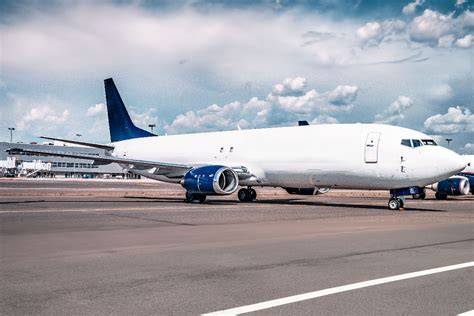
The company has reportedly entered the FAA certification process in August 2026 and is targeting an FAA Part 121 Air Operator’s Certificate (AOC) by the third quarter of 2027. If successful, that certification would allow Northeast to operate scheduled commercial services using large transport aircraft. The planned operation would initially center on Boeing 737-800BCFs, aircraft that have been converted from passenger jets into dedicated freighters.
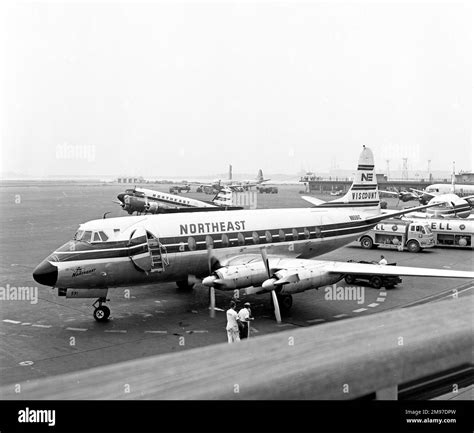
The name, however, creates an intriguing connection with American aviation history. The original Northeast Airlines was a major domestic trunk carrier serving markets from Boston and New York before being acquired by Delta Air Lines in 1972. More than half a century later, the name could return to airline operations, although the business behind it will be very different. The new company is based in Chicago, has no intention of becoming a conventional passenger carrier, and is using the Northeast trademark primarily as an existing corporate asset.
Northeast Airlines Is Pursuing FAA Part 121 Certification
Northeast Airlines and Travel, Inc. is not an entirely new business. The company has already operated in the aviation industry as a broker arranging charter passenger and cargo flights, although it has not previously operated its own aircraft as a scheduled carrier. That distinction is important because becoming a certified airline represents a much larger financial and regulatory commitment than simply arranging flights for customers.
The company is owned by Volare Air Group, which uses the Northeast name across multiple subsidiaries involved in different aviation-related activities. The group is now attempting to turn one part of that operation into a scheduled cargo airline. The target is Part 121 certification, the regulatory framework covering scheduled airline operations using large commercial transport aircraft in the United States.
Part 121 includes some of the country’s biggest passenger airlines, including United Airlines and American Airlines, but it is not limited to passenger operations. Major freight operators such as FedEx Express also operate under the framework, while carriers such as Kalitta Air demonstrate how Part 121 can support specialized aviation businesses.
For Northeast, the certification will provide the regulatory foundation for scheduled cargo services. The company’s plan to begin with 737-800BCFs is particularly significant because the aircraft offers a relatively accessible entry point into the narrowbody freighter market. Instead of investing in widebody freighters and attempting to build a global network immediately, Northeast can potentially focus on shorter domestic routes where cargo demand supports regular scheduled service.
The exact network remains unclear. Northeast has released few details about where its aircraft will operate, how many aircraft it expects to have at launch, or precisely how the fleet will be acquired. Those unanswered questions are important because obtaining an AOC is only one part of creating a viable airline. The company must also secure aircraft, crews, maintenance arrangements, insurance, airport facilities, cargo customers, operational systems, and sufficient working capital.
Why Northeast Is Launching Without Passenger Seats
The decision to launch a new airline without passenger seats may initially appear strange, but the economics make considerably more sense when viewed from the perspective of a startup.
A passenger airline needs to sell much more than transportation. It must persuade travelers to choose its brand, develop competitive fares, establish useful schedules, maintain customer service, provide an attractive onboard product, and often build a loyalty program. Passengers also expect broad connectivity, convenient departure times, reliable operations, and multiple alternatives when something goes wrong.
A small passenger airline therefore faces an enormous disadvantage against established carriers. United Airlines, American Airlines, Delta Air Lines, and Southwest Airlines already possess large fleets, extensive networks, established airport positions, recognizable brands, and millions of loyal customers. A startup entering that market must spend heavily simply to become visible.
Cargo works differently. A freight customer generally cares less about whether an aircraft carries a famous brand name and more about whether the shipment arrives reliably, at the required time, and at an acceptable cost. A small carrier can therefore serve a specific market without recreating the entire commercial infrastructure of a major passenger airline.
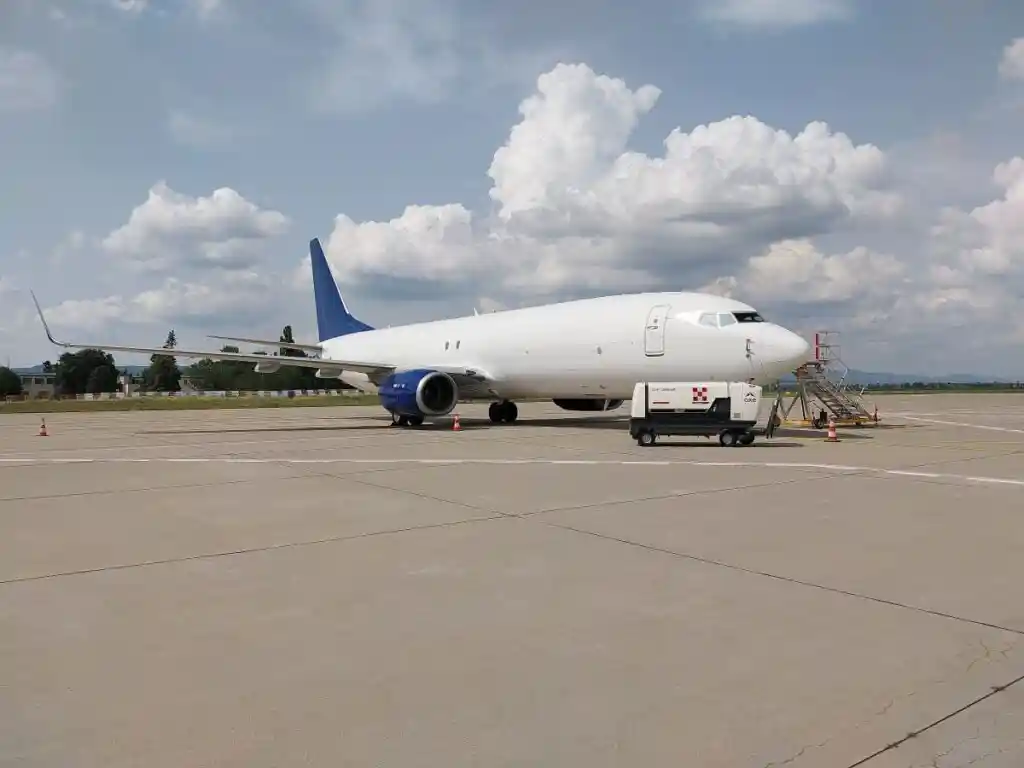
That does not mean cargo aviation is easy. Freight airlines still require substantial capital and must meet strict safety and operational requirements. However, the competitive structure can make a focused niche operation more achievable. Northeast does not need to convince millions of travelers to switch airlines. It needs to develop dependable relationships with cargo customers and build a network around profitable demand.
The Boeing 737-800BCF is well suited to that philosophy. Converted 737 freighters can carry cargo on domestic routes while offering lower capacity than larger widebody freighters. That makes them potentially useful for markets where shipment volumes are significant but do not justify a much larger aircraft.
The Northeast Name Is Not Really a Passenger Airline Revival
The decision to use the Northeast name is perhaps the most confusing element of the project. Someone familiar with US aviation history could reasonably expect the new airline to recreate the former Northeast Airlines, complete with passenger routes from its traditional New England base.
That is not what is happening.
The original Northeast Airlines disappeared into Delta Air Lines in 1972, meaning there is no continuous corporate operation connecting the historic carrier with the proposed cargo startup. Instead, Volare Air Group owns rights to the Northeast name and can use that intellectual property for its present-day aviation businesses.
The strategy is partly about keeping the trademark active. Airline names can have value even when the original company has disappeared, and businesses sometimes reuse historic aviation brands long after the original airline has ceased operating.
The US airline industry provides several examples. PSA Airlines, which today operates regional flights for American Airlines, shares its name with the famous Pacific Southwest Airlines of the past. The modern company is not a continuation of that historic carrier, but the name survived through corporate and trademark decisions.
The same principle applies to other historic airline names. Keeping a trademark in commercial use can be strategically valuable, particularly when the name already belongs to a company’s portfolio. In Northeast’s case, the brand is not necessarily being deployed to create passenger nostalgia. It is simply an existing asset that can be attached to a new aviation business.
Northeast Already Tried To Launch a Passenger Airline
The current cargo strategy also makes more sense when viewed against Northeast’s earlier attempt to become a passenger airline.
Volare Air Group established a Northeast subsidiary in 2014, with plans to base the operation in Orlando. In 2015, the company pursued Part 121 certification and intended to begin scheduled services in 2016 as an ultra-low-cost passenger airline.
That plan ultimately failed before the airline could establish regular passenger operations. Funding became a major problem, and the project was unable to sustain the enormous costs associated with creating a new Part 121 carrier.
The company had also explored establishing an operating base at New York Stewart International Airport (SWF). Those plans did not progress quickly enough for investors, and available funding eventually dried up. The project collapsed, leaving Northeast once again without an operating passenger airline.
That history makes the 2027 attempt particularly interesting. The company is returning to the certification process, but this time it is pursuing a fundamentally different business model. Rather than trying to build a low-cost passenger carrier from scratch, it is targeting scheduled cargo operations while maintaining other aviation-related businesses.
The change may reduce some of the commercial pressure that helped undermine the earlier project, although it does not eliminate the risks. Northeast still needs significant capital to complete certification, acquire aircraft, establish infrastructure, and survive the period before the operation reaches sustainable profitability.
Why Cargo Could Give the Startup a Better Chance
The US freight market offers Northeast a more realistic path to establishing a small airline than the passenger market might provide. Cargo customers can support specialized routes, and the value proposition is centered on logistics rather than brand recognition.
That difference is crucial. A passenger deciding between two airlines may consider aircraft interiors, seat comfort, frequent-flyer benefits, airport lounges, schedules, baggage policies, and the overall reputation of the carrier. A freight customer is more likely to prioritize capacity, reliability, delivery timing, network coverage, handling, and price.
A startup therefore does not necessarily need to imitate the largest carriers. It can build a smaller operation around specific cargo flows and expand only when demand justifies additional aircraft.
Northeast’s broader corporate structure could also provide multiple sources of revenue. Alongside the planned airline, the company is developing material and asset management services, while its existing charter-brokerage activities can continue operating. That diversification could make the overall business less dependent on the performance of the scheduled airline alone.
A Difficult Road Remains Before the 2027 Launch
Despite the ambitious plans, Northeast is far from guaranteed to become an operating airline. Receiving an FAA certificate requires extensive preparation, testing, documentation, training, operational demonstrations, and regulatory approval. The company must prove that its organization can safely operate scheduled commercial flights before the FAA grants the necessary authority.
The financial challenge may be equally important. Airline startups routinely consume substantial amounts of capital before generating meaningful revenue. Aircraft acquisition, maintenance, insurance, crews, facilities, technology, certification, and working capital can create large expenses long before the first scheduled cargo flight.
There are also unanswered questions about Northeast’s planned fleet. The company has identified 737-800BCFs as its initial aircraft, but details about the number of aircraft, their sources, delivery schedules, and specific routes have not been fully disclosed.
That uncertainty means the proposed 2027 launch should be viewed as a target rather than a certainty. Northeast’s previous passenger project demonstrates how quickly funding and operational delays can derail a startup airline.
Still, the new strategy is arguably more logical than the earlier plan. A small passenger airline would have been forced into direct competition with some of the strongest companies in American aviation. A specialized cargo operator can instead pursue narrower opportunities and grow according to demand.
Northeast Could Become an Unusual New US Airline
The planned return of Northeast Airlines is therefore not really a nostalgic resurrection. It is something more unusual: a new US cargo airline using the trademark of a long-defunct passenger carrier.
That distinction explains why an airline scheduled to launch in 2027 can have zero passenger seats. The business is not being designed around passengers at all. Its aircraft will be configured to transport freight, while the company simultaneously develops charter brokerage, travel management, and asset-management activities.
If Northeast completes its FAA Part 121 certification and begins scheduled cargo flights, it will join a relatively specialized corner of American aviation where smaller operators can compete without replicating the enormous networks of the major passenger airlines.
The most important question is no longer whether Northeast can recreate the airline that disappeared into Delta more than 50 years ago. It cannot, and apparently does not intend to. The real question is whether Volare Air Group can turn an old airline name, a handful of 737-800BCFs, and a cargo-focused strategy into a sustainable modern airline.
For a company that once tried to launch as an ultra-low-cost passenger carrier and ran out of funding, choosing freight may be more than a change of direction. It could be the key difference between another abandoned startup and a genuine new entrant to the US scheduled airline industry.