The Fall of a Legend Over Vaux-sur-Somme
On April 21, 1918, the skies over Vaux-sur-Somme, France, bore witness to one of the most iconic moments in aviation and military history. Manfred von Richthofen, better known as the Red Baron, was shot down and killed in what would become both a tragic end and a mythical chapter of World War I aerial combat. The death of the Red Baron marked the symbolic collapse of the era’s most feared fighter pilot, whose name became synonymous with skill, precision, and a dash of chivalry.
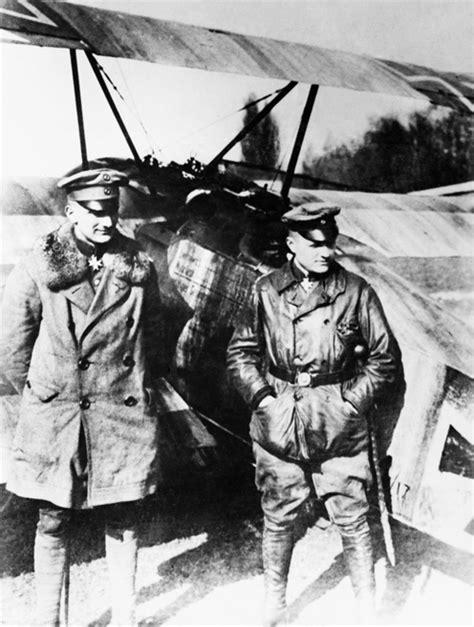
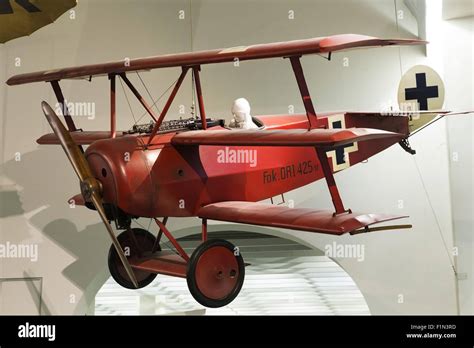
At the moment of his demise, Richthofen had already etched his name into the annals of history with 80 confirmed aerial victories, making him the war’s top-scoring ace. His bright crimson Fokker Dr.I triplane, emblazoned with distinctive markings, was both a terror in the sky and a symbol of personal flair and fearlessness.
From Prussian Cavalry to Master of the Skies
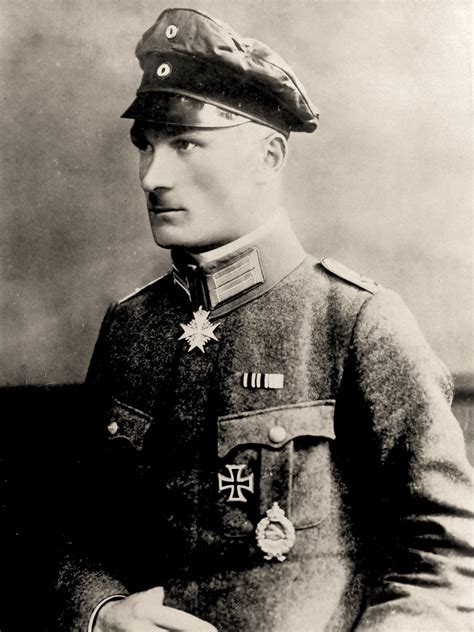
Born on May 2, 1892, in Breslau, Germany (now Wrocław, Poland), Manfred Albrecht Freiherr von Richthofen hailed from a family of Prussian nobility. Initially serving in the cavalry, the mechanized and entrenched nature of modern warfare in 1914 quickly rendered such units obsolete. Richthofen, disillusioned by the stagnancy of trench warfare, transferred to the Imperial German Army Air Service (Luftstreitkräfte) in 1915.
Under the mentorship of legendary ace Oswald Boelcke, Richthofen adopted not just the technical skill required for air combat, but also Boelcke’s tactical doctrines—particularly the “Dicta Boelcke,” which became foundational in aerial dogfighting. In short order, Richthofen began to distinguish himself.
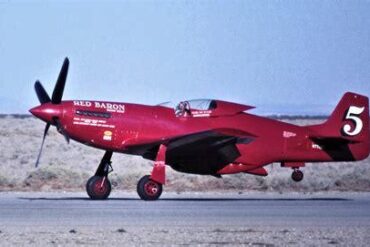
By 1917, he was leading Jagdgeschwader 1, nicknamed “The Flying Circus” for its vibrant colors and rapid mobility along the front. Flying an all-red aircraft—against prevailing camouflage logic—was more than vanity; it was a psychological weapon. Opponents recognized it instantly. Most feared it.
A Calculated Killer in the Air
Richthofen’s kill tally includes 33 single-seat fighters and 47 two-seaters, equating to a grim sum of 127 total crew members. Of these, 81 airmen perished—79 killed instantly, one as a prisoner of war, and another whose fate remains unknown. The remainder were wounded or captured. Surprisingly, despite operating in the heart of the Western Front, the Red Baron never recorded a confirmed kill against a French or Belgian pilot. His victims were predominantly British Empire aviators, including Canadians, Australians, and a few Americans flying under British command.
The Final Dogfight: April 21, 1918
On that fateful morning, Richthofen pursued a Sopwith Camel piloted by Wilfrid “Wop” May, a relatively inexperienced Canadian. Chasing him low over enemy lines, Richthofen committed a rare mistake: he violated his own tactical doctrine by flying deep into Allied territory at low altitude, fixated on his quarry. This maneuver exposed him to intense ground fire and intervention from other pilots.
Flying in support of May was Captain Arthur Roy Brown, another Canadian pilot and a more seasoned ace. Brown dived toward Richthofen and fired, but whether his bullets struck the German pilot remains debated. A more probable account points to Sergeant Cedric Popkin, an Australian anti-aircraft machine gunner, whose Vickers gun is believed to have delivered the fatal shot. Autopsy reports suggest a .303 caliber bullet entered Richthofen’s right side, passing through his chest and exiting near his left nipple—consistent with a shot from the ground.
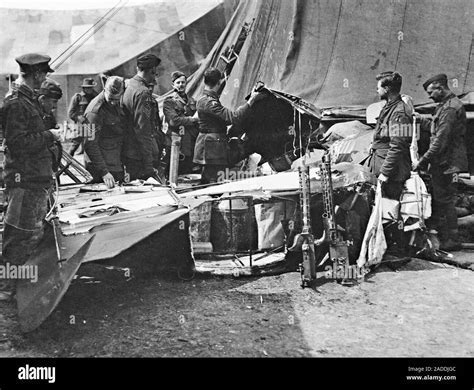
Richthofen crash-landed in a beet field near Sailly-le-Sec. He died almost immediately, strapped into his cockpit. Allied forces arrived quickly, surprised to discover they had brought down the infamous Red Baron.
The Aftermath: Honor Amidst War
Despite being the enemy, the Allies buried Richthofen with full military honors. His body was interred in a French cemetery, saluted by RAF officers. His epitaph bore the words: “To Our Gallant and Worthy Foe.” Later, his remains were moved several times—first to Germany during the Nazi era, then finally resting in the family crypt in Wiesbaden.
The fact that Richthofen was so deeply respected by both friends and foes illustrates his unique place in military lore. In an age of mass slaughter, he represented a romanticized image of individual valor, though one deeply steeped in nationalist propaganda.
Technology, Weight, and the Parachute Paradox
A haunting footnote to Richthofen’s death lies in the subject of parachutes, or rather, their absence. At the time, German pilots had begun to use early versions of parachutes. These devices, however, were extremely bulky—often weighing up to 70 kilograms (150 lbs). They degraded aircraft performance and were rarely issued to Allied pilots, particularly in fighter units. As a result, being shot down often guaranteed death, especially in low-altitude dogfights.
This technological limitation underscores the fragility of even the most elite pilots. Richthofen, flying low and slow in pursuit, had no real escape mechanism once exposed. His legacy, therefore, is not just one of triumph, but of tragedy born from the era’s limitations.
Legacy and Cultural Reverberation
Over a century later, Manfred von Richthofen endures as a symbol. He has inspired books, films, operas, and even frozen pizzas—where his name is co-opted in pop culture branding, demonstrating how far his notoriety has traveled from the mud-soaked fields of France. The nickname “Red Baron” has transcended time, applied to racecar drivers like Michael Schumacher, video game characters, and sports teams.
But beyond the cultural mythos lies a man both revered and controversial. A hero to some, a cog in the Kaiser’s imperial machine to others, the Red Baron’s story is inseparable from the broader tragedy of World War I—a conflict without true moral clarity, where individual bravery was often swallowed by senseless attrition.
Conclusion: A Meteor That Burned Too Bright
The death of Manfred von Richthofen marked not just the end of an ace, but the end of an era. By late 1918, the air war had evolved. Newer aircraft, better tactics, and harsher political realities made the romantic notions of the “knight of the air” obsolete. Yet, even now, the Red Baron remains frozen in time—forever 25, forever flying, a man who dared to paint his plane red and take on the world.
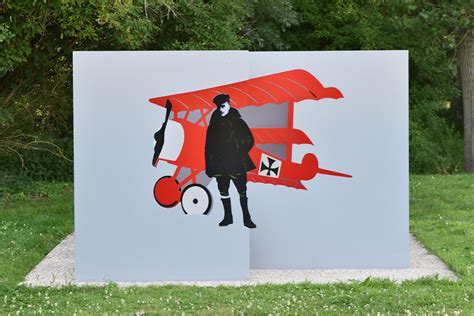
In remembering Richthofen 107 years later, we do more than honor a fallen pilot—we remember the strange duality of war: where death and dignity, horror and heroism, can exist within the same burning fuselage.