
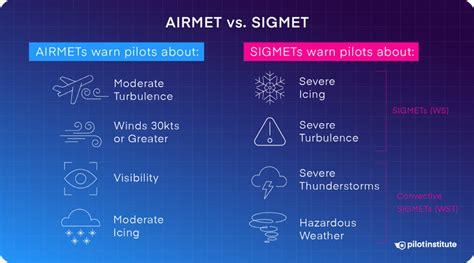
An AIRMET is a crucial weather message issued by meteorological watch offices. It provides information about weather phenomena that could impact the safety of low-level aircraft operations. This is especially important when these conditions aren’t included in the standard flight forecasts. Low-level operations typically refer to flights below FL100, or below FL150 in mountainous regions.
The AIRMET contains a clear and concise description of the weather issues using straightforward language. Some examples of the weather phenomena it might address include: surface wind speeds exceeding 30 knots, visibility dropping below 5000 meters, thunderstorms, and mountain obscuration. Additionally, it covers broken or overcast clouds with bases under 1000 feet, cumulonimbus clouds, and moderate to severe icing or turbulence. Mountain waves that are moderate to severe can also be highlighted. AIRMETs play an essential role in ensuring pilots are informed about potential hazards during their flights.