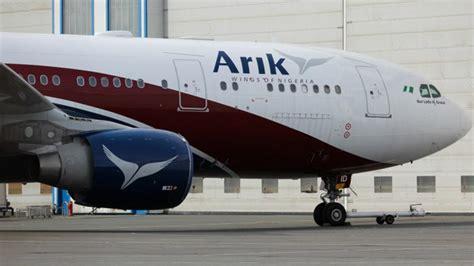
From its inception to its ambitious future plans, Arik Air has established itself as a symbol of Nigerian aviation excellence. Founded in 2002 and launching operations on 30 October 2006, Arik Air quickly positioned itself as the nation’s flagship private carrier, with strategic hubs at Murtala Muhammed International Airport in Lagos and Nnamdi Azikiwe International Airport in Abuja. Headquartered at the Arik Air Aviation Center in Ikeja, the airline’s sleek corporate campus reflects its dedication to modernity, operational efficiency, and world‑class customer service aimed at both regional and international travelers.
Over the past decade and a half, Arik Air has built an extensive network of 16 destinations across Africa, seamlessly connecting major economic centers and emerging markets. With a fleet of 14 aircraft and the Arik Affinity Wings frequent‑flyer program, the airline caters to business executives, leisure travelers, and diasporic communities seeking reliable connectivity within the continent. Under the stewardship of the Asset Management Corporation of Nigeria (AMCON), Arik Air continues to evolve its brand identity, service offerings, and route portfolio in order to meet the exacting standards of today’s global aviation industry.
At the core of Arik Air’s strategy lies a commitment to operational resilience and innovation. By leveraging wet‑lease partnerships, strategic fleet renewal, and key alliances, the carrier has navigated complex regulatory environments and economic headwinds. Its parent company, AMCON, has played a crucial role in stabilizing finances, facilitating forensic audits, and guiding the airline through a major restructuring process—ensuring that Arik Air remains a vital link in Africa’s air transport infrastructure.
History and Evolution of a Continental Leader
Arik Air emerged from the ashes of the defunct Nigeria Airways when aviation veteran Joseph Arumemi‑Ikhide founded the new carrier in 2004. Within two years, the airline secured authorization from the Federal Ministry of Aviation to operate flights to Trinidad & Tobago in the Caribbean, as well as key European capitals including Amsterdam, London, and Madrid. This early regulatory success set the stage for Arik Air’s rapid expansion beyond domestic routes.
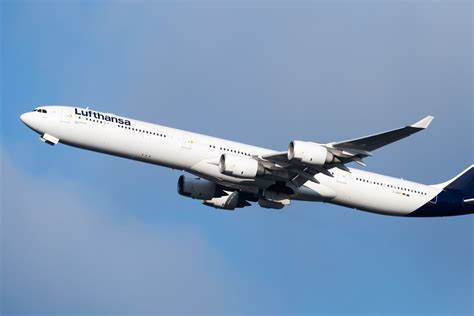
On 4 April 2008, the US Department of Transportation granted Arik Air the right to serve routes to the United States, marking a significant milestone in the airline’s quest for global relevance. By December of that year, Arik Air commenced its first international service to London–Heathrow, deploying a wet‑leased Airbus A340‑500 from Portuguese operator Hi Fly. The move showcased the airline’s readiness to adopt versatile fleet solutions and deliver premium passenger experiences on long‑haul sectors.
Pioneering International Routes and Network Growth
Building on its initial success, Arik Air inaugurated its Johannesburg service on 1 June 2009, tapping into one of sub‑Saharan Africa’s most lucrative air markets. Later that year, on 30 November 2009, the carrier launched flights to New York’s John F. Kennedy International Airport, further solidifying its reputation as a bridge between Africa and North America. In July 2014, Dubai International was added to the roster, granting passengers seamless connections to Asia and the Middle East. During this period, the short‑lived subsidiary Arik Niger (April 2009–February 2010) demonstrated the airline’s ambition to explore niche regional markets, even as the core operations remained focused on Lagos and Abuja hubs.
Milestones, Customer Growth, and Operational Challenges
Arik Air’s passenger volumes soared in the early 2010s, transporting its five‑millionth traveler on 6 August 2010 and celebrating the ten‑millionth on 18 September 2012—both on the bustling Lagos–Johannesburg corridor. These achievements underscored the airline’s capacity to scale operations while maintaining schedule integrity and on‑board service excellence. However, on 20 September 2012, domestic operations were abruptly suspended following a regulatory raid on the airline’s offices in Lagos, highlighting the operational risks inherent in the industry. By 23 September, flights had resumed, demonstrating Arik Air’s resilience and its ability to swiftly address compliance issues and restore passenger confidence.
Financial Turnaround and AMCON Intervention
Despite its early triumphs, Arik Air faced mounting financial pressure by the mid‑2010s. An order for five Boeing 777‑300ERs placed in 2011 was canceled, and a subsequent order for two Boeing 747‑8I aircraft in 2013 was maintained as a testament to the airline’s growth aspirations. In early 2017, however, the 747‑8I order was converted into a firm commitment for two Boeing 787‑9 Dreamliners, reflecting both shifting market demands and the carrier’s emphasis on fuel‑efficient, medium‑to‑long‑haul equipment.
The Asset Management Corporation of Nigeria stepped in at the start of 2017, deeming Arik Air “too big to fail.” Under AMCON’s stewardship, all flights outside Africa and services to Johannesburg were gradually suspended to conserve cash and streamline the route network. Simultaneously, KPMG was appointed to conduct a forensic audit, uncovering inefficiencies and guiding the reorganization process. Today, AMCON continues to systematically revive the carrier’s operations, renegotiate supplier contracts, and optimize the workforce—laying the groundwork for sustainable growth and a return to profitability.
Strategic Merger: The Birth of Nigeria Eagle
To resolve legacy debt and further strengthen Nigeria’s aviation sector, plans are underway to merge Arik Air with Aero Contractors under the new brand Nigeria Eagle. Although AMCON officially characterizes this as a start‑up initiative, industry insiders interpret it as a deliberate effort to reintroduce a national champion carrier. Several Arik Air aircraft have already been repainted in Nigeria Eagle livery, signaling that the airline ecosystem is on the cusp of a transformative relaunch. If successful, the combined entity will leverage complementary route networks, pooled technical expertise, and unified branding to compete more effectively against pan‑African rivals.
Fleet Composition and Technical Specifications
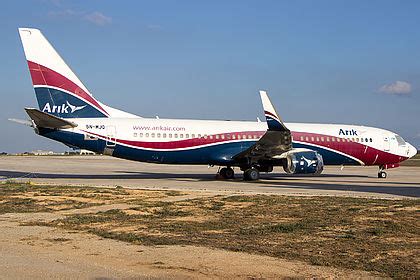
The current Arik Air fleet (as of November 2022) reflects a strategic mix of narrow‑body and regional turboprop aircraft tailored for varied mission profiles:
- 4× Boeing 737‑700 (12 Business Class, 112 Economy) – Ideal for high‑frequency domestic and short‑haul regional services.
- 3× Boeing 737‑800 (16 Business Class, 132 Economy) – Balanced capacity for trunk routes within West Africa.
- 3× Bombardier CRJ900 (10 Business Class, 65 Economy) – Efficient regional feeder operations to secondary airports.
- 4× De Havilland Dash 8‑400 (10 Business Class, 62 Economy) – Turboprop workhorse for short‑runway, low‑density destinations.
Pending orders for 8 Boeing 737 MAX 8 and 9 Boeing 787‑9 Dreamliners were slated for cancellation upon the Nigeria Eagle merger, illustrating the airline’s focus on rationalizing its long‑term fleet strategy. The Dreamliners, in particular, would have offered enhanced range and passenger comfort for transcontinental services, but their deferral aligns with AMCON’s conservative capital deployment plan.
Historical Fleet and Aircraft Legacy
Arik Air’s former fleet included a variety of wide‑body and regional jets that contributed to its rapid expansion:
From 2010 to 2017, four Airbus A330‑200s carried passengers to Europe and beyond, while two wet‑leased Airbus A340‑500s (2009–2015) enabled the iconic London–Heathrow service. Early regional growth relied on three Bombardier CRJ200ERs (2007–2008), three DHC‑8‑300 aircraft (2007–2010), and five Fokker 50 turboprops (2007–2011), each selected for their operational flexibility and efficiency on short‑haul sectors. This diverse historical fleet footprint underscores Arik Air’s willingness to adapt its equipment roster in pursuit of market opportunities.
Safety Record and Incident Management
Arik Air maintains a commendable safety record, bolstered by rigorous crew training, proactive maintenance programs, and adherence to international regulatory standards. On 8 March 2018, Flight W3 304 from Lagos to Accra declared an emergency after detecting smoke in the cabin approximately 81 miles from its destination. The Bombardier Dash 8 Q400 diverted safely to Kotoka International Airport in Accra, and all passengers and crew disembarked without injury. The incident response highlighted the airline’s robust emergency protocols, transparent communication practices, and unwavering commitment to passenger welfare.
The Road Ahead: Building Africa’s Most Valued Airline
As Arik Air transitions into the Nigeria Eagle era, the combined airline will inherit a powerful legacy of connectivity, innovation, and service excellence. Key priorities include restoring suspended routes, modernizing the fleet with fuel‑efficient aircraft, and enhancing digital customer touchpoints—from seamless mobile check‑in to personalized loyalty rewards through the Arik Affinity Wings program.
Furthermore, strategic partnerships with global carriers and membership in interline agreements will expand the airline’s reach beyond Africa’s borders, driving tourism, trade, and investment. With Nigeria’s economy poised for renewed growth and intra‑African trade on the rise, the new entity stands ready to capitalize on increased passenger demand and cargo opportunities.
In the dynamic landscape of African aviation, Arik Air’s evolution—from a post‑Nigeria Airways start‑up to a cornerstone of continental connectivity—serves as a testament to visionary leadership and operational adaptability. Under the banner of Nigeria Eagle, the airline is set to soar higher, delivering world‑class experiences that redefine air travel standards across the continent and beyond.