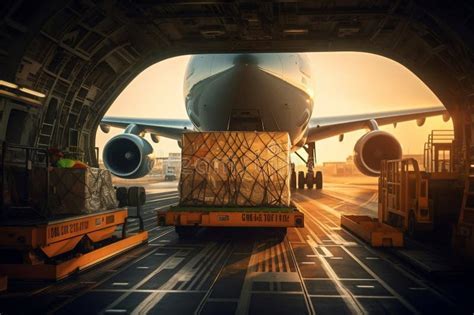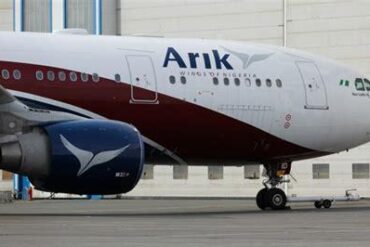
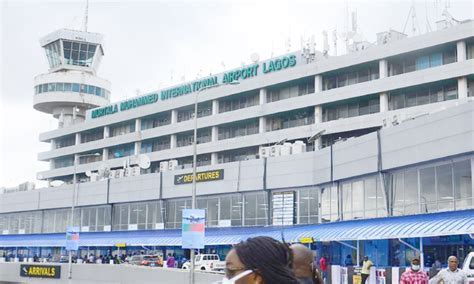
Founded in 1998, Allied Air has established itself as a pillar of West Africa’s cargo aviation industry, operating out of Lagos, Nigeria. With a commitment to dependable logistics and regional connectivity, Allied Air is not only a vital player in Nigeria’s commercial aviation landscape but also a strategic conduit for cargo across sub-Saharan Africa and into Europe. Operating scheduled and charter services, the company continues to thrive under the leadership of CEO Val Tongo, with its operational hub firmly rooted at Murtala Mohammed International Airport in Lagos.
Allied Air’s emergence in a rapidly evolving market underscores the critical role of specialized cargo airlines in fostering economic growth and regional integration. As Nigeria’s logistics demands intensified in the late 1990s, the establishment of Allied Air responded directly to these shifts, offering businesses across the continent a reliable alternative for air freight.
Strategic Growth and Recapitalization Amid Regulatory Shifts
The airline’s endurance is notably marked by its successful compliance with a 2007 Nigerian Civil Aviation Authority (NCAA) mandate requiring all operating airlines to recapitalize or face grounding. While many carriers succumbed to the directive, Allied Air secured its financial and operational status, emerging as one of the few carriers to continue service under stricter regulatory oversight. This move not only reinforced Allied Air’s resilience but signaled its capacity for sustainable growth in a high-stakes regulatory environment.
Such recapitalization efforts allowed Allied Air to invest in its fleet and service infrastructure, distinguishing it from competitors that failed to adapt. By prioritizing safety, compliance, and modernization, the company positioned itself for long-term viability in a landscape where many faltered.
Fleet and Technical Capabilities: Focused, Flexible, and Freight-Optimized
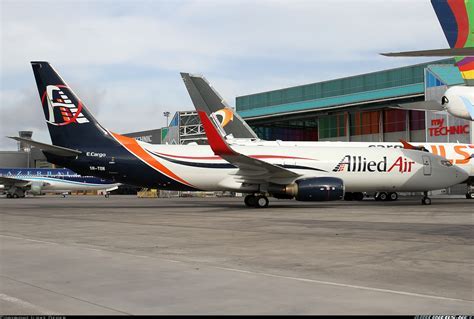
Allied Air operates a focused fleet optimized for medium-haul cargo operations. As of February 2021, the fleet comprises:
- Three Boeing 737-400F aircraft, including one operating on behalf of DHL Aviation
- One Boeing 737-800F
This fleet mix reflects a strategic emphasis on efficiency, reliability, and payload optimization for intra-African and select intercontinental routes. The Boeing 737 variants, particularly in freighter configuration, offer Allied Air an ideal balance between range and cargo capacity, making them especially well-suited for the African continent’s fragmented aviation infrastructure.
Previously, the airline operated Boeing 727-200Fs, which were phased out in favor of newer models better aligned with today’s aviation safety and environmental standards.
Regional Reach: Connecting Africa’s Commercial Capitals
Allied Air’s scheduled routes form a logistics spine that spans key African economies. These destinations include:
- Accra, Ghana
- Freetown, Sierra Leone
- Monrovia, Liberia
- Entebbe, Uganda
- Malabo, Equatorial Guinea
- Liege, Belgium (as a European hub)
By operating consistent freight services to these locations, Allied Air bridges vital commercial corridors across West and Central Africa, linking ports, production centers, and inland markets to global supply chains. Its service to Liege, one of Europe’s largest air cargo hubs, integrates the airline into international logistics frameworks, allowing Nigerian and African exporters easier access to European markets.
Leadership and Vision: A Cargo-First Philosophy
Under the guidance of CEO Val Tongo, Allied Air has remained steadfast in its focus on cargo-exclusive operations, avoiding the complexities of passenger aviation. This cargo-first philosophy allows for greater flexibility, route efficiency, and aircraft utilization, enabling the airline to pivot quickly in response to dynamic market conditions or logistical demands.
The airline’s strategic restraint from branching into passenger services has proven beneficial, especially during COVID-era disruptions, when cargo operations remained a lifeline for global supply chains. Allied Air’s steadfast model insulated it from the passenger downturn and allowed it to capitalize on soaring demand for freight logistics.
Safety Record and Incident Analysis
Despite its operational success, Allied Air’s history is not without incident. The airline has experienced two notable runway excursions, which serve as crucial case studies for risk management and safety reinforcement in African aviation:
- June 2, 2012 – Accra, Ghana: A Boeing 727-200F overran the runway at Kotoka International Airport and crashed through a boundary fence, tragically killing 10 individuals in a minivan. While the crew sustained minor injuries, the incident spotlighted concerns around older aircraft models and prompted scrutiny of safety protocols.
- December 11, 2024 – Abuja, Nigeria: A Boeing 737-400F, designated Flight 206, skidded off the runway at Nnamdi Azikiwe International Airport. Though the aircraft sustained significant damage, no injuries were reported among the five crew members. Early reports indicate wet runway conditions and possible braking system failure.
In response, Allied Air has demonstrated transparency and commitment to corrective action, enhancing its operational audits, investing in modern avionics, and improving crew training programs aligned with ICAO and NCAA standards.
Allied Air in the Continental Context: Africa’s Rising Cargo Titans
In the broader African aviation landscape, Allied Air stands out as a rare independent freight carrier with both regional penetration and intercontinental links. While larger carriers like Ethiopian Airlines or South African Airways Cargo dominate pan-African logistics, Allied Air’s niche expertise enables it to excel in markets that larger players may overlook.
The airline has capitalized on Nigeria’s central geographic location, vibrant entrepreneurial base, and growing e-commerce and manufacturing sectors to ensure year-round demand for freight. As African governments continue to invest in cross-border infrastructure, Allied Air is poised to become a crucial logistics node, facilitating intra-African trade under initiatives like the African Continental Free Trade Area (AfCFTA).
Challenges and Opportunities in African Cargo Aviation
Despite its success, Allied Air operates within a highly volatile environment, where political instability, infrastructural inconsistencies, and fluctuating fuel prices remain persistent challenges. African airlines, particularly cargo carriers, often contend with outdated airport infrastructure, unpredictable customs processes, and limited regional cooperation.
However, Allied Air’s lean operating model, strong brand reputation, and strategic partnerships (notably with DHL) offer it a competitive edge. With increasing investment in air freight infrastructure, digital tracking systems, and customs modernization, the African cargo sector is on the cusp of transformation—and Allied Air is well-positioned to lead it.
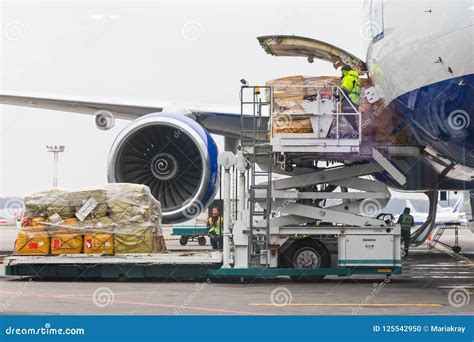
Looking Ahead: Fleet Expansion and Digital Innovation
Allied Air’s future trajectory hinges on fleet modernization, technological upgrades, and strategic route expansion. The potential acquisition of additional Boeing 737-800Fs or freighter-converted Airbus A321s would allow for increased cargo volume with lower fuel consumption and emissions.
Digital transformation is also key. By integrating real-time tracking, AI-assisted logistics planning, and predictive maintenance software, Allied Air can enhance its operational efficiency, reduce turnaround times, and improve customer satisfaction across its cargo network.
Furthermore, as global trade dynamics shift and Africa’s consumer markets expand, Allied Air could extend its reach to emerging economies in East Africa, the Middle East, and Asia, establishing new corridors of commerce from Lagos to the world.
Conclusion: A Trusted Cargo Partner in Africa’s Aviation Future
Allied Air exemplifies what a focused, resilient, and regionally attuned cargo airline can achieve in Africa’s challenging aviation sector. From its Lagos base, it supports industries, connects markets, and moves essential goods across borders with precision, professionalism, and persistence. With a proven track record, a forward-looking leadership team, and growing demand for air freight, Allied Air is not only surviving—it is leading Africa’s cargo future, one flight at a time.