When it comes to modern aviation, electronic logbooks for pilots have become an essential tool for streamlining record-keeping, ensuring regulatory compliance, and enhancing flight data analysis. With numerous options on the market, selecting the right one demands careful evaluation of features, usability, platform compatibility, and long-term support.
MyFlightBook: The Top Choice for Versatility and Value
MyFlightBook stands out as a premier choice among digital logbooks. It offers unparalleled flexibility across different platforms—Windows, macOS, Android, and iOS—ensuring pilots can access their logbooks anytime, anywhere. Unlike many competitors, MyFlightBook operates on a donation-based model, making it highly cost-effective without sacrificing functionality.
What truly differentiates MyFlightBook is its highly active developer support. Users frequently commend the rapid responsiveness to feature requests and bug fixes, even during weekends. Features such as bulk upload from Excel sheets, detailed reporting (hours per type, currency status, progress towards ratings), and an intuitive web interface make it an attractive option for both student pilots and seasoned airline transport professionals.
MyFlightBook’s customizable report generation allows pilots to monitor total time, flight types, airports visited, aerobatic maneuvers, and more. It supports electronic signatures and exports data for seamless backup, giving users complete control over their flight records without the fear of vendor lock-in.
ForeFlight Logbook: The Perfect Companion for ForeFlight Users
For pilots already integrated into the ForeFlight ecosystem, the built-in logbook provides an elegant, seamless experience. ForeFlight’s logbook effortlessly syncs with track logs, allowing automated capture of flight details like duration, routing, and weather conditions. The ability to request signatures electronically and view a comprehensive report on currencies and ratings enhances usability for instructors and professional pilots.
However, ForeFlight’s logbook may not be ideal as a standalone solution. Some users have reported significant storage issues, especially when using the Sentry device for in-flight data capture. Massive background files can consume device storage rapidly, necessitating occasional tech support interventions.
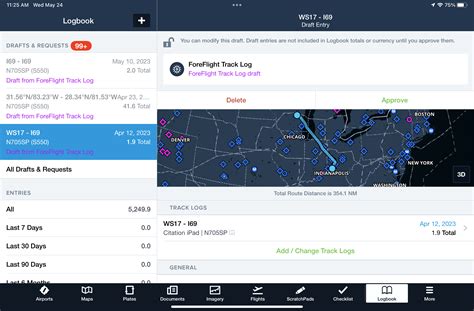
Despite minor drawbacks, ForeFlight’s logbook excels when bundled with the suite’s additional capabilities like flight planning and weather briefing, offering a consolidated solution for pilots serious about streamlining their cockpit workflow.
LogTen Pro: Premium Features for Professional Pilots
LogTen Pro has long been the go-to logbook for professional pilots operating under FAR Part 121, EASA, or similar regulatory frameworks. Its cloud sync feature across iPhone, iPad, and Mac devices ensures pilots always have an up-to-date logbook at their fingertips. The application shines in customization, offering detailed tracking of rest periods (FAR 117 and 121 compliance), duty limits, and sophisticated analytics.
LogTen Pro’s ability to generate extremely detailed, customizable reports makes it ideal for airline pilots preparing for recurrent training, upgrading, or moving between companies. Additionally, the direct sync with Pilot Credentials speeds up the process of updating training and qualification documents.

However, it’s important to note that LogTen Pro comes with a hefty subscription cost. This, combined with the lack of a web portal, has led some pilots to seek alternatives. Nonetheless, for those entrenched in the Apple ecosystem who require deep data analysis, LogTen remains a powerhouse.
Crewlounge PILOTLOG: Cost-Effective Alternative for Company Roster Syncing
For pilots seeking a lower-cost, professional-grade solution, Crewlounge PILOTLOG deserves serious consideration. At approximately $34 per year, it offers features typically reserved for far more expensive platforms.
PILOTLOG’s major strength lies in its ability to synchronize directly with airline company rosters, minimizing manual entry. Pilots simply verify the Pilot Flying (PF) or Pilot Monitoring (PM) roles and confirm the approach types after each flight. Furthermore, it supports both Android and PC, making it a rare find in a market dominated by Apple-centric apps.
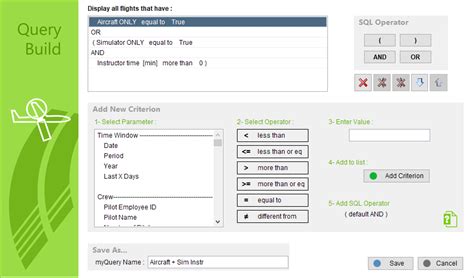
With cloud backup, offline capabilities, and customizable reporting, CrewLounge PILOTLOG is an excellent choice for commercial pilots, particularly those operating outside the U.S. aviation market.
ZuluLog: A Simple Yet Effective Legacy Choice
While ZuluLog may not boast the latest flashy interfaces, it remains a trusted solution for pilots who value simplicity. ZuluLog offers cloud-based access via a web browser, making it device-independent. Although its export features are less polished compared to newer competitors, pilots have found it dependable for maintaining a consistent digital record over the years.
ZuluLog supports custom fields, endorsements, and signature captures. It is well-suited for pilots who prefer a straightforward platform without the learning curve often associated with more feature-heavy applications.

Choosing the Best Electronic Logbook for Your Needs
Selecting the right electronic logbook depends heavily on a pilot’s flying activities, technical needs, and budget.
- For hobbyists or flight students, MyFlightBook offers an unbeatable combination of functionality, support, and cost.
- For pilots heavily integrated with ForeFlight, sticking with its logbook module maintains seamless operational continuity.
- For airline and corporate pilots, LogTen Pro’s depth of customization and duty tracking may justify its subscription model.
- For roster-driven operations, CrewLounge PILOTLOG provides a valuable, budget-friendly solution.
- For minimalists, ZuluLog remains a sturdy and uncomplicated choice.
Critical factors to consider include platform compatibility, report flexibility, customer support responsiveness, data portability, and whether the logbook supports features like electronic endorsements and company integration.
Future of Electronic Logbooks in Aviation
As aviation technology evolves, the expectation for electronic logbooks to offer smarter integrations with aircraft systems, regulatory authorities, and pilot training management platforms will only grow. Artificial intelligence may soon assist pilots by auto-filling entries based on ADS-B data and cross-referencing certifications with upcoming flight schedules.
Cloud-based solutions with automatic syncing and advanced analytics are now the industry standard, and any logbook that fails to keep up with these trends risks obsolescence. Developers who prioritize regular updates, cybersecurity, and data portability will continue to dominate the field.
Ultimately, the best electronic logbook is one that not only records flights but also enhances the professional life of a pilot, offering insights that sharpen skills, ease regulatory burdens, and prepare aviators for career advancement.
Choosing wisely today ensures an effortless transition into the next generation of flight logging tomorrow.