As a pilot, maintaining proficiency is crucial for both safety and confidence in your flying abilities. The flight review, a mandatory requirement under FAR 61.56, is a key process to ensure you remain current and prepared for all types of aviation operations. This review must be completed every 24 calendar months to renew your privileges, ensuring that you are capable of operating an aircraft safely within the confines of your license. Although it is not a formal test or checkride, the flight review serves as an opportunity for pilots to hone their skills, refresh their knowledge, and discuss any areas that might require improvement.
Purpose of the Flight Review
The flight review’s primary goal is to evaluate a pilot’s knowledge and proficiency. It ensures that pilots are up-to-date with aviation standards, regulations, and best practices, and can confidently exercise the privileges associated with their certificates. Rather than acting as a pass/fail test, it focuses on collaborative learning, where instructors and pilots work together to address knowledge gaps and refine skills. It is a proactive step to improve pilot performance, ensuring both the pilot and their passengers’ safety.
While many pilots may think of the flight review as just another hoop to jump through, it offers a unique chance to reflect on personal weaknesses or areas that could use improvement, whether that be in knowledge of airspace classifications, weather interpretation, or emergency procedures.
Components of the Flight Review
The flight review consists of two main components: ground instruction and flight instruction. Each section lasts a minimum of one hour, though it may extend based on the pilot’s needs and the instructor’s judgment.
Ground Instruction
The ground portion of the flight review typically begins with a review of essential aeronautical knowledge. Here, pilots refresh themselves on a variety of critical subjects to ensure that they can handle all the potential scenarios that could arise in the cockpit.
Airspace Understanding
A thorough understanding of different types of airspace is fundamental. The review will cover controlled, uncontrolled, and special-use airspaces, along with any recent changes in airspace classification or operational procedures. Pilots need to ensure they understand the specific rules and protocols for each airspace, including communication requirements and operational boundaries.
Weather Interpretation
Weather plays a major role in flight planning and decision-making. Pilots will revisit how to interpret weather reports like TAFs (Terminal Aerodrome Forecasts), METARs, and PIREPs. In addition to this, the instructor will assess the pilot’s ability to make sound decisions based on weather conditions, ensuring that pilots are not only aware of current weather but also of potential weather shifts.
Regulatory Updates
Airspace rules and regulations can change frequently. The flight review provides an opportunity to discuss and review the most recent updates to FAA regulations, particularly those that affect flight operations, recency of experience, and medical requirements.
Aeronautical Decision-Making (ADM)
ADM is a vital part of a pilot’s training, focusing on a pilot’s approach to decision-making and risk management in various scenarios. During the ground portion, you’ll review how you approach situations, whether in high-stress environments or during routine operations. This portion often includes examining how pilots use checklists, assess risks, and mitigate potential safety hazards.
Flight Instruction
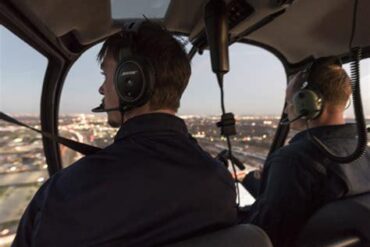
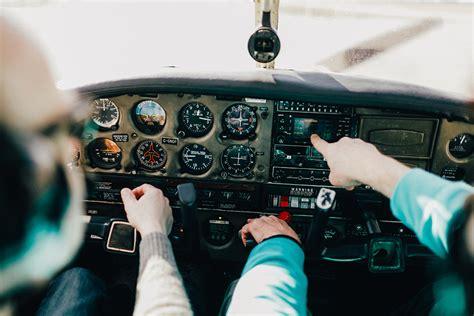
The flight portion is where the rubber meets the road. Your instructor will focus on your practical abilities in the air, ensuring that you can perform safely and competently during various flight scenarios.
Preflight Procedures
A comprehensive preflight procedure is the cornerstone of every successful flight. The instructor will evaluate how you conduct a preflight inspection, paying special attention to how you assess weather, aircraft performance, and weight and balance considerations. It’s important to demonstrate thoroughness, as these are critical elements that ensure the aircraft is in optimal condition for the flight.
Basic Maneuvers
Expect to demonstrate a variety of standard flight maneuvers to prove your proficiency in handling the aircraft. These could include steep turns, stall recovery, slow flight, and pattern work. The goal is to ensure you can control the aircraft under various conditions and that you maintain a stable flight path throughout these maneuvers.
Emergency Procedures
A major portion of the flight review will focus on emergency procedures. The instructor may simulate situations such as engine failures, electrical malfunctions, or other in-flight anomalies to assess how you handle high-pressure situations. Your responses to these simulated emergencies will show your ability to react effectively and safely under stress.
Navigation and Communication
Pilots will also need to demonstrate their proficiency in navigation and radio communication. Whether using GPS or autopilot systems, the instructor will ensure that you can perform basic navigation tasks. This also includes handling both towered and non-towered airport operations, demonstrating your ability to communicate clearly and effectively with air traffic control (ATC).
Tips for a Successful Flight Review
To make the most out of your flight review, there are several important steps you can take to prepare.
Refresh Your Knowledge
Make sure you study key topics that you might not encounter frequently, such as airspace regulations, weather interpretation, and emergency procedures. Resources like Sporty’s Flight Review and AOPA’s Rusty Pilots Course can help you brush up on essential concepts and ensure you’re ready.
Bring Documentation
Ensure that you bring all the necessary documentation, including your pilot’s license, medical certificate (or BasicMed), logbook, and a photo ID. This is essential for completing the flight review and allowing the instructor to verify your flying history.
Be Open to Feedback
Remember that the flight review is not a test—it is an opportunity for growth. Approach it with an open mind and be ready to accept constructive feedback. Use the review as a chance to address any knowledge gaps or areas that need improvement.
Tailor the Review to Your Needs
If you often fly in specific environments, such as mountainous terrain or congested airspace, let your instructor know. Tailoring the flight review to your particular flying needs can make the experience more relevant and useful.
Stay Current Between Reviews
Though the flight review is required every two years, it’s a good idea to stay current by completing periodic training or checkouts with an instructor. This helps ensure that your skills remain sharp, especially if you haven’t flown in a while.
After the Flight Review
Once the review is complete, your instructor will sign your logbook to confirm that you have met the requirements for the flight review. However, it’s important to note that completing the flight review does not automatically renew your privileges for carrying passengers at night, as separate currency requirements apply.
Ultimately, the flight review is an invaluable opportunity to sharpen your skills and ensure you are operating safely and effectively as a pilot. Rather than viewing it as a burden, consider it an essential part of your continuous improvement in aviation. By approaching it with the right mindset, you’ll not only meet regulatory requirements but also become a more competent, confident pilot.
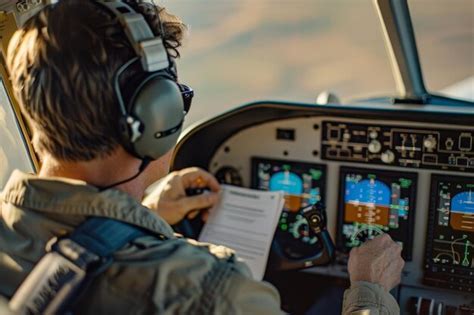
Fly safely, and take every opportunity to enhance your skills, because the journey of learning never truly ends in aviation.