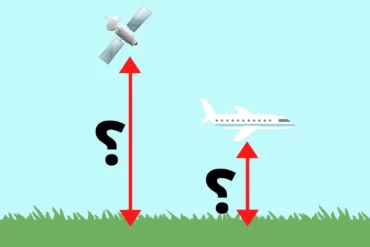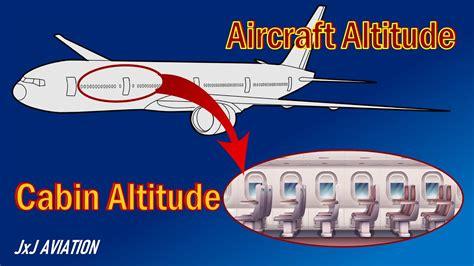
Cabin altitude refers to the pressure inside an aircraft, expressed as an equivalent altitude above sea level. Typically, the cabin pressure of pressurized aircraft is kept at or below 8,000 feet. This level strikes a balance between what passengers and crew need for comfort and the aircraft’s structural capabilities. At 8,000 feet, supplemental oxygen is not necessary.
There are occasions when the crew may opt to keep cabin pressure closer to sea level. This decision can be influenced by various factors. For instance, some military transport aircraft may carry sensitive cargo like volatile chemicals or explosives that require stable pressure conditions. Additionally, passengers with certain medical conditions might be adversely affected by pressure changes. In these scenarios, the aircraft may need to fly at a lower cruising altitude to maintain a safer cabin altitude without compromising structural integrity. Such adjustments can affect flight routing and range, as lower altitudes may lead to higher fuel consumption.
Cabin altitude is monitored using a cabin altimeter, which often works alongside a cabin differential pressure gauge. To ensure safety, warning systems are integrated to alert the crew in case of excessive cabin altitude or loss of pressurization.