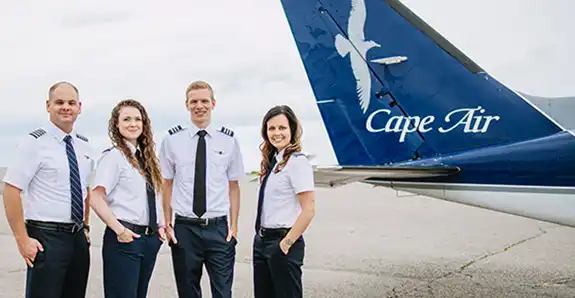
Cape Air, officially known as Hyannis Air Service Inc., has steadily evolved from a humble commuter operation into one of the most enduring regional airlines in the United States, marked by a deeply rooted community ethos and ambitious cross-regional expansion. With its headquarters nestled at Cape Cod Gateway Airport in Hyannis, Massachusetts, the airline operates a complex mesh of passenger routes that link small communities to larger hubs, providing essential services that transcend commercial imperatives.
Founded in 1989 by aviation entrepreneurs Craig Stewart, Dan Wolf, and Grant Wilson, Cape Air initially served the Provincetown to Boston corridor. This inaugural route laid the groundwork for a broader mission: to connect underserved regions through reliable and high-frequency air service. From this modest beginning, Cape Air cultivated a robust operational framework that now spans three strategic networks: the Northeast United States, the Caribbean, and Eastern Montana.
Strategic Growth and Diversified Route Development
Throughout the 1990s, Cape Air expanded across Cape Cod and New England, bolstered by its 1994 merger with Nantucket Airlines. This acquisition unified two core regional services under a shared infrastructure, allowing for tighter schedule coordination and a broader footprint. In 1993, Cape Air ventured into Florida and by 1998, the airline made its boldest move yet—international expansion into the Caribbean through a base at San Juan, Puerto Rico. This marked a turning point, adding exotic locales like Anguilla, St. Kitts & Nevis, and Tortola to its schedule.
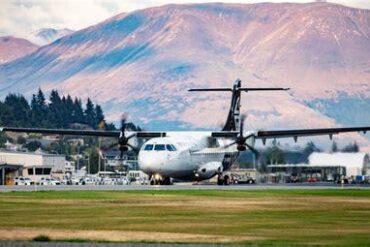
The airline’s capacity for adaptability was further underscored in 2004 when it acquired FAR Part 121 certification, enabling operations with larger aircraft such as the ATR 42 turboprop. This certification supported Cape Air’s contract with Continental Connection in Guam—a service that connected the Northern Mariana Islands and earned the moniker “America’s First Flight” due to its strategic Pacific location.
By 2007 and 2008, Cape Air took advantage of the U.S. Department of Transportation’s Essential Air Service (EAS) program to establish presence in underserved areas like Vermont, New York, New Hampshire, and Indiana. Though some routes were later discontinued due to financial or logistical considerations, the Montana EAS routes initiated in 2013 proved sustainable, with Billings serving as the anchor hub.
Fleet Evolution and Transition Toward Sustainability
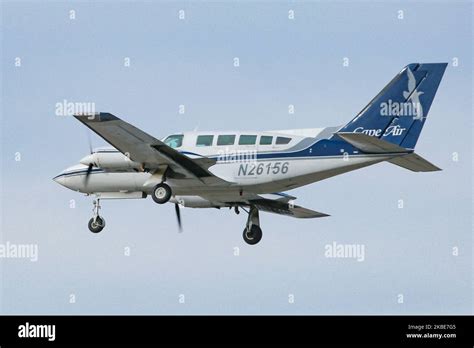
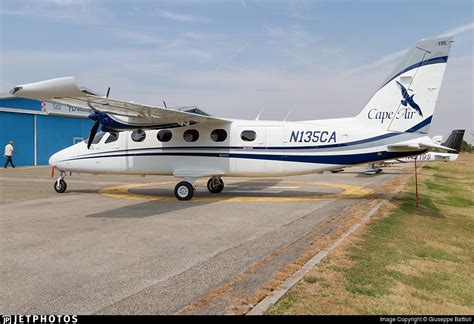
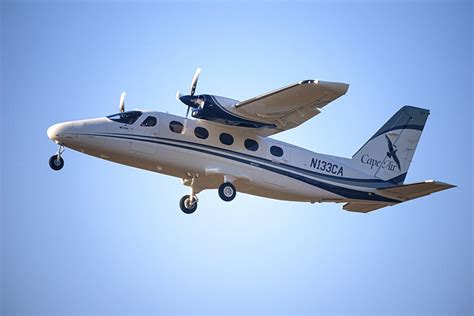
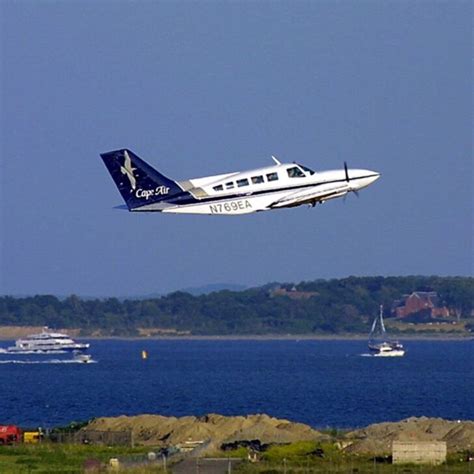
Cape Air has long relied on the Cessna 402C as the backbone of its operations. With 64 of these workhorses, the aircraft’s versatility and short-field performance aligned well with Cape Air’s regional mission. However, recognizing the need for modernization, Cape Air has been phasing out the aging Cessnas in favor of 30 Tecnam P2012 Travellers, a state-of-the-art piston twin designed specifically for short-haul regional service. The Travellers offer enhanced fuel efficiency, better payload flexibility, and superior comfort for passengers.
The fleet also includes four Britten-Norman Islanders, mainly deployed for very short regional hops with minimal runway infrastructure. Looking forward, Cape Air has signaled its commitment to innovation and environmental stewardship through its pending order of the Eviation Alice, an all-electric aircraft slated to revolutionize regional air transport with zero-emissions capability.
Pilot Pipeline and Training Excellence
Cape Air not only offers vital connectivity—it also acts as a critical stepping stone for emerging pilots. Entry-level co-pilots typically require between 500 to 750 flight hours, with an opportunity to upgrade to captain after reaching 1,500 hours. The airline has built strong career progression pathways, with many graduates moving on to major carriers such as JetBlue Airways and Spirit Airlines.
Interestingly, Cape Air also welcomes pilots over 65, provided they maintain a valid first-class FAA medical certificate. This inclusivity ensures that experienced aviators can continue contributing meaningfully while mentoring the next generation.
Nantucket Airlines: The Intra-Island Specialist
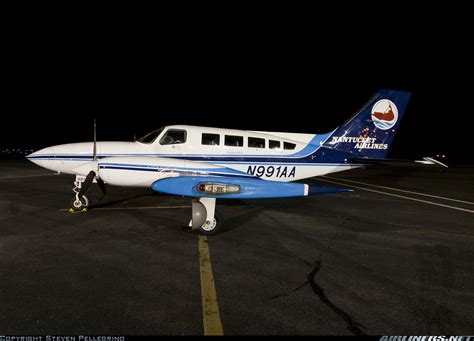
As a wholly owned subsidiary, Nantucket Airlines has operated under its own brand since the 1994 merger. Specializing in high-frequency shuttles between Nantucket and Hyannis, the airline’s operations rely exclusively on the Cessna 402C, with multiple daily flights that cater to both tourists and locals alike. Nantucket Airlines is vital for Cape Cod’s island communities, where ferry alternatives are weather-dependent and slower.
Codeshare and Interline Connectivity
Cape Air’s mission to provide seamless travel goes beyond its own destinations. Through codeshare agreements with JetBlue, American Airlines, and United Airlines, passengers can check baggage through and book tickets directly across partner networks. Additionally, Cape Air maintains interline partnerships with Alaska Airlines, Condor, Delta, Hahn Air, Hawaiian Airlines, and even Qatar Airways. These agreements expand customer options, enabling even remote Montana or Caribbean travelers to connect efficiently to global destinations.
Infrastructure and Operational Hubs
Cape Air’s primary base of operations is in Hyannis, but it also runs strategic mini-hubs in San Juan, Billings, and Boston Logan International Airport. Notably, Cape Air operates the Boston Harbor Seaplane Base (BNH), which adds a layer of multimodal versatility that few regional carriers offer. The seaplane service caters to high-end leisure travelers and business commuters, offering ultra-convenient transfers to downtown Boston from select island communities.
Passenger Volume and Financial Performance
By 2014, Cape Air was carrying 750,000 passengers annually, performing around 550 flights per day, and generating $120 million in revenue. Such figures are remarkable for a Part 135 commuter carrier, signaling operational excellence and commercial viability in markets many larger airlines deem unprofitable. The airline’s ability to combine community service with financial pragmatism has been a hallmark of its strategy.
Safety Incidents and Operational Resilience
Over its long operational history, Cape Air has dealt with multiple incidents that tested its resilience. A nationwide grounding of its Cessna 402C fleet in 2007 disrupted operations but also spurred internal audits that strengthened maintenance protocols. A tragic 2008 crash caused by pilot spatial disorientation led to enhanced training programs.
In 2009, one of the airline’s aircraft successfully conducted an emergency landing following dual-engine failure—an event that underscored pilot skill and training rigor. More recent incidents, including a 2021 tree strike during a go-around and a 2024 one-wheel landing at Boston Logan, have kept safety oversight in the spotlight. In each case, Cape Air responded with transparency and procedural updates.
Conclusion: A Model for Regional Aviation’s Future
Cape Air stands today not merely as a regional airline, but as a model of decentralized aviation, connecting isolated communities, supporting pilot development, and embracing sustainable technologies. Its multi-decade resilience, diverse operational footprint, and visionary leadership under President Linda Markham ensure it continues playing a pivotal role in America’s complex airspace ecosystem.
As the airline transitions toward electrification and deeper partnerships, Cape Air remains an embodiment of what localized air mobility can achieve when guided by practical innovation, ethical business practices, and long-term commitment to community service.