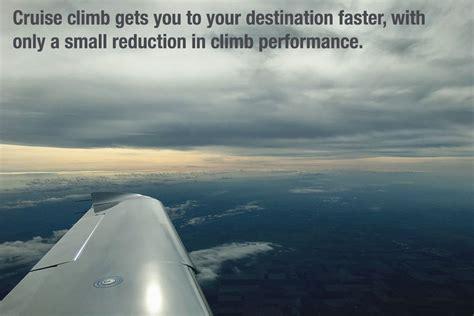
Cruise climb is a flying technique that helps an airplane gain altitude while using fuel efficiently. As the plane burns fuel, it becomes lighter, which means it needs less lift to stay balanced. This situation allows the aircraft to either increase its speed, rise in altitude, or reduce engine thrust. While increasing speed can raise drag and fuel consumption, reducing thrust puts the engine in a less efficient mode. On the other hand, climbing higher helps maintain engine settings and lowers drag due to less dense air.
However, cruise climb has some downsides, especially in busy airspaces like Europe and the USA. In these areas, traffic levels are high, making it difficult for controllers to allow one aircraft to perform a cruise climb without affecting others. If an aircraft is climbing slowly at a low vertical speed, it might occupy a level but not be available for another aircraft to use. According to ICAO Doc 4444, if one aircraft is cruising at a higher altitude, controllers cannot clear another aircraft to occupy the level just vacated.
Another factor to consider is whether the aircraft can reach its final altitude before leaving the sector. In busy airspace, the time spent in each sector usually lasts between 5 to 20 minutes, limiting large altitude changes at a slow climb rate. If cruise climbing is to be used, it must be clearly outlined in local instructions or agreements between air traffic service units.
Historically, the Concorde utilized cruise climb during its transatlantic flights, as it flew above most other traffic, typically between FL 450 and FL 600. Aircraft allowed to use this technique receive clearances to operate between specific levels or above a certain altitude. Controllers communicate these clearances with phrases like “CRUISE CLIMB BETWEEN (levels)” or “CRUISE CLIMB ABOVE (level).” In flight plans, the start of a cruise climb is indicated in field 15 with symbols showing location, speed, and levels, such as “C/48N050W/M082F290F350,” meaning the climb starts at 48 degrees North, 50 degrees West, at Mach 0.82 between FL290 and FL350. If the climb is planned above a certain level, it will be noted using the “PLUS” string instead of the second level.