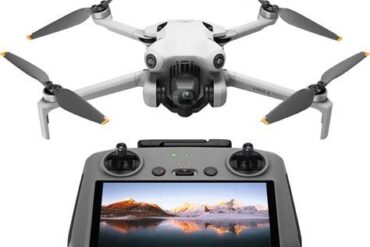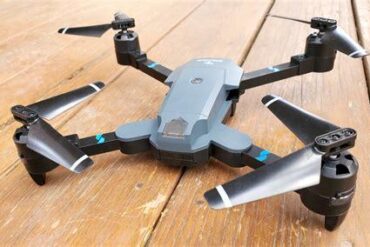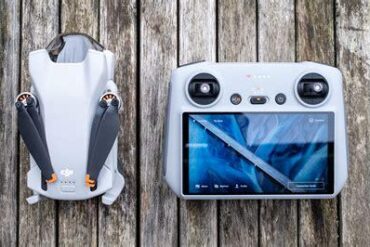
The drone industry has witnessed a meteoric rise, transforming these aerial devices from niche military hardware and simple consumer playthings into indispensable tools across a multitude of sectors. This technological evolution, however, often comes with a significant price tag. Professional-grade drones can command investments stretching into thousands, or even hundreds of thousands, of dollars, placing them far beyond the reach of casual enthusiasts or those just beginning their aerial journey. Fortunately, the market has responded with a growing segment of more affordable drones, particularly those priced under the $500 threshold. Navigating this budget-friendly space can be treacherous; the allure of low prices often masks a steep decline in product quality and performance. Many online sources, driven by commission rather than expertise, tout subpar models, leading to disappointment and wasted expenditure. This guide cuts through the noise, offering an expert-curated selection of the top 5 best drones under $500 that genuinely deliver value, performance, and an enjoyable flying experience, ensuring your investment is a sound one.
Key Considerations Before You Buy Your Sub-$500 Drone
Before you embark on your quest for the perfect affordable drone, it’s crucial to arm yourself with knowledge. Making an informed decision involves carefully evaluating several key factors that will significantly impact your satisfaction and the drone’s utility for your specific needs. We’ve distilled these down to the most critical aspects to consider, helping you to select a drone that not only fits your budget but also meets your expectations for performance and usability. These criteria are the bedrock upon which our recommendations are built, ensuring that every drone featured offers a compelling package for its price.
The primary constraint for many is, understandably, the budget. While the sub-$500 category offers accessibility, it’s vital to approach it with realistic expectations. Drones in this range are primarily engineered for recreational flying, photography, and videography for personal enjoyment, rather than for demanding professional applications governed by Part 107 regulations. Professional drones justify their higher costs through advanced sensor suites, superior camera systems, and enhanced reliability features that are not typically found, nor entirely necessary, in these more budget-conscious models. However, this doesn’t mean you have to settle for a poor-quality product. Even with a strict limit, such as $200, it’s possible to find drones that offer a decent flying experience and imaging capabilities. The key is to prioritize features that matter most to you and understand the trade-offs involved. Never stretch your finances beyond what’s comfortable; the goal is to find the best possible drone within your affordable range.
Next, let’s delve into camera quality, a paramount feature for most drone buyers, as these devices are, in essence, flying cameras. Two fundamental aspects determine the imaging prowess of a drone: the megapixel count of the sensor and the physical size of the sensor itself. For still photography, a minimum of 12 megapixels (12MP) is a good benchmark to aim for, ensuring your images are detailed enough for social media, personal prints, or digital viewing. Beyond megapixels, the sensor size plays a more significant role in image quality, particularly in low-light conditions. Look for camera sensors that are 1/1.3-inch or larger; a bigger sensor can capture more light, resulting in cleaner images with better dynamic range and less noise. For videography, 4K resolution is increasingly common and highly desirable for crisp, detailed footage. At a minimum, ensure the drone can capture smooth 1080p (Full HD) video. Equally important is image stabilization. Look for drones with gimbal stabilization (2-axis or ideally 3-axis) or advanced electronic image stabilization (EIS) like DJI’s RockSteady, as this is crucial for smooth, professional-looking video, even when the drone is maneuvering.
The battery life, which directly translates to flight time, is another critical consideration that profoundly affects the overall user experience. It can be incredibly frustrating to have a drone packed with features, only for its battery to deplete after a mere five or six minutes in the air, followed by a lengthy recharge period often exceeding an hour. This short flight duration severely limits your ability to explore, capture footage, or simply enjoy the act of flying. When evaluating drones, aim for models that offer a minimum of ten minutes of flight time per battery. Ideally, you’ll want something closer to 20 or even 30 minutes, which is achievable with some of the better models in the under-$500 category. Also, consider the availability and cost of spare batteries. Having multiple batteries allows you to extend your flying sessions significantly, making your outings far more productive and enjoyable. Pay attention to advertised flight times, as these are often measured in ideal, windless conditions and actual flight times may be slightly less.
Finally, ease of use and the presence of intelligent flight features are vital, especially for beginners or those who prefer a more relaxed flying experience. More expensive drones often boast sophisticated sensor arrays and precise GPS capabilities that enable features like hover assistance, automatic return-to-home, and obstacle avoidance, making them remarkably easy and safe to fly. While drones under $500 may not have the full suite of advanced sensors, many still incorporate essential features that contribute to stability and user-friendliness. Look for drones equipped with GPS positioning, which allows for stable hovering, accurate flight paths, and reliable return-to-home functions. Features like altitude hold, headless mode, and one-key takeoff/landing can also greatly simplify the flying process for novices. Even with these aids, it’s imperative to dedicate time to practice basic drone maneuvers in a wide, open area, free from obstacles, before attempting to fly in more complex or confined environments. This practice will build your confidence and skill, ensuring a safer and more rewarding experience regardless of the drone you choose. Also, be mindful of local regulations; in the US, drones weighing 250 grams or more must be registered with the FAA for recreational use. Many drones in this price bracket, especially the more feature-rich ones, will exceed this weight limit.
Our Top 5 Drone Picks Under $500: Soaring Quality on a Budget
Having laid out the essential criteria, let’s dive into our handpicked selection of the best drones you can acquire for under $500. Each of these models has been chosen for its exceptional balance of features, performance, and value, ensuring you get a quality product that will elevate your aerial adventures.
1. DJI Neo: The Featherweight Champion for Beginners and Kids ($199.99)
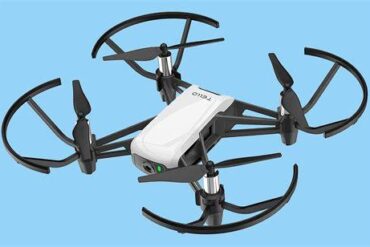
The DJI Neo emerges as a standout option, particularly for those new to the world of drones or seeking an exceptionally safe and portable flying experience, all at a very accessible price point of around $199.99. What immediately sets the Neo apart is its incredibly lightweight design, tipping the scales at a mere 135 grams. This featherlight construction, combined with its integrated propeller guards, makes it an inherently safer choice, especially for younger enthusiasts or for indoor flying. The built-in guards provide an essential layer of protection against accidental bumps with objects or people, minimizing the risk of damage or injury. Despite its diminutive size and entry-level positioning, the DJI Neo doesn’t skimp excessively on camera capabilities. It houses a half-inch sensor, which, while not the largest in its class, is capable of capturing respectable 12MP still images and recording stabilized 4K video at 30 frames per second (fps). This is quite an achievement for a drone at this price and weight.
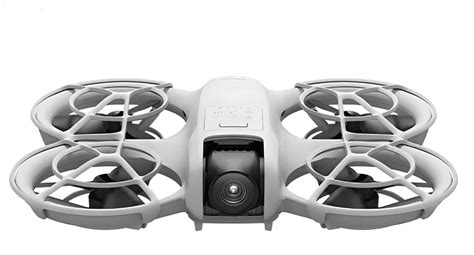
To ensure the captured footage remains smooth and watchable, DJI has incorporated its impressive RockSteady and HorizonBalancing stabilization technologies. RockSteady is an advanced electronic image stabilization (EIS) that effectively smooths out jitters and vibrations, while HorizonBalancing works to keep the horizon level, even during more dynamic flight maneuvers. This combination results in video quality that often surpasses expectations for a drone of this size and cost. One of the most unique aspects of the DJI Neo is its versatile control scheme. Eschewing the traditional remote controller requirement for some operations, the Neo can be intuitively piloted using palm gestures, voice commands, or via the DJI Fly app installed on your smartphone. This flexibility caters to different user preferences and situations, making it incredibly easy to get airborne quickly. The advertised flight time for the Neo is up to 18 minutes on a single charge, which is quite generous for its class and provides ample opportunity to enjoy the flying experience and capture desired shots. Its compact form factor and user-friendly features make the DJI Neo an excellent gateway into drone piloting, offering a fun, safe, and surprisingly capable package without breaking the bank.
- Key Specs: Weight: 135g; Camera: 12MP, 1/2-inch sensor; Video: 4K/30fps; Stabilization: RockSteady, HorizonBalancing; Flight Time: Up to 18 mins; Control: Palm, Voice, App.
- Pros: Extremely lightweight and safe, good 4K video for its class, intuitive control options, great for beginners and kids.
- Cons: Smaller sensor limits low-light performance compared to pricier options, EIS not as robust as a mechanical gimbal.
- Ideal User: Absolute beginners, children (with supervision), indoor flyers, those prioritizing safety and ultra-portability on a tight budget.
2. Potensic ATOM: The Feature-Packed All-Rounder ($359.99)
Stepping up in price to approximately $359.99, the Potensic ATOM presents a compelling proposition for enthusiasts seeking a more feature-rich and capable drone while still remaining comfortably under the $500 mark. This drone strikes an excellent balance between portability, performance, and advanced functionalities, making it a strong contender for both beginners ready for a step up and intermediate pilots. The ATOM boasts a lightweight, compact, and foldable design, a feature highly prized by travelers and adventurers who need a drone that can be easily stowed in a backpack and taken anywhere. This portability does not come at the expense of imaging prowess. The Potensic ATOM is equipped with a Sony CMOS sensor, renowned for its quality, enabling it to capture detailed 12MP still photographs and vibrant 4K video at 30fps. The inclusion of a quality sensor from a reputable manufacturer like Sony is a significant plus, often translating to better dynamic range and color accuracy in your aerial captures.
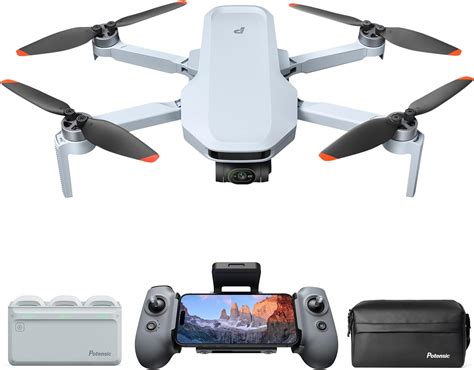
One of the ATOM’s most impressive specifications is its extended flight time, which can reach up to 31 minutes on a fully charged battery. This generous endurance significantly enhances the flying experience, allowing for more extensive exploration, longer video recording sessions, and less frequent battery swaps. To cater to different flying styles and conditions, the ATOM offers several flight modes, including a smooth Video mode for cinematic shots, a balanced Normal mode for everyday flying, and an agile Sport mode for when you crave a faster, more responsive experience. Beyond basic flight, the Potensic ATOM incorporates a suite of GPS-assisted intelligent flight functions that elevate its creative potential. These include popular modes like Follow Me, where the drone autonomously tracks a designated subject; Points of Interest, allowing the drone to orbit a specific landmark; and Circle Flight, for smooth, automated circular shots. Furthermore, the drone features an impressive video transmission range, capable of sending a live feed up to 4 kilometers away, providing pilots with a clear view and reliable control over considerable distances. The combination of its robust feature set, solid camera performance, and excellent flight time makes the Potensic ATOM a highly versatile and user-friendly drone that appeals to a broad spectrum of drone enthusiasts.
- Key Specs: Sensor: Sony CMOS; Camera: 12MP; Video: 4K/30fps; Flight Time: Up to 31 mins; Range: Up to 4km; Features: Foldable, GPS, Follow Me, Points of Interest, Circle Flight.
- Pros: Excellent flight time, quality Sony sensor, good range, useful intelligent flight modes, foldable and portable.
- Cons: Lacks a 3-axis gimbal (relies on EIS which is good but not perfect), app interface may be less polished than DJI’s.
- Ideal User: Hobbyists seeking long flight times, travelers wanting a portable 4K drone, beginners looking for advanced features without a premium price.
3. Holy Stone HS900: The Gimbal-Stabilized Contender ($399.99)
Holy Stone has carved out a significant niche in the drone market since its inception in 2014, a considerable tenure in the fast-evolving drone industry. The brand has earned a commendable reputation for producing quality entry-level and intermediate drones that offer a good balance of features and affordability, making them an attractive option for many enthusiasts who might find premium brands slightly out of reach. The Holy Stone HS900, typically priced around $399.99, is a prime example of their commitment to this segment, catering effectively to both beginners looking for a capable starter drone and intermediate pilots seeking more advanced features without a hefty price tag. The HS900 comes equipped with a respectable 1/2.3-inch 48MP CMOS sensor. This sensor configuration allows for high-resolution still photography (though 48MP is likely via interpolation, with a native 12MP output being more common for quality) and versatile video recording options, including 4K video at 30fps for crisp, detailed footage, and 1080p video at a smooth 60fps, which is excellent for capturing fast action or creating slow-motion effects in post-production.
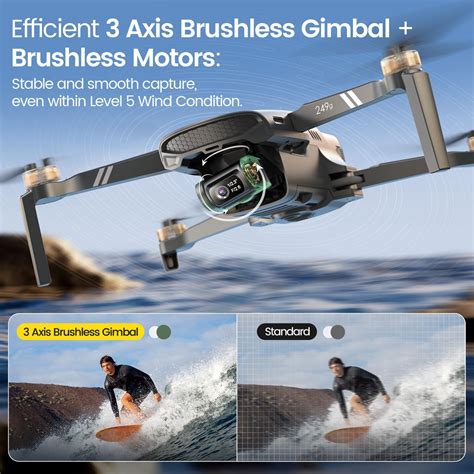
To ensure that the high-resolution video is stable and free from shakes, the camera is mounted on a three-axis mechanical gimbal. This is a significant feature at this price point, as a 3-axis gimbal provides superior stabilization compared to 2-axis or electronic-only solutions, resulting in truly cinematic and professional-looking footage. In terms of endurance, the Holy Stone HS900 offers a competitive flight time of up to 30 minutes on a single battery, allowing for substantial aerial exploration and content creation. The drone is not just about raw specifications; it also packs a range of advanced flight features designed to enhance both usability and creative possibilities. These include subject tracking, enabling the drone to autonomously follow a selected person or object; time-lapse capture for creating stunning accelerated-motion videos; cruise control for maintaining a steady speed and altitude; and automated flight patterns such as Point of Interest (orbiting a specific location) and Tap Fly (flying along a user-defined waypoint path). These intelligent functions make complex shots easier to achieve, empowering pilots to expand their creative horizons. The Holy Stone HS900 stands as a testament to the brand’s ability to deliver feature-rich drones that offer substantial value for money.
- Key Specs: Sensor: 1/2.3-inch 48MP CMOS; Video: 4K/30fps, 1080p/60fps; Stabilization: 3-axis gimbal; Flight Time: Up to 30 mins; Features: Subject Tracking, Time-lapse, Cruise Control, Point of Interest, Tap Fly.
- Pros: 3-axis mechanical gimbal for excellent stabilization, good flight time, versatile camera with 1080p/60fps option, rich set of intelligent flight modes.
- Cons: 48MP stills likely interpolated, brand reputation not as strong as DJI for overall polish and software.
- Ideal User: Intermediate pilots or ambitious beginners wanting smooth gimbal-stabilized footage and a wide array of automated flight patterns.
4. DJI Mini 3: The Social Media Powerhouse ($419)
It’s no surprise that DJI, the undisputed leader in the consumer and prosumer drone market, features prominently in our recommendations. The DJI Mini 3, priced around $419 (often for the drone-only package, controller might be extra or part of a bundle), exemplifies why the company holds such a dominant position. This drone is a marvel of engineering, packing high-end features into an ultra-lightweight and foldable design that is perfect for creators on the go. Weighing under 249 grams with its standard battery, the Mini 3 often sidesteps stricter registration requirements in some regions, adding to its convenience for travelers. Despite its compact size, the Mini 3 is a powerhouse when it comes to aerial imaging. It features a significantly upgraded 1/1.3-inch CMOS sensor, a sensor size typically found in more expensive drones. This larger sensor excels at capturing stunning 12MP photographs and breathtaking 4K HDR (High Dynamic Range) video. The HDR capability ensures that footage has excellent detail in both bright highlights and deep shadows, resulting in vibrant, true-to-life imagery even in challenging lighting conditions.
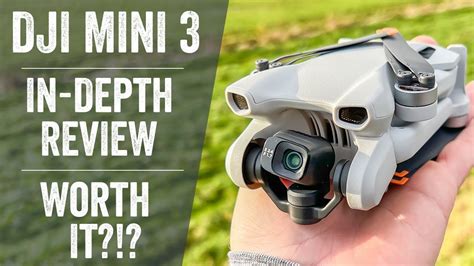
A standout feature of the DJI Mini 3, particularly appealing to social media content creators, is its ability to perform True Vertical Shooting. With a simple tap, the camera gimbal rotates 90 degrees, allowing users to capture footage in a vertical aspect ratio, perfectly optimized for platforms like Instagram Reels, TikTok, and YouTube Shorts, without any loss in quality from cropping. When it comes to flight endurance, the DJI Mini 3 is truly exceptional. The standard intelligent flight battery provides an already impressive flight time of up to 38 minutes. For those who need even more airtime, DJI offers an optional Intelligent Flight Battery Plus, which extends the flight duration to an astonishing 51 minutes (though this battery pushes the drone over 250g). This extended flight time allows for unhurried exploration and ample opportunity to capture the perfect shot. The Mini 3 also benefits from DJI’s renowned flight stability, robust GPS performance, and user-friendly DJI Fly app, making it incredibly easy and intuitive to fly, even for less experienced pilots. Its combination of portability, superior image quality, extended flight time, and innovative features like True Vertical Shooting makes the DJI Mini 3 an outstanding choice for world travelers, content creators, and anyone seeking a high-quality, compact drone experience.
- Key Specs: Weight: <249g (standard battery); Sensor: 1/1.3-inch CMOS; Camera: 12MP; Video: 4K HDR; Flight Time: Up to 38 mins (standard), 51 mins (Plus battery); Features: True Vertical Shooting, Foldable, Excellent wind resistance for its size.
- Pros: Exceptional image quality with 1/1.3-inch sensor and 4K HDR, True Vertical Shooting, class-leading flight time, sub-250g with standard battery, robust DJI ecosystem.
- Cons: Base model often drone-only (controller costs extra), lacks obstacle avoidance sensors found on Mini 3 Pro.
- Ideal User: Content creators focused on social media, travelers, photographers/videographers wanting top-tier image quality in a compact package.
5. DJI Flip: The Pocketable Vlogger’s Dream ($439)
Our final recommendation, and one of the newest entrants from DJI’s innovative lineup, is the DJI Flip, available for around $439. This drone has been meticulously engineered with a specific audience in mind: content creators and vloggers who demand portability, high-quality imaging, and creative flexibility. However, its broad appeal means that virtually anyone will find joy and utility in flying it. The DJI Flip champions compactness and portability, featuring a foldable design that allows it to shrink down to a size that can genuinely fit into a pocket or small bag, making it an ideal companion for spontaneous adventures and on-the-go shooting. Despite its small stature, the Flip is equipped with a formidable imaging system, boasting the same excellent 1/1.3-inch CMOS sensor found in the Mini 3. This sensor enables the drone to capture incredibly detailed 48MP still photos (likely using advanced processing or pixel binning from a 12MP native output for best quality) and to record stunning 4K HDR video at up to 60fps. The ability to shoot 4K at 60fps is particularly noteworthy, as it allows for smoother motion in regular footage and provides the flexibility to create high-quality slow-motion sequences. All of this is stabilized by a precise 3-axis mechanical gimbal, ensuring that every shot is silky smooth and professional-looking.
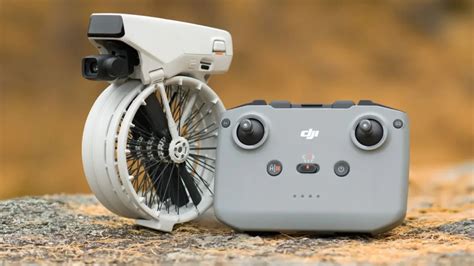
The DJI Flip is packed with a suite of Intelligent Shooting Modes, collectively known as QuickShots, designed to help users capture cinematic and engaging footage with minimal effort. These pre-programmed flight maneuvers include Dronie (flying backward and upward away from the subject), Circle (orbiting the subject), Rocket (ascending with the camera pointing downward), Spotlight (keeping the subject in frame while manually flying), Helix (spiraling upward around the subject), and Boomerang (flying a boomerang-like path around the subject). These modes empower users to create dynamic and visually interesting shots that would otherwise require considerable piloting skill. Adding to its convenience, the DJI Flip can take off directly from the palm of your hand, further emphasizing its quick-deployment capabilities. It offers an advertised flight time of up to 31 minutes per charge, providing ample opportunity to capture content. The DJI Flip successfully merges portability, advanced imaging, and user-friendly creative tools, making it an exceptional choice for modern content creators and anyone looking for a highly capable and pocketable drone.
- Key Specs: Sensor: 1/1.3-inch CMOS; Photos: 48MP; Video: 4K HDR up to 60fps; Stabilization: 3-axis gimbal; Flight Time: Up to 31 mins; Features: Foldable, Palm Takeoff, QuickShots (Dronie, Circle, Rocket, etc.).
- Pros: Excellent 4K/60fps HDR video, high-resolution photos, very compact and portable, numerous intelligent shooting modes, 3-axis gimbal.
- Cons: Price is at the higher end of the sub-$500 bracket, some advanced features might be overkill for absolute beginners.
- Ideal User: Vloggers, travel content creators, tech enthusiasts wanting cutting-edge features in a small form factor, users prioritizing video quality and creative shooting modes.
Why DJI Leads and Quality Alternatives Exist
Observing our top picks, it’s evident that DJI holds a significant presence, with three of the five recommended drones hailing from their extensive portfolio. This isn’t a mere coincidence or an oversight; DJI has consistently established itself as the market leader in consumer and prosumer drone technology for several compelling reasons. Their substantial investment in research and development translates into cutting-edge features, superior flight control systems, and highly reliable products. DJI’s ecosystem, encompassing intuitive apps like DJI Fly, a wide range of accessories, and robust customer support, further enhances the user experience. The quality control and refined manufacturing processes ensure that even their more budget-friendly models, like the Neo, Mini 3, and Flip, deliver a level of polish and performance that is hard to match.
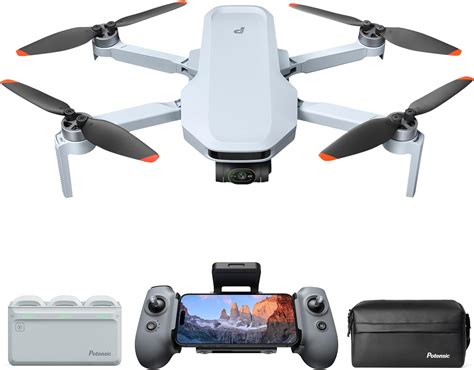
However, this doesn’t mean that other brands should be overlooked. Companies like Potensic and Holy Stone have carved out valuable niches by offering drones that provide excellent value for money, often targeting specific needs or slightly lower price points within the sub-$500 category. The Potensic ATOM, with its impressive flight time and Sony sensor, and the Holy Stone HS900, with its 3-axis gimbal and versatile camera, are testaments to their ability to produce competitive and appealing drones. For buyers who are particularly budget-conscious or are looking for slightly different feature sets, these brands represent fantastic alternatives that won’t lead to disappointment. The key is to align your specific requirements and budget with the strengths of each model and manufacturer.
Essential Drone Flying Tips for Beginners
Regardless of which drone you ultimately select from our list, or even if you choose a different model, embracing the fundamentals of safe and responsible drone operation is paramount before your first takeoff. These aerial devices, while incredibly fun and useful, require a degree of respect and understanding to ensure the safety of yourself, others, and property. Here are some essential tips to get you started on the right foot:
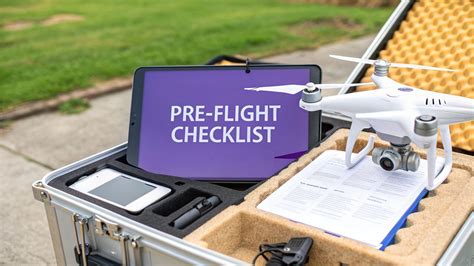
First and foremost, always conduct thorough pre-flight checks. This includes inspecting the drone for any physical damage, ensuring propellers are securely attached and in good condition, checking battery levels for both the drone and the remote controller, and verifying that your GPS signal (if applicable) is strong before initiating flight. Familiarize yourself with the drone’s user manual; it contains vital information specific to your model.
Choose your flying locations wisely. Opt for large, open areas, especially when you are learning. Parks, empty fields, and areas far from airports, crowds, and sensitive infrastructure are ideal. Be aware of local drone laws and regulations, including any no-fly zones (NFZs) in your vicinity. Apps like B4UFLY (in the US) can provide valuable airspace information.
Master the basic flight controls in a controlled environment. Practice taking off, landing, hovering, and making gentle turns and movements. Understand how the control sticks translate to the drone’s motion. Many drones offer beginner modes or simulators within their apps, which can be invaluable for risk-free practice.
Always maintain Visual Line of Sight (VLOS) with your drone. This means you should be able to see your drone with your own eyes at all times during flight. Relying solely on the First-Person View (FPV) feed from the camera can be disorienting and may lead to you losing track of the drone’s actual position and surroundings.
Be acutely aware of weather conditions. Drones, particularly lightweight models under $500, can be significantly affected by wind. Avoid flying in strong winds, rain, snow, or fog. Check the weather forecast before heading out and be prepared to postpone your flight if conditions are unfavorable. High temperatures can also affect battery performance and electronics.
Understand and respect privacy. Avoid flying over private property without permission and be mindful not to capture images or videos of people without their consent. Responsible flying includes respecting the privacy and peace of those around you.
Finally, start slow and gradually increase complexity. Don’t attempt risky maneuvers or flights in challenging environments until you have gained significant experience and confidence in your piloting skills. Patience and practice are key to becoming a proficient and safe drone pilot.
Frequently Asked Questions About Drones Under $500
Here are answers to some common questions you might have when considering a drone in this price category:
Are these drones suitable for professional use?
No, generally speaking, drones under $500 are primarily designed and intended for recreational use, hobbyist photography, and personal enjoyment. They typically lack the advanced sensor suites, redundant systems, and specific camera capabilities required for commercial operations under regulations like the FAA’s Part 107 in the United States. If you are looking to start a drone business or perform professional aerial work, you will need to invest in higher-quality, professional-grade models that often cost significantly more. These budget-friendly drones are perfect for learning, having fun, and capturing great memories.
Do I need to register these drones with the FAA?
This depends on the drone’s takeoff weight. In the United States, if a drone weighs 250 grams (0.55 pounds) or more, you are legally required to register it with the Federal Aviation Administration (FAA) for recreational flying. You must clearly label your drone with the registration number. Many of the more capable drones under $500, such as the Potensic ATOM, Holy Stone HS900, and DJI Mini 3 (with the extended battery), will exceed this weight limit. Lighter drones, like the DJI Neo (135g) or the DJI Mini 3 with its standard battery (under 249g), may not require registration, but it’s always crucial to check the exact weight of your specific model and comply with all current FAA regulations. Always fly responsibly, regardless of registration requirements.
Can these drones handle windy conditions effectively?
While some of the more advanced drones in this category, like the DJI Mini 3, boast impressive wind resistance for their size (often rated for level 5 winds), most budget-friendly drones, due to their lightweight construction and less powerful motors, can struggle in moderate to strong winds. Flying in excessively windy conditions can lead to unstable flight, difficulty in control, reduced battery life as the drone fights the wind, and an increased risk of a flyaway or crash. It’s always best to check wind speed and gusts before flying and to err on the side of caution, especially if you are a beginner.
What about spare parts, accessories, and support?
For popular brands like DJI, Potensic, and Holy Stone, spare parts such as propellers and batteries are generally readily available online through the manufacturer’s website or major retailers like Amazon. Propellers are the most commonly damaged part, so having spares is always a good idea. Accessories like extra batteries, carrying cases, multi-battery charging hubs, and ND filters (for cameras) can also enhance your flying experience. Customer support varies by manufacturer, but DJI generally offers robust support, while Potensic and Holy Stone are also known for being responsive to customer inquiries, especially for drones sold through major online platforms.
Are there specific apps I need to operate these drones?
Yes, most modern drones, including all the models recommended in this article, require a dedicated smartphone app for full functionality. For example, DJI drones use the DJI Fly app, while Potensic and Holy Stone have their own proprietary apps (e.g., PotensicPro, HS FPV V4). These apps provide the live video feed (FPV), flight telemetry (altitude, speed, distance), access to intelligent flight modes, camera settings, firmware updates, and often flight logs. Ensure your smartphone is compatible with the required app before purchasing a drone.
What’s the main difference between these sub-$500 drones and very cheap toy drones (e.g., under $100)?
While both are for recreational use, drones in the $100-$500 range typically offer significantly better build quality, camera performance (often with gimbals), GPS stability, battery life, range, and intelligent flight features compared to sub-$100 toy drones. Toy drones often lack GPS, have very basic cameras (if any), short flight times (5-7 minutes), limited range, and are much harder to control, especially outdoors. The drones recommended here represent a substantial step up, providing a much more enjoyable, reliable, and capable flying and imaging experience. They are an excellent entry point into serious drone hobbyism.
Final Thoughts: Take to the Skies Without Overspending
Embarking on your drone journey doesn’t necessitate emptying your savings. As we’ve explored, the sub-$500 market is brimming with capable and exciting drones that offer a fantastic gateway into the world of aerial photography, videography, and the sheer joy of flight. From the ultra-portable and beginner-friendly DJI Neo to the feature-rich DJI Mini 3 and Flip, or the excellent value offered by the Potensic ATOM and Holy Stone HS900, there’s a model tailored to fit diverse needs and budgets within this accessible price bracket. Each drone highlighted in this guide has been carefully selected for its balance of performance, features, and overall value, ensuring that your investment yields a rewarding and enjoyable experience.
While these drones may not be designed for high-end professional cinematography, they are more than capable of capturing stunning visuals, providing hours of entertainment, and helping you hone your piloting skills. Remember that the key to a successful drone experience lies not only in choosing the right model but also in committing to safe and responsible flight practices. Take the time to understand your drone’s capabilities, familiarize yourself with local regulations, and always prioritize safety. With the right approach and one of these excellent drones, you’re well on your way to exploring the world from a breathtaking new perspective. Choose wisely, fly safely, and prepare to be amazed by the creative possibilities that await you in the skies.