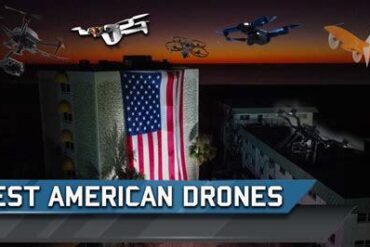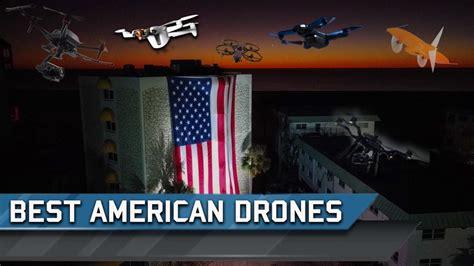
The American drone industry is entering a new era of rapid growth and technological dominance. Projected to reach a market value of $31.34 billion by 2034, the rise of American made drones is driven by a confluence of national security interests, regulatory changes, and an urgent demand for cybersecure aerial solutions. With foreign drone manufacturers like DJI increasingly scrutinized or restricted by the U.S. government, a new class of NDAA-compliant drones has emerged to meet the moment. These domestically approved systems are now at the forefront of both public safety operations and industrial innovation, setting new standards for reliability, security, and performance.
What Defines an American Made Drone?
To be recognized as American made, a drone must meet strict federal requirements that include being manufactured in the U.S. and approved under Section 848 of the FY 2020 NDAA. This legislation bans the Department of Defense from using drones or components from countries like China, Russia, Iran, and North Korea, as well as from certain private entities tied to these nations. As such, NDAA-compliant drones are rigorously vetted for supply-chain integrity, cybersecurity standards, and mission-critical reliability.
Many of these systems appear on the Blue sUAS 2.0 Cleared List, a designation that ensures drones are trusted for governmental and enterprise deployments, including critical infrastructure, energy utilities, law enforcement, and emergency services. Notable cleared drones include the Intense Eye V2, eBee Tac, and the WingtraOne, among others.
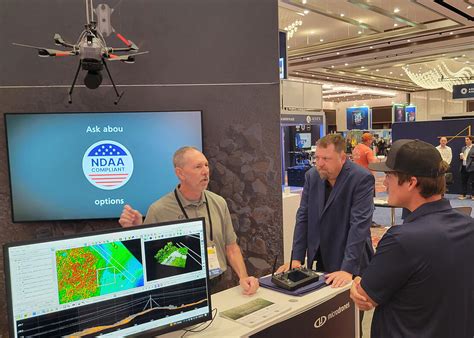
These drones are not just legally approved — they are strategically essential. As foreign-manufactured drones face increasing restrictions, American drones are being deployed across sectors that depend on low-latency data transmission, geospatial mapping, thermal imaging, and automated AI-based operations.
Regulation and Market Shift: The Domestic Drone Renaissance
The shift toward American drones is not merely market-driven; it is a direct consequence of rapidly evolving regulatory landscapes. One of the most prominent examples is Florida’s ban on Chinese-made drones for public safety use, a decision that forced agencies across the state to retire large fleets almost overnight. While controversial, the move amplified awareness of the vulnerabilities associated with foreign UAV technology — particularly regarding data privacy, network intrusion risks, and lack of transparency in firmware.
This policy shockwave served as a catalyst for nationwide interest in U.S.-built alternatives. From state departments of transportation to utility companies and fire departments, the call for secure, dependable aerial systems has never been louder. These changing conditions are reshaping procurement policies and driving sustained investment in U.S. drone manufacturing infrastructure.
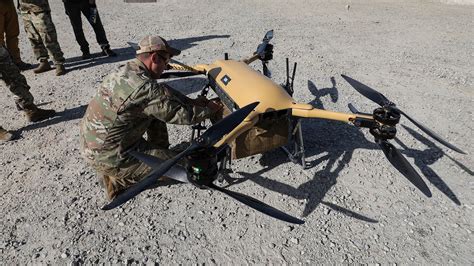
Top 7 NDAA-Compliant American Drones You Should Know
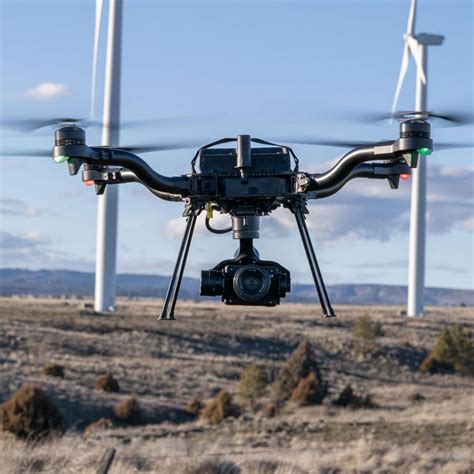
Freefly Astro Prime (Washington)
The Freefly Astro Prime leads the pack in terms of modularity, build quality, and enterprise-readiness. Built on a carbon-fiber frame, this UAV offers a payload capacity of up to 20 pounds, making it ideal for surveying, cinematography, and geospatial intelligence missions. Integration with Esri Site Scan expands its utility for mapping professionals.
- Pros: Interchangeable lenses, professional-grade sensors, customizable setups.
- Cons: Costs start above $32,000, and NDAA-specific kits are sold separately.
Parrot Anafi Ai (France/USA)
While headquartered in France, Parrot’s U.S.-based operations and NDAA compliance qualify the Anafi Ai for inclusion. Designed with a 48MP camera, 4K video capabilities, and AI-powered tracking, this drone supports 5G and tethered configurations for extended use.
- Pros: Affordable, lightweight, portable, great for first responders.
- Cons: Video capped at 4K 30fps, with occasional image stabilization issues.
ACSL SOTEN (Tokyo/USA)
ACSL’s entry into the U.S. market reflects a strategic push for global-shutter camera drones that emphasize data fidelity. With a 1-inch CMOS sensor and multiple modular payload options, the SOTEN is ideal for detailed mapping and surveying work, especially in high-sun or reflective environments.
- Pros: Excellent for precise photogrammetry.
- Cons: Lacks cinematic fluidity for video applications.
Skydio X10 (California)
Skydio continues its reputation as an AI leader with the X10, which leverages advanced obstacle avoidance to execute complex autonomous maneuvers. With thermal imaging sensors and 4K video, this drone is purpose-built for utility inspections, search and rescue, and infrastructure analysis.
- Pros: Unmatched autonomous navigation, safe in GPS-denied environments.
- Cons: Expensive and somewhat sluggish in manual mode.
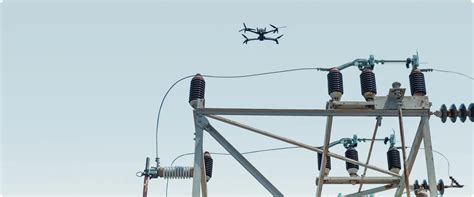
Inspired Flight IF800 Tomcat (California)
This industrial-grade quadcopter offers an extended flight time of 40 minutes and supports payloads up to 3 kilograms. Built for the American industrial sector, the IF800 Tomcat features hot-swappable payload mounts and a design that withstands rough field conditions.
- Pros: Rugged durability, modular build, ideal for LIDAR, photogrammetry.
- Cons: Not optimized for high-resolution video.
Sony Airpeak S1 (Tokyo)
Sony’s high-end Airpeak S1 may be a Japanese design, but its compatibility with U.S.-built Alpha cameras and stateside commercial use secure its spot in the American drone conversation. With a payload limit of 11 pounds and five-direction obstacle sensing, it suits cinematic production and industrial inspection alike.
- Pros: Seamless integration with Sony Alpha line; powerful custom setups.
- Cons: Price point above $9,000, complex pre-flight setup requirements.
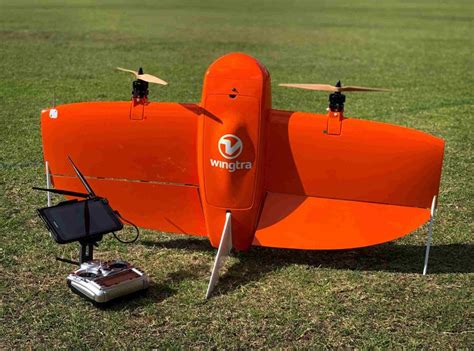
WingtraOne (Zurich/USA)
The WingtraOne combines VTOL (vertical takeoff and landing) capabilities with the range and endurance of a fixed-wing platform. Covering up to 400 hectares in one flight, its onboard PPK GNSS technology ensures pinpoint accuracy for topographic surveys and agricultural monitoring.
- Pros: Exceptional area coverage, long battery life, superior GNSS accuracy.
- Cons: High cost and requires a large operational footprint.
The Real Cost of Compliance: Security Over Savings
While American drones often come with a higher price tag, the value proposition lies in their security assurances, data sovereignty, and compliance with federal regulations. For organizations operating in sensitive domains — from energy to law enforcement — the cost of a data breach or firmware compromise far outweighs the upfront investment in an NDAA-approved drone.
Moreover, domestic manufacturing supports U.S. job creation, enhances supply chain resilience, and fosters technological sovereignty. As geopolitical tensions shape future procurement standards, investing in American drone technology is not just a smart move — it’s a strategic imperative.
Conclusion: Choosing the Right American Drone
Among the top models, the Freefly Astro Prime stands out for its versatility and premium engineering, especially in mission-critical operations. However, the ideal choice depends on your use case, whether that’s infrastructure inspection, search and rescue, precision mapping, or cinematic production.
As federal, state, and private sector interest in secure, high-performance drones accelerates, these American made UAVs will continue to drive innovation and redefine standards in global aerial systems. With each investment in domestic production, we not only elevate operational excellence but reinforce our national security infrastructure and expand economic opportunity for drone pilots and tech workers alike.
FAQs on American Made Drones
- Which drones are made in the USA for consumers?
The Skydio 2 and GoPro Karma are notable consumer-friendly drones manufactured domestically.
- Is EXO an American drone brand?
While EXO Drones markets itself as a U.S. company, its manufacturing is based in Hong Kong, and it does not meet NDAA compliance standards.
- Is DJI American made?
No. DJI is a Chinese company and currently controls over 70% of the global drone market. It is not NDAA compliant.
- What is the top American drone currently available?
The Freefly Astro Prime is widely regarded as the leading U.S.-made drone for its build quality, flexibility, and enterprise-grade integrations.
- Where is Parrot based?
Parrot is a French company with U.S. operations, and some of its models — like the Anafi Ai — are NDAA-compliant.
American drones are not just a replacement for their foreign counterparts — they are a strategic evolution in how we think about airspace, data security, and domestic technological leadership.