When discussing American made drones in the current regulatory climate, the definition extends beyond simple geography of assembly. It intrinsically involves adherence to national security standards, primarily encapsulated by NDAA compliance. In essence, an American made drone is typically built within the United States and, crucially, is approved under the NDAA. Within the drone industry, NDAA compliance is synonymous with ensuring supply chain security and integrity, a paramount concern for national interests.
The cornerstone of this compliance is Section 848 of the Fiscal Year 2020 National Defense Authorization Act. This federal law explicitly prohibits the U.S. Department of Defense (DoD) from procuring or using drones that fall into specific categories. These include drones manufactured in a “covered foreign country” or by a company headquartered in such a country. Furthermore, the prohibition extends to drones utilizing critical components – such as flight controllers, radios, data transmission devices, cameras, gimbals, ground control systems, or operating software – that are manufactured in a covered foreign country or by entities based there. Initially, China was designated as the primary “covered foreign country.” However, the scope of this legislation expanded in 2022 when Congress included Russia, Iran, and North Korea to the list. More recently, the application of these rules has broadened further, now encompassing private companies engaged in government contract work. A significant deadline looms: starting in October 2024, private companies will be barred from using non-compliant drones, such as many DJI models, for any Department of Defense contracts.
The Blue UAS Cleared List: A Pathway to Compliance
A critical aspect of navigating these regulations is the Blue UAS Cleared list, managed by the Defense Innovation Unit (DIU). Drones featured on this list are granted an exemption from the DoD’s policy exception requirement because they have undergone rigorous cybersecurity evaluations and NDAA compliance assessments, and have been issued the necessary administrative documentation to verify their security. The Blue sUAS 2.0 project has been instrumental in vetting and adding a range of drones to this trusted list. Notable examples include the Intense Eye V2 by BlueHalo, the eBee Tac by senseFly (an AgEagle company), the WingtraOne by Wingtra, the Spirit by Ascent AeroSystems, the Osprey Hexacopter by Easy Aerial, the AltaX by Freefly Systems, the newer configuration of the X2D by Skydio, the Edge 130 by Flightwave, the H6 HE, H6 Hydrone, and H6 by Harris Aerial, and the IF750 and IF1200 by Inspired Flight. It’s important to underscore that the Blue UAS list is drone-specific, not manufacturer-specific. This means that certain drones manufactured in allied foreign countries may still qualify if they meet the stringent U.S. security and compliance standards. These vetted drones are deemed suitable for operation in critical environments, such as inspecting vital railroad infrastructure, conducting solar farm inspections in sensitive government-operated zones, or ensuring the integrity of our national utilities.
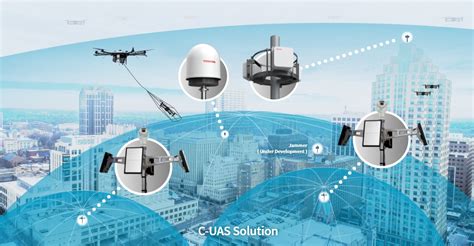
While companies like DJI have historically dominated the commercial drone market with their accessible technology and wide range of products, they are now being systematically and aggressively phased out, particularly in government-related sectors and critical infrastructure operations. This shift is not without its challenges. For instance, Florida recently enacted a ban on Chinese-made drones for public safety and public works agencies. This legislative action has compelled numerous established drone programs to cease operations, forcing these departments to seek new funding avenues to procure domestically manufactured or NDAA-compliant drones. This regulatory pressure, while initially disruptive for some, is a clear indicator of the nation’s commitment to bolstering domestic capabilities and safeguarding national security.
Spotlight on Excellence: Top American Made and NDAA-Compliant Drones
As the demand for secure and compliant aerial solutions grows, the variety of American-made and NDAA-approved drones is expanding daily. Navigating this evolving market requires a discerning eye for platforms that not only meet regulatory requirements but also offer longevity, robust performance, and true platform versatility. We have meticulously curated a list of leading drones that stand out for their advanced capabilities and adherence to these critical standards. While some manufacturers on this list are headquartered internationally, their inclusion is merited by their NDAA compliance, presence on the Blue UAS list, or their significant role in providing viable, secure alternatives in the U.S. market. Here are some of the top options available:
1. Freefly Astro Prime: The Unrivaled American Platform for Versatility
- Company: Freefly Systems
- Headquarters: Woodinville, Washington, USA
- Founded In: 2011
- Website: freeflysystems.com
The Freefly Astro Prime represents the pinnacle of American drone engineering, particularly for professionals who demand uncompromising performance across cinematic and industrial applications. This US-manufactured drone is meticulously designed for high-stakes missions, boasting a lightweight yet incredibly strong carbon fiber frame. It offers a substantial payload capacity of up to 20 pounds, making it exceptionally well-suited for carrying professional-grade cinema cameras, complex sensor arrays, and other mission-specific equipment. The Astro Prime’s adaptability is one of its core strengths; it can be configured with multiple lens options and sensor packages, providing unparalleled creative and technical flexibility for filmmakers, surveyors, and inspectors alike. Pilots will appreciate the buttery-smooth flight characteristics and the responsive, intuitive controls, which contribute to more efficient and precise mission execution. Crucially, the Astro Prime is engineered for security and reliability, and it is fully approved for sensitive government and enterprise operations within the United. States. Its integration with industry-standard software like Esri SiteScan further enhances its utility for mapping and inspection tasks, making it a true workhorse.
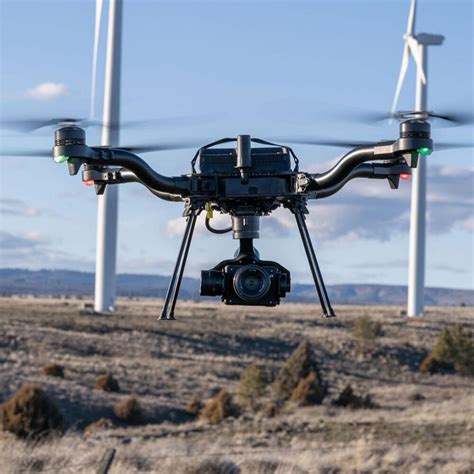
Key Features:
- Primary Camera Option: Sony LR1 camera with a full-frame Exmor sensor
- Exceptional Resolution: 61 megapixel full-frame camera capability
- Video Prowess: 4K 60fps video recording, with HD at 120fps for slow-motion
- Flexible Recording: Multiple codec options to suit various workflows
- Gimbal System: Advanced platform-based camera gimbal system for superior stabilization
- Software Integration: Seamless Esri SiteScan integration for mapping
- Pilot Awareness: On-screen battery voltage monitoring for enhanced safety
- Control System: Advanced Pilot Pro remote controller
Pros:
- Unmatched capability for both creative and technical pursuits
- Superior full-frame camera system for exceptional image quality
- Intuitive flight experience, often compared favorably to DJI’s native feel
- Convenient on-screen battery voltage display
- Modular camera system supporting thermal and rangefinder options
- Direct and powerful integration with Esri’s geospatial systems
- Produces high-quality mapping deliverables suitable for professional surveying
Cons:
- Positioned at a premium price point, reflecting its advanced capabilities
- The NDAA-approved kit incurs an additional cost over the essentials package
Price: Approximately $32,000 for the Essentials Kit, with higher costs for the fully NDAA-approved package.
2. Skydio X10: The Autonomous Flight and Obstacle Avoidance Champion
- Company: Skydio, Inc.
- Headquarters: San Mateo, California, USA
- Founded In: 2014
- Website: skydio.com
Skydio has carved a formidable reputation for its industry-leading autonomous flight systems, and the Skydio X10 is a testament to their innovation in this domain. This American-engineered drone leverages sophisticated AI-driven obstacle avoidance and dynamic path planning, making it exceptionally reliable for complex missions in challenging environments where precision and safety are paramount. Its capabilities shine in applications such as close-quarters infrastructure inspections, demanding public safety scenarios, and intricate search-and-rescue operations. The X10 is not just about avoiding obstacles; its AI allows it to intelligently navigate and understand its surroundings, enabling it to perform tasks that would be incredibly risky or impossible for manually piloted drones. Equipped with high-resolution cameras and thermal sensors, the Skydio X10 can capture detailed imagery and data across a variety of conditions, day or night. This versatility makes it an invaluable tool for industries ranging from utility line inspection and bridge maintenance to firefighting support and law enforcement aerial reconnaissance. While its autonomy is unparalleled, users should be aware of potential trade-offs in terms of data acquisition speed compared to some less autonomous systems and the overall cost, especially when factoring in specialized software.
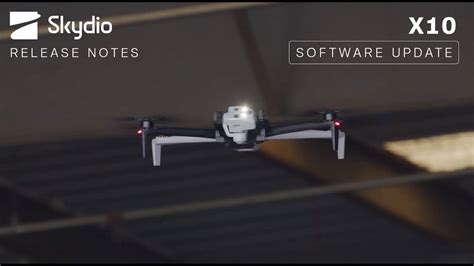
Key Features:
- Core Technology: Advanced AI-powered autonomous flight system
- Primary Sensor: High-quality 1-inch CMOS sensor for detailed imaging
- Navigation: Best-in-class 360° obstacle avoidance
- Versatility: Multiple payload options, including thermal and high-zoom cameras
- Video Capability: 4K video recording (typically at 30fps, specific configurations may vary)
Pros:
- Unsurpassed obstacle avoidance capabilities in the industry
- Highly intelligent AI flight system simplifying complex maneuvers
- Effective for basic mapping and detailed inspections
- Particularly excellent for close-proximity utility inspections
- Demonstrates strong performance in high-electromagnetic interference environments
Cons:
- Data acquisition can be slower compared to some manual or fixed-wing platforms
- Creative flight features may be more limited due to the focus on autonomy
- Video frame rates might be limited (e.g., only 4K 30fps in some configurations)
- Expensive mapping software fees can add to the total cost of ownership
- The base cost is high, and add-ons significantly increase the investment
Price: Starts at $11,500, potentially reaching $23,000+ with specialized payloads and software add-ons.
3. Inspired Flight IF800 Tomcat: The Rugged American Workhorse
- Company: Inspired Flight Technologies, Inc.
- Headquarters: San Luis Obispo, California, USA
- Founded In: 2017
- Website: inspiredflight.com
Inspired Flight Technologies is a dedicated American drone manufacturer known for producing high-performance, industrial-grade UAS designed for demanding professional and governmental use. Their drones are recognized for powerful sensor integration, extended flight times, and robust durability. The Inspired Flight IF800 Tomcat exemplifies these qualities. It is a medium-lift, industrial-grade drone engineered for a wide array of commercial and government applications, emphasizing reliability and operational endurance. A standout achievement for the IF800 Tomcat is its status as one of the first NDAA-compliant industrial drones to deliver an impressive flight time of approximately 40 minutes while carrying popular high-resolution cameras and advanced sensors. This endurance is critical for large-scale survey missions or persistent surveillance tasks. The IF800 Tomcat boasts a payload capacity of up to 3 kilograms (approximately 6.6 pounds), accommodating a diverse range of industry-standard cameras, LiDAR units, and other specialized sensors, making it a truly versatile aerial platform for serious industrial work.
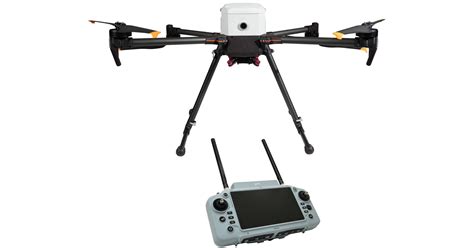
Key Features:
- Payload System: Interchangeable payload system for mission flexibility
- Flight Control: Utilizes the Auterion flight controller system, known for its open-source architecture and enterprise features
- Build Quality: Industrial-grade construction for durability in harsh environments
- Video Output: Supports 4K 30fps video capture with appropriate payloads
- Sensor Compatibility: Designed to carry multiple leading camera and sensor payloads
Pros:
- True platform design offering significant customization and adaptability
- Rugged and highly capable for challenging industrial applications
- Excellent choice for large-scale inspections, surveying, and monitoring
- Proudly US-manufactured, ensuring supply chain integrity
- Supports a wide variety of multiple payload options
Cons:
- Video capabilities generally limited to 4K 30fps, which may not suit all cinematic needs
- As a newer platform compared to some, there may be limited extensive real-world testing data available for very niche applications
- Systems integration, while robust, might be considered basic by users accustomed to highly polished consumer-grade ecosystems
Price: Starting at approximately $18,000, varying with payload and configuration.
4. Parrot Anafi Ai: The Connected and Budget-Conscious Option (French Origin, NDAA Relevant)
- Company: Parrot Drone SAS
- Headquarters: Paris, France
- Founded In: 1994
- Website: parrot.com
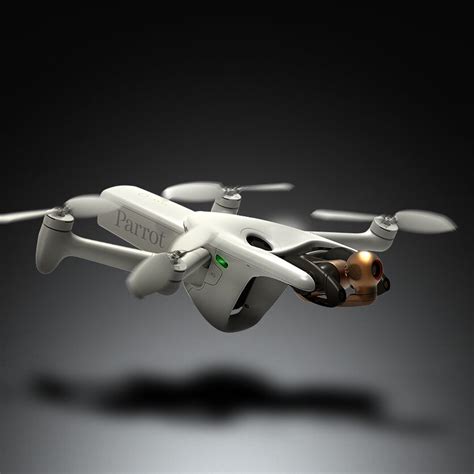
While Parrot is a French company, the Parrot Anafi Ai warrants discussion due to its unique features, NDAA-related considerations for certain use cases (particularly regarding data security protocols), and its positioning as a more budget-friendly yet capable drone in the professional sphere. The Anafi Ai is a compact and relatively lightweight drone that appeals to both entry-level professional users and experienced pilots seeking a portable solution. It features a 48-megapixel camera capable of 4K video recording. A distinguishing feature is its pioneering use of 4G/5G connectivity, which theoretically allows for beyond visual line of sight (BVLOS) operations with unlimited range, subject to regulatory approval and network availability. This makes it an interesting platform for BVLOS training and certain remote operations. Its unique “praying mantis” design is not just aesthetic; it allows the gimbal to tilt upwards, a useful feature for inspection tasks. However, potential buyers should be aware of some limitations, such as its linear rolling shutter, which might not be ideal for fast-moving subjects or precise mapping, and reported occasional gimbal smoothness issues.
Key Features:
- Imaging: 48 megapixel camera
- Video: 4K 30fps video recording
- Connectivity: Industry-first 4G/5G cellular connectivity
- Sensor Type: Linear rolling shutter sensor
- Unique Operation: Tethered flight capability (up to 400ft via USB-C)
- Design: Distinctive praying mantis folding design
Pros:
- Relatively affordable compared to other professional-grade drones
- Lightweight and highly portable design
- Potential for unlimited distance capability via cellular network (regulations permitting)
- Useful 400ft USB-C tethered option for continuous power and secure data
- Well-suited for BVLOS operational training
Cons:
- Linear rolling shutter can introduce distortion in some scenarios
- Data processing can be slower compared to some competitors
- Video limited to 4K 30fps
- Occasional reports of gimbal smoothness issues
- Zoom functionality can sometimes be wonky or imprecise
Price: Around $4,000.
5. ACSL SOTEN: The Compact Japanese Powerhouse for Mapping (Japanese Origin, NDAA Compliant)
- Company: Autonomous Control Systems Laboratory Ltd. (ACSL)
- Headquarters: Tokyo, Japan
- Founded In: 2013
- Website: acsl-usa.com
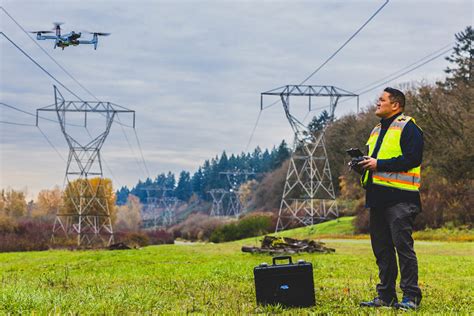
Developed in Japan, reportedly with insights from an ex-DJI engineer, the ACSL SOTEN is a compelling NDAA-compliant drone that aims to fill the void left by drones like the DJI Phantom 4 Pro, particularly for mapping and inspection tasks. While not American-made, its compliance and specific feature set make it a relevant option for US companies seeking secure alternatives. The SOTEN’s key advantage is its global shutter camera paired with a 1-inch CMOS sensor, which is crucial for capturing distortion-free images for accurate photogrammetry and mapping. Its compact design enhances portability, making it suitable for deployment in various field conditions. It offers 4K video at 30fps and supports multiple camera payload options, adding to its versatility for inspection work beyond just mapping. While it excels in technical applications, its creative capabilities for cinematography are more limited compared to platforms designed with filmmaking as a primary focus.
Key Features:
- Shutter Type: Global shutter camera for precise mapping
- Sensor: 1-inch CMOS sensor (20MP)
- Video: 4K 30fps video capability
- Payloads: Multiple camera payload options (including IR and zoom)
- Design: Compact and portable form factor
Pros:
- Global shutter ensures accurate data for mapping and surveying
- Small and easily transportable for fieldwork
- Excellent for detailed inspections and asset monitoring
- Versatility through multiple payload options
- Offers a reasonable price point for its capabilities
Cons:
- Video recording is limited to 4K 30fps
- Possesses limited creative capabilities for high-end videography
- Not ideal for purely cinematic work due to its technical focus
Price: Around $10,000.
6. Sony Airpeak S1: The Cinematographer’s Choice from Japan (Japanese Origin, NDAA Relevant)
- Company: Sony Group Corporation
- Headquarters: Tokyo, Japan
- Founded In: 1946
- Website: pro.sony
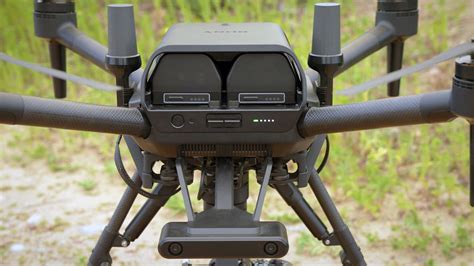
The Sony Airpeak S1, hailing from the renowned Japanese electronics giant, is a professional drone meticulously engineered for filmmakers and high-end photographers. While Sony is a Japanese company, the Airpeak S1 is relevant in discussions of high-quality alternatives, especially for users already invested in the Sony Alpha camera ecosystem. It features a robust carbon fiber frame and an impressive payload capacity of up to 11 pounds, specifically designed to carry Sony’s own full-frame Alpha series mirrorless cameras and compatible lenses. This integration provides unparalleled image quality for aerial cinematography. The Airpeak S1 incorporates advanced features such as built-in GPS, a reliable return-to-home function, and sophisticated obstacle avoidance (sensing in 5 directions). Its retractable landing gear ensures an unobstructed field of view for the camera. It supports dual operation, allowing a dedicated pilot and a separate camera operator for complex shots. However, this level of professional capability comes at a very high price, and the camera itself is a separate purchase.
Key Features:
- Camera System: Unmatched compatibility with Sony Alpha series cameras
- Operation: Dual operation capability (pilot + camera operator)
- Flight Time: Up to 22-minute flight time (may vary with payload)
- Stability: Excellent wind resistance up to 44.7 mph
- Design: Retractable landing gear for clear camera view
- Safety: Obstacle sensing in 5 directions
- Construction: Durable carbon fiber construction
- Control: Proprietary flight controller and remote
- Camera Control: Multiple advanced camera control options via the app
Pros:
- Exceptional camera compatibility specifically with the Sony Alpha series
- Professional-grade build quality and material selection
- Superior wind resistance for stable shots in challenging conditions
- Impressive flight stability crucial for smooth cinematic footage
- Provides detailed flight logs and system diagnostics
- Features a high-end gimbal system for precise camera movements
- Convenient quick-release propellers for rapid setup
Cons:
- Commands a very high price point, even before adding a camera
- Requires separate purchase of expensive Sony Alpha cameras and lenses
- The setup process can be complex and time-consuming
- Possesses limited mapping capabilities compared to specialized drones
- Involves a steep learning curve for optimal operation
Price: Around $9,000 (drone only, without camera or gimbal for non-Sony cameras).
7. WingtraOne GEN II: The Swiss Mapping and Surveying Specialist (Swiss Origin, Blue UAS Listed)
- Company: Wingtra AG
- Headquarters: Zurich, Switzerland
- Founded In: 2017
- Website: wingtra.com
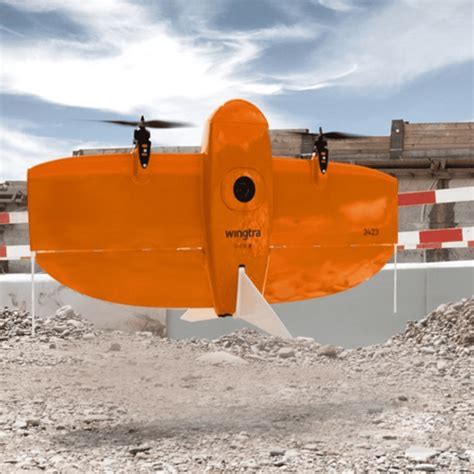
Wingtra, a Swiss company, specializes in developing and manufacturing high-performance VTOL (Vertical Take-Off and Landing) fixed-wing drones designed primarily for large-scale aerial surveying and mapping. The WingtraOne GEN II is a popular choice among professionals in industries like construction, engineering, mining, and agriculture due to its accuracy, reliability, and efficiency. Its inclusion here is significant because select WingtraOne configurations are on the DIU Blue UAS Cleared List, making them approved for certain US governmental and sensitive projects. The VTOL capability combines the convenience of a multicopter’s takeoff and landing with the endurance and coverage of a fixed-wing aircraft. It can cover vast areas – up to 400 hectares (nearly 1000 acres) in a single 59-minute flight – and achieve survey-grade accuracy down to 1cm with its PPK GNSS positioning. The platform supports various high-resolution camera payloads, including options like the Sony RX1R II or QX1. Mission planning is highly automated, streamlining the workflow for large mapping projects.
Key Features:
- Flight Design: VTOL (Vertical Take-Off and Landing) fixed-wing hybrid
- Camera Options: Supports multi-camera options (e.g., Sony RX1R II/QX1, Micasense multispectral)
- Positioning: High-precision PPK GNSS positioning for survey-grade accuracy
- Endurance: Impressive 59-minute flight time
- Coverage: Capable of covering 400 hectares on a single flight
- Operation: Automated mission planning and execution
- Landing: All-terrain landing capability
- Flexibility: Hot-swappable payloads
- GNSS: Dual-frequency GNSS receiver
Pros:
- Exceptional coverage area per flight, ideal for large-scale projects
- Achieves high accuracy (down to 1cm) suitable for professional surveying
- Long flight time maximizes data collection efficiency
- Reliable performance in various weather conditions (within limits)
- Fast data acquisition compared to quadcopters for large areas
- Offers an efficient end-to-end mapping workflow
Cons:
- Represents a high initial investment
- Limited maneuverability compared to traditional quadcopters, not suitable for close inspection
- Requires a larger takeoff and landing area than most multirotors
- Limited creative filming capabilities due to its fixed-wing nature
- VTOL operations can have stricter weather limitations (e.g., wind during transition)
- Not suitable for detailed inspection work requiring hovering or intricate flight paths
Price: Starting at $25,000, but varies significantly based on payload configuration and software.
Navigating Your Drone Choice in the New American Landscape
When considering the best U.S. drones or NDAA-compliant drones that empower pilots to capture stunning aerial video, conduct autonomous missions, and deliver precise mapping results, the list of ideal candidates becomes more focused. Drone pilots, whether hobbyists, commercial operators, or government agents, ultimately seek a portable, easy-to-use, and reliable drone. However, achieving this trifecta at a reasonable price point, while also meeting stringent security and domestic sourcing requirements, has been a challenge that only a select few manufacturers are beginning to master. Each of the drones highlighted brings unique strengths to the table. If your primary need is a true, versatile platform capable of handling both demanding creative cinematography and complex technical work without significant compromise, a high-end American system like the Freefly Astro Prime often emerges as a leading contender, albeit with a significant investment. For unparalleled autonomy in complex environments, Skydio’s X10 is a clear leader.
The shift towards domestically developed or rigorously vetted drones has, in many cases, resulted in higher acquisition costs for pilots and organizations. However, this strategic pivot brings undeniable advantages to the nation and its economy, including bolstering American manufacturing, enhancing national security, and fostering domestic innovation. Every challenge often presents an opportunity; as the barrier to entry rises in the enterprise and government drone sectors due to these new regulations and cost structures, it could also translate into higher paychecks and reduced competition for highly skilled, seriously committed, and properly equipped drone pilots who can navigate this new landscape.
The Future is American (and Securely Sourced)
The trajectory for American-made and NDAA-compliant drones is one of continued growth and innovation. The emphasis on security, supply chain integrity, and domestic capabilities will only intensify, driving further advancements in drone technology developed within the U.S. or by trusted international partners adhering to these stringent standards. This evolving ecosystem promises not only more secure aerial solutions but also a more robust and resilient domestic drone industry. As these platforms become more sophisticated and accessible, their role in transforming industries from public safety to agriculture, and from entertainment to critical infrastructure management, will continue to expand, all while prioritizing the security and economic interests of the United States.
Frequently Asked Questions About American Made Drones
1. What are some examples of American consumer-oriented drones?
While the professional and enterprise market is seeing the most significant shift, several American drone manufacturers have offered or currently offer products with consumer appeal. Historically, examples included the Skydio 2/2+ (though Skydio is now more enterprise-focused) which was renowned for its autonomous following capabilities. The GoPro Karma Quadcopter, though discontinued, was another American venture into the consumer space. These drones typically emphasized features like advanced obstacle avoidance, ease of use, and portability, making them attractive for recreational photography and videography.
2. Are EXO drones produced in the United States?
No, EXO Drones are not manufactured in the United States. According to their public information, their drones are produced in collaboration with manufacturing partners based in Hong Kong. However, the company itself is legally owned, operated, and maintains its warehousing and customer support within the United States.
3. Is DJI a U.S. drone company?
DJI is not an American company. It is a prominent Chinese technology company headquartered in Shenzhen, China, specializing in the manufacturing of commercial and recreational unmanned aerial vehicles. For a considerable period, DJI held a dominant share of the U.S. and global drone market. However, the U.S. Department of Defense and numerous American lawmakers have voiced significant concerns about DJI potentially posing a national security risk, leading to restrictions on its use by federal agencies and contractors.
4. Who is the number 1 drone manufacturer globally?
Currently, DJI (Da-Jiang Innovations) holds the position of the world’s leading drone manufacturer by market share. With a global market penetration often cited as exceeding 70%, DJI is renowned for its wide range of drones that often combine advanced features with competitive pricing. DJI drones cater to a diverse clientele, from individual consumers and hobbyists to professionals and large businesses, serving a multitude of functions including aerial photography, videography, agricultural surveying, construction site monitoring, and public safety operations.
5. What is considered the US most advanced drone for versatile professional use?
Defining the “most advanced” can depend on specific criteria, but for overall versatility, high performance, and US manufacturing, the Freefly Astro Prime is a strong candidate. It is designed for professionals who require exceptional performance and flexibility across diverse applications. It excels in areas like precision mapping, high-end cinematic filming, and extended flight times for large-scale inspections, with the robust capability to handle demanding payloads and complex mission profiles. Skydio’s X10 is also a contender for “most advanced” in terms of autonomous flight capabilities.
6. Is Parrot drone a U.S. company?
No, Parrot is not a U.S. company. It is a French company, founded in Paris in 1994 by Henri Seydoux. Parrot specializes in wireless devices and has a significant presence in the consumer and professional drone market with products like the Anafi series.