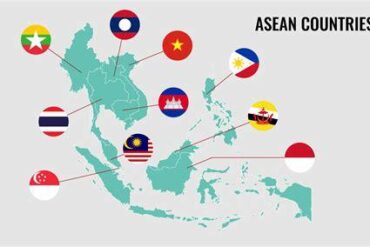
Asian cruise tourism is experiencing a remarkable resurgence, with numerous governments investing heavily in infrastructure and new initiatives aimed at attracting more travelers. This growth has made it easier than ever for cruise enthusiasts to explore the diverse cultures, stunning wildlife, and rich histories of the region. From island hopping in Indonesia to snorkeling in Vietnam’s breathtaking Nha Trang Bay, the possibilities are endless. In this guide, we delve into the top cruise destinations in Asia for 2025, highlighting Singapore, Thailand, and Japan as premier options for your next adventure.
Singapore: A Premier Cruise Hub
Singapore has firmly established itself as a leader in Asia’s cruise tourism sector. With its world-class infrastructure and strategic location, it serves as a major cruise hub in the region. The Marina Bay Cruise Centre (MBCC) is the city’s primary cruise terminal, designed to accommodate mega ships and facilitate itineraries to popular destinations such as Bali, Langkawi, and Phuket. The city’s commitment to sustainable tourism is evident through initiatives led by the Singapore Tourism Board (STB), which ensures that cruise operators adhere to environmentally sustainable practices. Under the Green Plan 2030, Singapore aims to enhance the environmental sustainability of its cruise offerings, ensuring that over 25,000 international passengers can enjoy a luxurious cruise experience without compromising the environment.
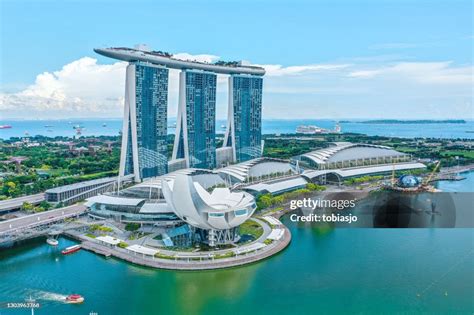
The location of Singapore makes it an ideal starting point for cruise enthusiasts looking to explore the surrounding regions. The combination of modern amenities and cultural experiences available in the city adds to its allure. Visitors can indulge in local cuisine, explore iconic landmarks like the Marina Bay Sands, and take in the vibrant nightlife, making their time in Singapore unforgettable.
Thailand: Searching for Smiles off the Seas
Thailand is rapidly emerging as one of the leading cruise destinations in Asia. The nation’s tropical beaches and rich cultural heritage attract cruise lovers from around the world. The Andaman Sea and the Gulf of Thailand are home to some of the most beautiful coastlines and islands, with popular ports including Phuket, Krabi, and Pattaya. The Thai government is heavily investing in modernizing port facilities and enhancing the overall experience for international cruise lines.
Sustainability is a key focus for Thailand, with the Ministry of Tourism and Sports promoting eco-friendly practices such as recycling and waste management on cruises. This commitment to environmental responsibility complements the country’s stunning natural landscapes and vibrant culture, making Thailand a must-visit destination for cruise travelers.
Visitors can expect to engage with local traditions, taste authentic Thai cuisine, and participate in various activities such as snorkeling, diving, and exploring national parks. The friendly nature of the Thai people, often referred to as the “Land of Smiles,” adds to the warm welcome that cruise passengers receive.
Japan: Where Tradition Meets Modernity
Japan stands out as one of the most popular cruise destinations in Asia, seamlessly blending natural beauty with a deep-rooted cultural heritage. Ports such as Kyoto, Osaka, Hiroshima, and Tokyo offer a rich tapestry of experiences, from historical insights to breathtaking landscapes. The Japanese government has taken significant steps to streamline port processes, reducing congestion and improving the efficiency of docking for international cruise ships.
Japan’s commitment to innovation within its cruise industry enhances the overall passenger experience. New facilities have been constructed to accommodate larger vessels, ensuring that visitors can explore the country’s diverse offerings without hassle. The emphasis on service quality and cultural engagement guarantees that every visitor leaves with unforgettable memories.
Cruise passengers can indulge in Japan’s culinary delights, participate in traditional tea ceremonies, and visit ancient temples and shrines. The juxtaposition of modernity with tradition makes Japan a unique destination that appeals to a wide range of travelers.

Vietnam: Emerging as a Key Player
Vietnam is quickly establishing itself as a prominent destination in Southeast Asia’s cruise tourism landscape. With its pristine beaches, lush forests, and rich heritage, the country offers a wealth of experiences for cruise travelers. Ha Long Bay, a UNESCO World Heritage site, is a major highlight and a must-see for those venturing into Vietnamese waters. The government is investing significantly in port infrastructure while promoting eco-tourism initiatives aimed at preserving the country’s stunning coastal regions.
River cruises along the Mekong Delta provide passengers with a unique opportunity to witness Vietnam’s rural beauty and experience local life firsthand. The government’s focus on sustainability ensures that these natural wonders remain protected, allowing future generations to enjoy them.
Indonesia: A Diverse Cruise Experience
With over 17,000 islands, Indonesia presents an unparalleled diversity of cruise experiences. Popular destinations include Bali, Komodo Island, and Raja Ampat. Each location boasts its own unique charm—Bali is renowned for its vibrant arts scene, while Komodo Island is famous for its rare Komodo dragons. As the demand for cruise tourism grows, Indonesia is enhancing its port infrastructure to better accommodate international visitors.
The government is also prioritizing sustainability through initiatives such as waste recycling and energy-efficient ships. These efforts aim to protect Indonesia’s marine ecosystems and ensure that the natural beauty of its islands remains intact for years to come.
Malaysia: Gateway to Southeast Asia
Malaysia is becoming a key player in the cruise tourism market, offering a blend of cultural heritage, tropical islands, and modern cities. Ports in Kuala Lumpur and Penang are expanding to welcome more ships, enhancing the accessibility of this diverse region for cruise travelers. Penang, known for its colorful history and mouthwatering street food, is a favorite stop for many cruise itineraries.
The duty-free island of Langkawi attracts cruise travelers with its stunning beaches and lush landscapes. The Malaysian government is actively investing in port development and improving infrastructure to support the growth of cruise tourism, ensuring that visitors have a seamless experience from start to finish.
Conclusion: The Bright Future of Asian Cruise Tourism
Cruise tourism in Asia is on the rise, with significant government support driving growth through infrastructure investments, sustainability efforts, and cultural integration. The modern facilities in Singapore, the vibrant cultural experiences in Hong Kong, the tropical allure of Thailand, and the rich traditions of Japan all contribute to the region’s appeal as a premier cruise destination. As countries like Vietnam, Indonesia, and Malaysia continue to emerge as key players in the cruise industry, the future of cruise tourism in Asia looks brighter than ever. For those looking to explore the wonders of this dynamic region in 2025, the options are limitless.