Vietnam, Japan, and China have solidified their positions as the most popular destinations for Australian tourists, eclipsing the once-dominant United States in the process. Recent data from the Australian Travel Industry Association (ATIA) paints a compelling picture of shifting travel preferences, revealing that while overall outbound travel from Australia rose by an impressive 12.1% year-on-year, trips to the United States fell by 6.2% in April 2025 compared to the same month in 2024. This marked decline highlights how economic factors, evolving consumer tastes, and the allure of nearby, value-driven destinations are reshaping the global travel map for Australians.
The figures are striking. Australians undertook 12.05 million international trips in the year ending April 2025, with Asia accounting for the lion’s share of that growth. Vietnam experienced a remarkable 28.5% increase in Australian visitors in April 2025 alone, underscoring its growing status as a favorite destination. Japan saw a 17.0% jump for the month, and China recorded a 12.7% rise, showcasing the sustained momentum of Asian markets. Over a twelve-month period, Japan led with 33.8% growth, followed by China at 26.9%, and Vietnam close behind at 25.0%.

Several factors are driving this trend. Foremost among them is proximity. Asian destinations offer Australians shorter flights and more frequent connections, making them logistically appealing. Moreover, the affordability of travel in countries like Vietnam and China, coupled with a weak Australian dollar against the US dollar, means travelers get more value for their money. Cultural richness, modern infrastructure, and the hospitality of these nations add further layers of appeal, drawing Australians seeking authentic experiences without the long-haul fatigue and high costs associated with North American travel.
The Decline of the US as a Preferred Destination
For years, the United States held a privileged place in the hearts of Australian travelers. From the neon-lit avenues of New York City to the sun-soaked shores of California, America’s diverse landscapes and vibrant cities were seen as aspirational destinations. Yet, the latest data signals a turning point. In April 2025, Australian travel to the US dropped 6.2% compared to the previous year, bucking the broader trend of outbound growth. This decline comes despite the gradual rebound in global aviation and tourism, suggesting deeper forces at play.
One key factor is economic uncertainty. Australian households, grappling with cost-of-living pressures, are recalibrating their travel budgets. The strong US dollar, coupled with higher costs for accommodation, dining, and attractions in America, has led many to rethink the feasibility of a US holiday. Furthermore, Asia’s competitive pricing and promotional efforts have made destinations like Tokyo, Shanghai, and Hanoi irresistible alternatives.

The Rise of Asia: Why Vietnam, Japan, and China Lead the Charge
Asia’s ascendancy in the Australian travel landscape is no coincidence. Each of the region’s top destinations offers a unique blend of tradition, innovation, and affordability. Vietnam continues to captivate with its dynamic cities, lush landscapes, and world-class cuisine, all at prices that cater to a broad range of budgets. The 28.5% surge in Australian visitors to Vietnam in April reflects the country’s robust tourism marketing and improved air connectivity, with new direct flights from Sydney, Melbourne, and Brisbane boosting accessibility.
Japan, meanwhile, has successfully positioned itself as a year-round destination. From cherry blossom season in Kyoto to the snow-covered peaks of Hokkaido, Japan’s diverse offerings attract Australians seeking cultural depth and scenic beauty. The country’s efficient transport system, safety, and welcoming atmosphere further enhance its appeal.
China, despite occasional geopolitical tensions, remains a magnet for Australian tourists. The country’s rich history, modern mega-cities, and breathtaking landscapes, from the Great Wall to the Li River, provide countless reasons for repeat visits. The 12.7% increase in April 2025 visitors from Australia highlights how Chinese tourism operators are effectively tapping into Australian markets with tailored packages and enhanced visa facilitation.
Affordable Adventure: The Budget Factor Behind the Boom
A significant contributor to the popularity of Asian destinations is the unbeatable value proposition they offer. In contrast to the US, where a two-week family holiday can strain budgets, trips to Asia often cost significantly less while delivering high-quality experiences. Low-cost carriers such as Jetstar have expanded their routes and frequencies to Asia, giving Australians more options for affordable air travel. In fact, Jetstar increased its international passenger numbers to 401,000, securing a 12.0% market share, up from 11.0% the previous year.

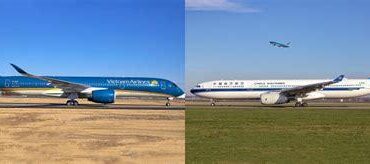
At the same time, premium airlines like Singapore Airlines and Qantas continue to strengthen their presence in the Asia-Pacific market. Qantas retained a 15.8% share of international passenger traffic, a testament to its dominance on popular routes between Australia and Asia. With more Australians opting for holidays that deliver exceptional value without sacrificing quality, it is little surprise that Asia is thriving.
Leisure Reigns Supreme: Australians Choose to Unwind
Leisure travel remains the primary motivator for Australians heading abroad, comprising around 60% of all international trips. This underscores the enduring desire for relaxation, cultural enrichment, and adventure. Destinations across Asia cater perfectly to these needs, offering everything from bustling urban experiences in Shanghai and Osaka to tranquil beach escapes in Da Nang or Phu Quoc. Visits to friends and family also remain strong, especially in regions with substantial diasporas, peaking at 34.8% of outbound travel in February 2025.
Business travel, in contrast, continues to trail behind, as companies adopt hybrid work practices and reduce non-essential travel. While economic pressures persist, Australians are prioritizing holidaymaking, seeking out destinations that provide both inspiration and value for money.
Australia’s Inbound Tourism: A Two-Way Street
While Australians flock to Asia, the nation itself is benefiting from a resurgence in inbound tourism. The year ending April 2025 saw 8.36 million international arrivals, up 6.7% from the previous year. China led the way, with a 23.4% increase in visitors, followed by Japan at 12.9% and South Korea at 11.9%. This reflects the growing appetite for Australian destinations among Asian travelers, drawn by iconic landmarks, natural beauty, and friendly hospitality.
April 2025 was a standout month, with international arrivals rising by 8.1% year-on-year. The United Kingdom showed an extraordinary 39.5% increase, spurred by the easing of travel restrictions and enhanced air connectivity. Meanwhile, China’s 27.1% jump in visitors reaffirmed its position as a key source market for Australia’s tourism sector.
The Outlook for 2025: Asia’s Momentum Set to Continue
Looking ahead, the Australian travel market is poised for further evolution. Analysts expect Asia’s popularity among Australian tourists to endure through the remainder of 2025, driven by continued demand for affordable, accessible, and enriching experiences. The prospect of a rebound in US travel remains on the horizon, contingent on exchange rate movements and broader economic stability. However, for now, the gravitational pull of Asia appears unassailable.
Inbound tourism to Australia is also on track for sustained growth, with China, Japan, and South Korea likely to be major contributors. The interplay between outbound and inbound travel highlights Australia’s integral role in the dynamic Asia-Pacific tourism ecosystem.
As Australians increasingly embrace the rich tapestry of experiences offered by Vietnam, Japan, and China, the country’s travel landscape is undergoing a profound transformation—one that underscores the enduring connections between Australia and its regional neighbors.