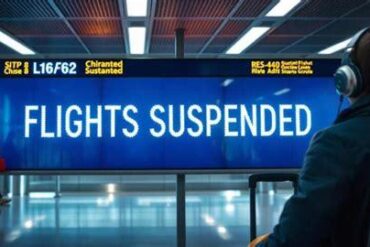
The FlySafair pilot strike has thrown South Africa’s domestic air travel market into turmoil, forcing thousands of passengers to rethink their travel plans and explore alternative carriers. Since the strike began on Monday, the airline has canceled at least 26 flights, leaving travelers stranded at major hubs like OR Tambo International Airport and Cape Town International. The industrial action, triggered by a bitter pay dispute, is projected to last up to two weeks, creating a ripple effect across the aviation sector.
Why the FlySafair Strike Happened
The strike stems from pay disagreements between FlySafair management and its pilots, who reportedly earn between R1.8 million and R2.3 million annually, placing them among the country’s highest-paid professionals. Despite these figures, pilots have raised concerns about compensation structures and long-term labor conditions, prompting them to take to the picket lines. FlySafair’s Chief Marketing Officer, Kirby Gordon, acknowledged that the airline was caught off guard, describing the development as “regrettable but inevitable.”
Refunds and rebooking efforts are underway, but the disruption has left passengers anxious and eager to secure alternative arrangements. For many South Africans, the strike has reopened conversations about airline reliability, labor relations, and the broader health of the domestic aviation industry.
The Immediate Impact on Travelers
For business and leisure travelers alike, the sudden grounding of FlySafair flights has created logistical chaos. Families have been forced to postpone holidays, business professionals are scrambling for urgent last-minute bookings, and connecting flights—both domestic and international—are being disrupted.
Domestic competitors have stepped in to meet the surging demand, with some airlines adding extra flights to absorb displaced passengers. But ticket prices on alternative carriers have already spiked due to the sudden surge in demand, further frustrating affected travelers. Experts warn that extended industrial action could see these issues persist well into the coming weeks.
Exploring Alternative Airlines in South Africa
For stranded travelers, there is no shortage of alternative airlines, each offering unique benefits in terms of cost, reliability, and service quality. Here’s a closer look at the top carriers stepping in to fill the void:
Lift Airlines: Flexible and Passenger-Centric
Launched in December 2020, Lift Airlines has quickly built a reputation for its passenger-friendly policies. With a no-fee change and cancellation policy, generous baggage allowances, and pet-friendly services, Lift has become a preferred choice for travelers seeking flexibility. Operating Airbus A320 aircraft on key routes between Johannesburg, Cape Town, and Durban, the airline is stepping up to accommodate FlySafair’s stranded passengers by adding extra flight schedules where possible.
South African Airways (SAA): A Resilient Comeback
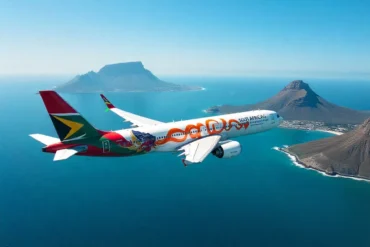
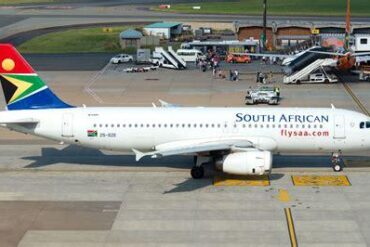
Once teetering on the edge of collapse, South African Airways has undergone a remarkable transformation since returning to the skies in 2021 under the Takatso Consortium. With new private investment, SAA has not only restored several domestic and international routes but also recently posted its first profit since 2011. Ranked the 4th best airline in Africa in 2025, SAA is emerging as a credible and competitive alternative for FlySafair’s displaced customers.
Airlink: Reliability Above All
Established in 1992, Airlink has become a cornerstone of regional aviation in Southern Africa. Operating a fleet of approximately 70 Embraer aircraft, the airline serves over 45 destinations across sub-Saharan Africa. A recent 25% investment by Qatar Airways has bolstered Airlink’s operational and financial stability, cementing its reputation for punctuality, efficiency, and dependability. With expanded capacity and regional reach, Airlink is proving to be an attractive option for business travelers and those needing seamless connectivity.
CemAir: Serving Niche Markets
Founded in 2005, CemAir operates a fleet of 26 smaller aircraft, focusing on niche destinations such as Bloemfontein, Kimberley, and smaller regional hubs. While the airline has faced regulatory hurdles in the past, it remains a viable option for travelers seeking access to underserved areas. Reviews of CemAir remain mixed—praised for comfort and reliability in some cases, but criticized for occasional last-minute cancellations.
British Airways (Operated by Comair): Premium Comfort
For passengers prioritizing premium service and comfort, British Airways’ South African operations remain an attractive choice. Operated by Comair, this regional unit is geared towards business and high-end leisure travelers, offering top-tier safety standards, onboard comfort, and service excellence. Though not a budget airline, its reliability and strong customer satisfaction scores make it a trusted alternative for routes like Johannesburg–Cape Town and Durban–Johannesburg.
How the Strike Could Reshape South Africa’s Airline Market
The FlySafair strike has highlighted critical vulnerabilities within the country’s domestic aviation sector. With travelers forced to reconsider their loyalty to FlySafair, the strike could lead to long-term shifts in market share, benefitting competitors like Airlink and Lift Airlines.
Tourism experts suggest that this crisis may accelerate changes in traveler behavior, with passengers placing greater emphasis on airline stability, transparent pricing, and strong customer service. Business travelers, in particular, are showing a growing preference for well-established carriers with proven reliability, such as Airlink and British Airways.
If FlySafair fails to resolve the strike quickly, it risks losing significant ground to competitors—a potentially devastating blow to an airline that has been one of the fastest-growing domestic carriers in recent years.
Advice for Stranded Passengers
Travel specialists strongly urge travelers to stay informed and proactive during this disruption. Here are a few key recommendations:
- Check flight statuses regularly on the airline’s website or through direct customer service channels.
- Request refunds or rebookings as soon as possible, as availability on alternative carriers is diminishing quickly.
- Consider alternative routes or nearby airports to secure timely departures.
- Monitor announcements from aviation authorities and travel advisories for the latest updates.
Experts also stress the importance of having a “Plan B” when booking flights in volatile markets—especially in sectors prone to labor disputes.
What’s Next for FlySafair?
As negotiations continue, FlySafair faces mounting pressure to restore operations quickly to avoid losing its customer base. Industry analysts warn that extended strikes can erode passenger trust and result in long-term reputational damage. For now, the airline is processing refunds and attempting to rebook affected passengers, but the uncertainty is pushing many toward competitors that promise greater reliability.
The Bigger Picture: A Turning Point for South African Aviation
The FlySafair strike may mark a turning point in South Africa’s domestic airline industry. As travelers diversify their airline choices and prioritize stability over pricing, the competitive landscape could shift dramatically in favor of carriers that demonstrate resilience, adaptability, and customer-centric policies.
With Lift Airlines expanding routes, SAA regaining market confidence, Airlink strengthening its regional footprint, and British Airways maintaining its premium niche, South Africa’s aviation sector is set for a major realignment—one that could redefine air travel preferences in the country for years to come.