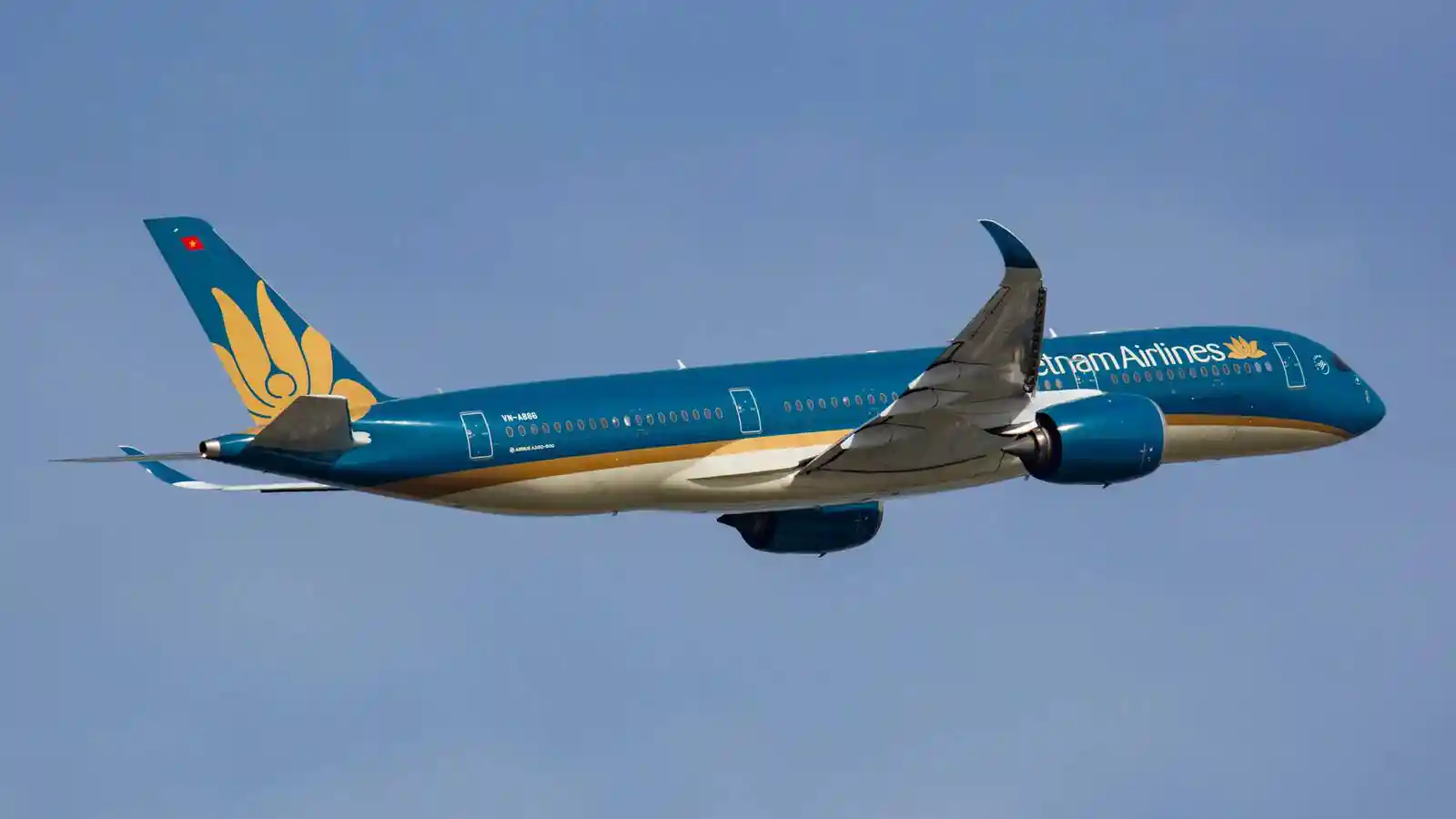
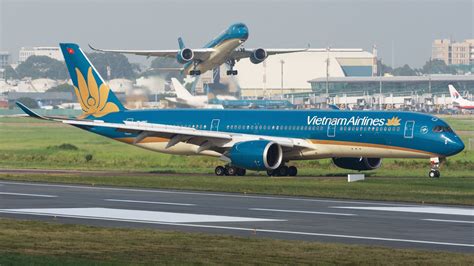
Vietnam Airlines has secured a place in the Airbus A350 record books after completing one of the longest flights ever operated by the aircraft type. The airline’s A350-900 flew approximately 10,190 miles (16,398 kilometers) nonstop from Simón Bolívar International Airport in Caracas, Venezuela, to Noi Bai International Airport in Hanoi, Vietnam, following a humanitarian relief operation. The extraordinary journey lasted more than 18 hours, demonstrating the aircraft’s impressive endurance and the growing role of modern widebody jets in missions beyond traditional commercial aviation.
The record-setting flight was not a scheduled passenger service but a special positioning flight after Vietnam Airlines completed a major emergency response mission in Venezuela. The operation placed the carrier among a select group of operators that have pushed the limits of the A350’s capabilities, proving that the aircraft can perform exceptional long-range missions when operational conditions allow.
A Humanitarian Mission That Created an Aviation Milestone
The journey began when Vietnam Airlines launched relief flights to support recovery efforts following a devastating earthquake in Venezuela. The first mission, operating as Flight VN66, departed Hanoi carrying 124 rescue personnel, 10 search and rescue dogs, and approximately 27.6 tons of emergency supplies and specialized equipment. The aircraft made a planned technical stop at Paris Charles de Gaulle Airport before continuing to Caracas.
Shortly afterward, the airline operated a second humanitarian mission, Flight VN68, transporting additional rescue equipment and approximately 51.6 tons of relief supplies. These flights required extensive coordination between Vietnam’s government agencies, airline operations teams, engineers, and ground handling specialists. Moving rescue teams and heavy equipment across continents within a short timeframe highlighted the logistical flexibility of modern aviation.
After completing the humanitarian deployment, the aircraft began its return journey from Caracas to Hanoi. With no passengers requiring a commercial schedule and with careful fuel planning, favorable winds, and optimized routing, the Vietnam Airlines A350-900 achieved the remarkable nonstop distance that placed it second among the longest A350 flights ever recorded.
Why the Airbus A350 Was Able to Fly Beyond Its Normal Range
The Airbus A350-900 is generally listed with a maximum range of around 8,900 miles (14,350 kilometers), but real-world aircraft performance depends on many variables. Factors including payload, weather conditions, wind patterns, flight routing, and fuel management strategies can significantly influence how far an aircraft can travel.
Special missions often allow airlines to configure aircraft differently from normal passenger operations. By carefully managing cargo weight, fuel requirements, and operational planning, aircraft can sometimes exceed their typical published range. This is particularly valuable during humanitarian missions, where speed and distance can be critical.
The A350’s advanced design makes it especially suitable for such operations. Built with a high percentage of carbon-fiber composite materials, efficient Rolls-Royce engines, and advanced aerodynamics, the aircraft delivers strong fuel efficiency while maintaining long-range capability. These qualities have made the A350 a preferred choice for airlines operating some of the world’s most demanding routes.
How Vietnam Airlines’ Flight Compares With Other A350 Records
Vietnam Airlines’ Caracas-to-Hanoi flight currently ranks as the second-longest Airbus A350 flight ever completed. The only flight that exceeded it was a special mission operated by the German Air Force in 2020, which established the aircraft type’s current distance record.
The achievement is particularly notable because it surpassed the distance covered by Singapore Airlines’ Airbus A350-900ULR flights between Singapore and New York, which are among the world’s longest scheduled commercial passenger services. While those flights hold the distinction of being the longest regular passenger routes, special-purpose operations have demonstrated that the A350 can travel even farther under carefully controlled conditions.
The difference between scheduled services and special missions is significant. Commercial flights must balance passenger comfort, cargo capacity, operational reliability, and profitability. Humanitarian or government missions, however, may prioritize range, speed, and mission completion, allowing aircraft to be used in ways that are not possible in normal airline operations.
The Future of Ultra-Long Airbus A350 Operations
Although Vietnam Airlines has temporarily claimed a major milestone, the A350 distance record is expected to change in the coming years. Qantas’ Project Sunrise is preparing to introduce specially configured Airbus A350-1000 aircraft designed to operate nonstop flights from Sydney to destinations such as London and New York.
These future routes are expected to become the longest scheduled Airbus A350 services ever operated. Unlike previous demonstration flights, which used other aircraft types, Project Sunrise will bring ultra-long-haul A350 operations into regular commercial service.
Until then, Vietnam Airlines’ humanitarian mission remains one of the most remarkable examples of the aircraft’s capabilities. The flight was not simply a record-breaking journey; it was evidence of how advanced aviation technology can support urgent global needs.
The Caracas-to-Hanoi flight showed that the Airbus A350 is more than a passenger aircraft. It is a highly capable long-range platform that can connect continents, deliver emergency assistance, and complete missions once considered impossible for commercial airliners. Vietnam Airlines’ achievement will remain a significant chapter in the continuing story of ultra-long-haul aviation.