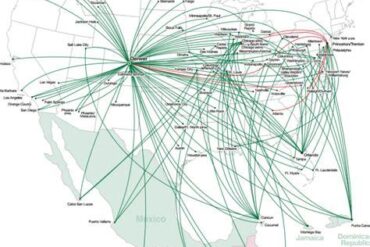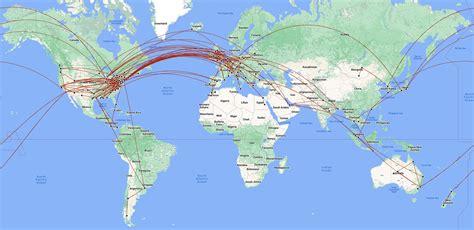
Global air connectivity is undergoing a transformative shift as new long-haul and strategic flight routes redefine how countries interact, trade, and explore. In the first week of June 2025, leading airlines including United Airlines, KLM, TAP Air Portugal, Scoot, and Aeromexico unveiled bold new services that bridge continents and unlock unprecedented access to international markets. These routes, initiated across the United States, Greece, Portugal, Netherlands, Guyana, Mexico, Singapore, and Austria, are not only commercially strategic but also culturally significant, opening the door for enhanced tourism, business collaboration, and global diplomacy.
United Airlines and Norse Atlantic Push Boundaries with Transatlantic Ambition
The latest developments in transatlantic air travel were marked by Norse Atlantic Airways’ launch of its longest route to date: a direct service between Athens and Los Angeles. Commencing June 3, this Boeing 787-9-operated route clocks in at over 13 hours, linking the cultural cradle of Europe with the entertainment capital of the world. The service, running four times weekly, expands Norse Atlantic’s footprint in the low-cost, long-haul segment while giving travelers on both ends increased accessibility.
This route, in line with Norse Atlantic’s aggressive expansion strategy, is more than a novelty—it signals the rising demand for nonstop intercontinental travel driven by leisure and diaspora populations. With the Mediterranean region seeing a boom in tourism, particularly from North America, the Athens–Los Angeles flight positions Norse to capitalize on this lucrative corridor.
TAP Air Portugal Opens New Channel Between the Azores and California
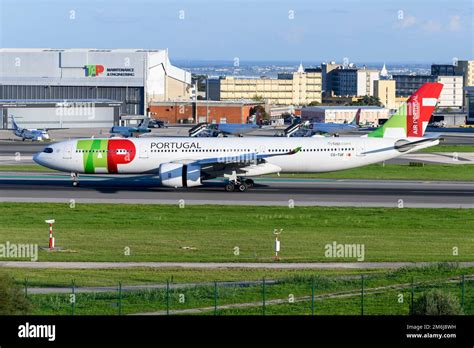
Also on June 3, TAP Air Portugal initiated a notable route that now links Lisbon to Terceira Island in the Azores, with a continuing leg to San Francisco aboard its Airbus A330-900neo. This flight positions TAP as a key transatlantic player by connecting one of the United States’ busiest gateways to Europe with an increasingly important regional destination in the Azores.
San Francisco represents a strategic hub in TAP’s growing U.S. portfolio, offering travelers from California enhanced access to Portugal and the greater European continent. In turn, the Azorean community in North America gains a direct link to the homeland, simplifying family visits and cultural exchange.
Air Canada Reinforces European Presence with Porto and Prague Routes
Air Canada has returned to the Czech Republic with a new Toronto–Prague service, while also launching a Montreal–Porto route. Both began in early June and reflect Air Canada’s commitment to deepening its transatlantic network.
The Prague flight, operated three times a week, signifies a reentry into a market previously served by Air Canada Rouge. Now under the mainline brand and utilizing the Airbus A330-300, the airline is well-positioned to compete on routes long favored by Canadian tourists and European expats. Meanwhile, the Montreal–Porto route supports strong demand among Portuguese-Canadian communities and opens another gateway into Iberia for Canadian travelers.
KLM’s Entry into Guyana Marks a South American Expansion
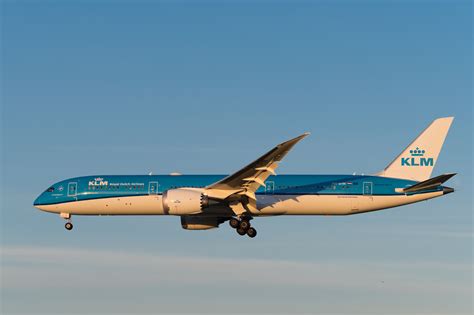
On June 4, KLM Royal Dutch Airlines marked its first-ever entry into Guyana, with a new Amsterdam–St. Maarten–Georgetown route. Using the Boeing 787-9 Dreamliner, this twice-weekly flight enhances connectivity between the Caribbean, South America, and Europe.
Georgetown joins KLM’s South American network alongside cities like Bogotá, Buenos Aires, and Rio de Janeiro. This move not only introduces KLM’s world-class services to a new market but aligns with Guyana’s rise as an oil-exporting nation and emerging eco-tourism destination. KLM’s service now complements British Airways, which also operates flights to Guyana from the UK.
Southwest Airlines Enhances Domestic US Reach from Baltimore
In a robust domestic move, Southwest Airlines launched six new West Coast routes from Baltimore/Washington International Airport on June 5. These include daily flights to Long Beach, Ontario, San Francisco, San Jose, Portland, and Seattle. Notably, Long Beach and Ontario represent inaugural destinations for Southwest from Baltimore.
These additions aim to boost the airline’s competitive stance on the U.S. West Coast by providing low-fare alternatives with high-frequency access. The move further decentralizes air traffic from overburdened hubs and supports a more distributed, point-to-point travel model within the United States.
Scoot Brings Singapore Closer to Central Europe
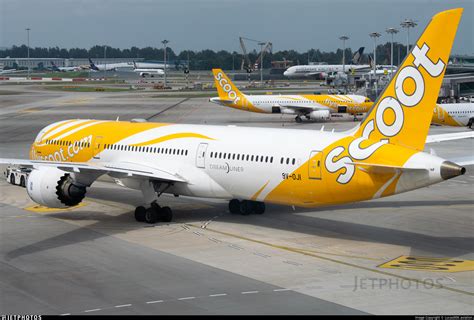
Singapore-based low-cost carrier Scoot—part of the Singapore Airlines Group—entered new territory by launching its longest flight yet: Singapore to Vienna. This three-weekly service began June 3 using the Boeing 787-8 Dreamliner, offering affordable, direct connectivity between Southeast Asia and Austria’s historic capital.
The route marks Singapore Airlines’ return to Austria after a 25-year gap, with Scoot offering both leisure and business passengers an economical alternative to traditional full-service carriers. The Vienna launch builds on Scoot’s success with Berlin and underlines its long-haul ambitions, positioning Vienna as a crucial bridge between Central Europe and Asia.
Canada’s Tampa Gateway: A First for Vancouver
Air Canada added a fresh connection between Vancouver and Tampa on June 3 with a twice-weekly flight utilizing the Boeing 737 MAX 8. This route is seasonal and runs through November 4, but its significance lies in the fact that Tampa has never been connected to Vancouver directly before.
The Sunshine State is a popular destination for Canadians seeking warm-weather getaways, and this new service responds to pent-up demand while offering expanded connections to Latin America and Asia via Vancouver’s international network. Rival carrier WestJet is also launching its own service on the route mid-June, indicating growing competitive interest in the Tampa market.
Spirit Airlines Reenters the Southeast with Columbia and Chattanooga
Spirit Airlines made headlines with its return to Columbia, South Carolina, after a 16-year hiatus, and the launch of its first-ever flights to Chattanooga, Tennessee. The ultra-low-cost carrier introduced three routes from each city—to Fort Lauderdale, Newark, and Orlando—starting June 4 and June 5 respectively.
These expansions allow Spirit to extend its reach into underserved secondary cities, bringing affordable, high-frequency options to regions historically dominated by major full-service carriers. For cities like Chattanooga, the new routes are transformational, potentially lowering fares and increasing traveler choice.
Aeromexico Boosts U.S. Access with Philadelphia and Atlanta Routes
Aeromexico made a strategic U.S. push with two new services launched on June 5. From Mexico City, Aeromexico now flies daily to Philadelphia, a move that gives the Mexican flag carrier better access to the U.S. Northeast. Simultaneously, its regional subsidiary Aeromexico Connect began service from San Luis Potosí to Atlanta, linking a key Mexican industrial city with Delta’s vast Atlanta hub.
Both services are emblematic of Aeromexico’s broader North American strategy, which leverages its joint venture with Delta Air Lines to offer seamless cross-border connections for both business and leisure travelers.

Conclusion: A New Era of International Air Travel Connectivity
The developments between June 3 and June 9 paint a clear picture: the world is moving faster, farther, and more efficiently than ever before. Airlines are no longer just focused on high-volume hubs—they’re connecting secondary cities, reopening historical routes, and even creating new intercontinental bridges that cater to shifting global demand patterns.
From low-cost long-haul services to premium transatlantic relaunches, this wave of airline expansions is empowering travelers with greater choice, convenience, and affordability. More importantly, it demonstrates the resilience and evolution of global aviation in the post-pandemic era. Countries like the United States, Greece, Portugal, the Netherlands, Guyana, Mexico, Singapore, and Austria are not just linked by treaties or trade—they are now bound by flight paths that reflect a new global reality: connected, competitive, and collaborative skies.