Navigating the journey from the historic charm of Savannah, Georgia, to the bustling Hartsfield-Jackson Atlanta International Airport (ATL) presents travelers with several options, each with its own set of considerations. For those seeking a budget-conscious alternative to driving or flying, the Greyhound bus service often emerges as a prominent contender. Offering a seemingly straightforward route, the prospect of a direct, approximately four-hour trip for around $50 each way can be alluring. However, the reality of this intercity bus experience is multifaceted, with passenger experiences ranging from pleasantly uneventful to deeply problematic. This comprehensive guide delves into the intricacies of taking the Greyhound from Savannah to the Atlanta airport, drawing upon real-world accounts and practical considerations to help you make an informed decision.
The primary appeal of the Greyhound service for the Savannah-ATL airport route lies in its perceived convenience and affordability. For individuals without personal vehicles, students, or those simply looking to minimize travel expenses, the bus appears to offer a direct link between these two key Georgian cities. The advertised travel time of roughly four hours, while longer than driving directly, is often seen as a reasonable trade-off for the cost savings, especially when compared to the price of a last-minute flight or the cumulative expenses of gas, wear and tear on a personal vehicle, and airport parking. The idea of settling in for a few hours, perhaps catching up on sleep or work, while someone else handles the driving through Georgia’s landscapes can indeed be an attractive proposition.
However, the journey begins long before one boards the bus, starting with the Savannah Greyhound station itself. Prospective passengers should be aware of the station’s operational nuances. User reports indicate that if your scheduled departure is late at night, such as midnight, the station building itself may not be open to the public. Instead, a lone security guard might be present, primarily to manage access and potentially direct passengers. This lack of an indoor waiting area during off-hours can be a significant discomfort, particularly during inclement weather or for those concerned about safety in a less-than-sheltered environment. Arriving well in advance of your scheduled departure is always advisable, but the standard recommendation to arrive at least 15 minutes early might need to be extended, especially given some of the reliability concerns that have surfaced.
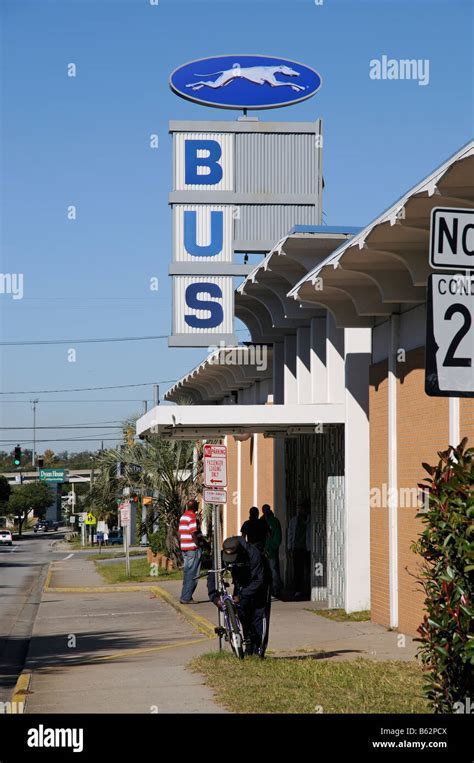
One of the most critical aspects of any travel plan, especially one connecting to a flight, is punctuality and reliability. Unfortunately, experiences with the Greyhound service between Savannah and Atlanta highlight significant inconsistencies. A particularly harrowing account detailed a bus scheduled for a midnight departure from Savannah that reportedly left 35 minutes early, without any prior notification or on-site personnel to explain the premature departure. The passenger, who had arrived 30 minutes before the scheduled time, discovered this discrepancy only by using a tracking feature on their ticket after the bus failed to appear. This incident underscores a potential flaw in operational procedures and communication, leaving travelers stranded and facing dire consequences, especially when time-sensitive commitments like court appearances or flights are at stake. The subsequent ordeal of attempting to secure a refund and the lack of accessible customer service channels—no direct phone line, no in-person attendants, and an unhelpful chat feature—further compounds the frustration and financial burden, turning a supposedly budget-friendly trip into an expensive and stressful misadventure.
Onboard Experience: A Mixed Bag of Comfort and Concern
The in-bus experience on the Savannah to Atlanta Greyhound route is, by many accounts, highly variable. It can depend significantly on the specific bus assigned to the route, the demeanor and professionalism of the driver, and, perhaps most unpredictably, the conduct of fellow passengers. Some travelers report perfectly acceptable journeys, describing the trip as “convenient” and an opportunity to “hop on the bus and take a nap.” Others have found the experience to be “fine” or having “no drama,” suggesting that when operations run smoothly and the environment is calm, the Greyhound can indeed serve its purpose adequately. These positive accounts often highlight the cost savings as a major benefit that can offset the longer travel time compared to other modes of transport.
Conversely, a significant number of passengers have reported less than satisfactory, and sometimes alarming, conditions. The term “skeezy” has been used to describe the general ambiance, with cleanliness being a recurring issue; some buses are described as simply “filthy.” Beyond mere discomfort, serious safety concerns have been raised. One disturbing report detailed an incident where a male passenger was allegedly groping another, leading to a physical altercation where other passengers intervened. The bus driver’s response was to remove the offending individual from the bus on the side of Interstate 16, not at a designated stop or exit, which raises questions about passenger safety protocols and conflict resolution. Such incidents, while hopefully not commonplace, contribute to a perception of an unpredictable and potentially unsafe environment. The atmosphere at the Atlanta Greyhound station upon arrival has also been described as hosting a “whole cast of wild characters,” which can be unsettling for travelers, particularly those arriving late at night or unfamiliar with the area.
Pre-COVID, some passengers recall the route sometimes including a stop in Macon, which could add to the journey time but also offered an intermediate point for other travelers. The consistency of these stops and the overall route adherence can vary. While some find the four-hour journey manageable, even this duration can feel excessive, especially when tacked onto a long international flight. Imagine arriving at Hartsfield-Jackson after a grueling trip from Australia, then facing a multi-hour wait for the bus, followed by the four-hour bus ride to Savannah, arriving past midnight, and still needing to arrange a final leg home. In such scenarios, the perceived convenience can quickly dissipate.
From Atlanta Greyhound Station to Hartsfield-Jackson Airport
Upon arrival in Atlanta, the journey is not yet complete for those heading to Hartsfield-Jackson Atlanta International Airport (ATL). The Greyhound station in Atlanta is not located directly at the airport, necessitating a further transfer. Travelers typically have two main options: a rideshare service like Uber or Lyft, or Atlanta’s public transit system, MARTA. The cost of an Uber or Lyft from the Greyhound station to the airport can be “pretty steep,” adding a significant, and sometimes unexpected, expense to the overall travel budget. This is a crucial factor to consider when comparing the total cost of the Greyhound option versus other alternatives.
Alternatively, MARTA offers a more economical way to reach the airport. However, this option also comes with its own set of considerations. Some travelers have reported feeling unsafe or experiencing harassment on MARTA, particularly after an already taxing bus journey. The decision to use MARTA may depend on individual comfort levels, time of day, amount of luggage, and prior experiences with public transit in large cities. This final leg of the journey adds another layer of complexity and potential stress, requiring passengers to navigate a new environment after disembarking from the bus.

Customer Service and Reliability: A Critical Assessment
The experience of the passenger whose bus left 35 minutes early from Savannah, without notice or recourse, paints a stark picture of Greyhound’s customer service challenges. The inability to reach a customer service representative via phone, the absence of on-site staff during critical hours, and a non-functional online chat system for complaints are serious deficiencies for a company that bills itself as the largest bus operator in the United States. The process to obtain a refund in that instance was arduous, involving multiple contact attempts across various platforms including Twitter, Facebook, and email. The initial offer of a partial refund in the form of a travel voucher with a limited validity period, rather than a full monetary refund to the original payment method, further illustrates a customer service approach that can feel dismissive of the passenger’s inconvenience and financial loss. Eventually, a full refund to the card was promised, but with a lengthy processing time of “2 to 3 billing cycles or 19 business days.” The total cost incurred by this one service failure—over $700 for last-minute flights and additional Ubers—dramatically highlights the potential financial fallout when relying on a service that proves unreliable, particularly for crucial travel like connecting to flights or attending important appointments.
This incident is not necessarily an isolated case of frustration. While many journeys may proceed without such dramatic failures, the difficulty in resolving issues when they do arise is a recurring theme in customer feedback across various routes. For travel to an airport, where punctuality is paramount, this level of unreliability and opaque customer support presents a significant risk. Missing a flight due to a bus delay or cancellation can have cascading financial and logistical consequences far exceeding the initial cost of the bus ticket.
Weighing the Pros and Cons: Is Greyhound Your Best Bet?
When considering the Greyhound from Savannah to the Atlanta airport, a careful weighing of pros and cons is essential, tailored to your individual priorities and risk tolerance.
Potential Advantages:
- Cost-Effectiveness: For budget-conscious travelers, the ticket price can be significantly lower than other options.
- Direct Route (Theoretically): The service is marketed as a direct connection, avoiding the need to navigate multiple changes if driving unfamiliar routes.
- No Driving Stress: Passengers can relax, sleep, or work without the burden of driving, traffic, and navigation.
Significant Disadvantages:
- Unreliability and Punctuality Issues: Reports of buses leaving early, significant delays, or cancellations without adequate communication are concerning.
- Safety Concerns: Incidents involving passenger misconduct and the general atmosphere at some stations and on some buses can be unsettling.
- Inconsistent Service Quality: The cleanliness of buses, professionalism of staff, and overall comfort can vary wildly.
- Poor Customer Support: Difficulty in reaching customer service and resolving issues like refunds can be a major source of frustration.
- Unpleasant Travel Environment: Some passengers report dirty buses and an uncomfortable or “skeezy” atmosphere.
- Additional Transfer Costs/Hassle: The need to transfer from the Atlanta Greyhound station to the airport adds time, cost (especially for Ubers), and potential stress.
- Station Conditions: Lack of amenities or even shelter at stations, particularly during off-hours, can be problematic.

Ultimately, if your travel plans are highly flexible and your budget is the absolute primary concern, the Greyhound might be a viable option. However, if you have a flight to catch, value predictability, or have concerns about personal comfort and safety, the potential downsides may outweigh the cost savings.
Exploring Alternatives: Beyond the Hound for Savannah-ATL Travel
Given the mixed experiences with Greyhound, it’s prudent to consider other ways to travel between Savannah and Hartsfield-Jackson Atlanta International Airport.
- Driving or Renting a Car: This remains a popular option, offering complete control over your schedule, luggage capacity, and route. The drive is approximately 4-5 hours. However, costs include fuel, potential rental fees (if you don’t own a car), and airport parking, which can be substantial for longer trips. The stress of navigating Atlanta traffic, especially around the airport, is also a factor.
- Flying from Savannah (SAV) to Atlanta (ATL): While this involves a flight to catch a flight, it’s the fastest option. However, it’s typically the most expensive, and you still need to factor in time for security at both airports.
- Rideshare Services (Long-Distance): Services like Uber and Lyft may offer long-distance trips, but the cost for a Savannah to Atlanta journey would likely be prohibitively expensive for most, potentially running into several hundreds of dollars.
- Private Shuttle Services: Some private shuttle companies may offer services between Savannah and the Atlanta airport. These can offer more comfort and directness than a public bus but will come at a higher price point. Researching current operators and their reviews is crucial.
- The Elusive Train: A Community’s Longing: A significant point of discussion among Savannah and Atlanta residents is the conspicuous lack of a practical passenger train service connecting these two major Georgia cities directly to the airport. Many express a strong desire for a train line, envisioning routes that could run through Macon, Athens, or Augusta, potentially even a high-speed rail link. Such a service would not only benefit airport travelers but also connect communities and economic hubs like the Hyundai megasite. The current Amtrak offering is notoriously impractical for this specific journey, with routes that often involve lengthy detours northwards, transfers, and travel times exceeding 24 hours – a stark contrast to the 4-5 hour driving time. Comparisons are often drawn to other regions, like the Midwest, where Amtrak successfully operates between cities of similar distances with travel times comparable to driving. There’s a historical footnote that “there used to be a train,” and speculation abounds as to why such a vital link no longer exists or hasn’t been re-established, with some pointing fingers at the “airline lobby in GA.” Despite studies, like one reportedly conducted in 2021, and calls to elected officials (including Governor Kemp), tangible progress on a Savannah-Atlanta rail corridor remains slow, much to the frustration of those who see its immense potential.
Some travelers have mentioned a desire for higher-end express bus lines, like Vonlane (which operates in Texas), as an interim solution, offering more comfort and amenities than standard bus services. However, the availability of such premium services specifically for the Savannah-Atlanta airport route needs to be verified.
Tips for a Smoother Greyhound Journey (If You Must)
If, after considering all factors, you decide that the Greyhound bus from Savannah to the Atlanta airport is your chosen method of travel, here are a few tips to potentially mitigate some of the risks and discomforts:
- Book Wisely and Track Your Bus: Book your ticket in advance, but be acutely aware of the terms and conditions regarding changes, cancellations, and refunds. If a tracking feature is available for your bus, utilize it, but don’t solely rely on its accuracy, as evidenced by past issues.
- Arrive Extremely Early: Especially for late-night or early-morning departures from Savannah, arrive well before the recommended time. This provides a buffer for unexpected issues and allows you to assess the station situation.
- Have a Contingency Plan: This is crucial if you’re traveling to catch a flight. Know your alternative options (even if more expensive) and have the means to implement them if your bus is significantly delayed, cancelled, or departs unexpectedly early.
- Manage Expectations: Be prepared for the possibility of delays, a less-than-spotless bus, and a diverse range of fellow passengers. A realistic outlook can prevent disappointment.
- Pack Smart: Bring essentials like water, snacks, a neck pillow, headphones, hand sanitizer, and entertainment. Dress in layers for comfort, as bus temperatures can be unpredictable.
- Stay Alert and Prioritize Safety: Be aware of your surroundings at stations and on the bus. Keep valuables secure and out of sight. If you feel unsafe, try to move to a different seat or discreetly alert the driver if appropriate.
- Confirm Atlanta Transfer Options: Before your trip, research the cost and logistics of getting from the Atlanta Greyhound station to the airport, whether by rideshare or MARTA, so you know what to expect upon arrival.
The Savannah to Atlanta Airport Greyhound: A Calculated Risk
The Greyhound bus service from Savannah to Hartsfield-Jackson Atlanta International Airport presents itself as an economical travel solution. For some, it delivers on this promise, providing a no-frills, relatively inexpensive journey. However, the wealth of passenger experiences indicates that choosing this option is a calculated risk. Issues with reliability, punctuality, cleanliness, onboard safety, and customer service are significant concerns that cannot be overlooked, especially when air travel connections are involved. The dream of a direct, efficient, and comfortable public transport link, perhaps a modern train service, remains a strong aspiration for many Georgians frustrated by the current limitations.
Ultimately, the decision rests on your individual priorities. If cost is the paramount factor and your schedule has ample flexibility, the Greyhound might serve your needs. But if reliability, comfort, and peace of mind are high on your list, exploring alternative transportation methods, despite their potentially higher costs, is strongly recommended for the journey between the historic streets of Savannah and the global gateway of Atlanta’s airport.