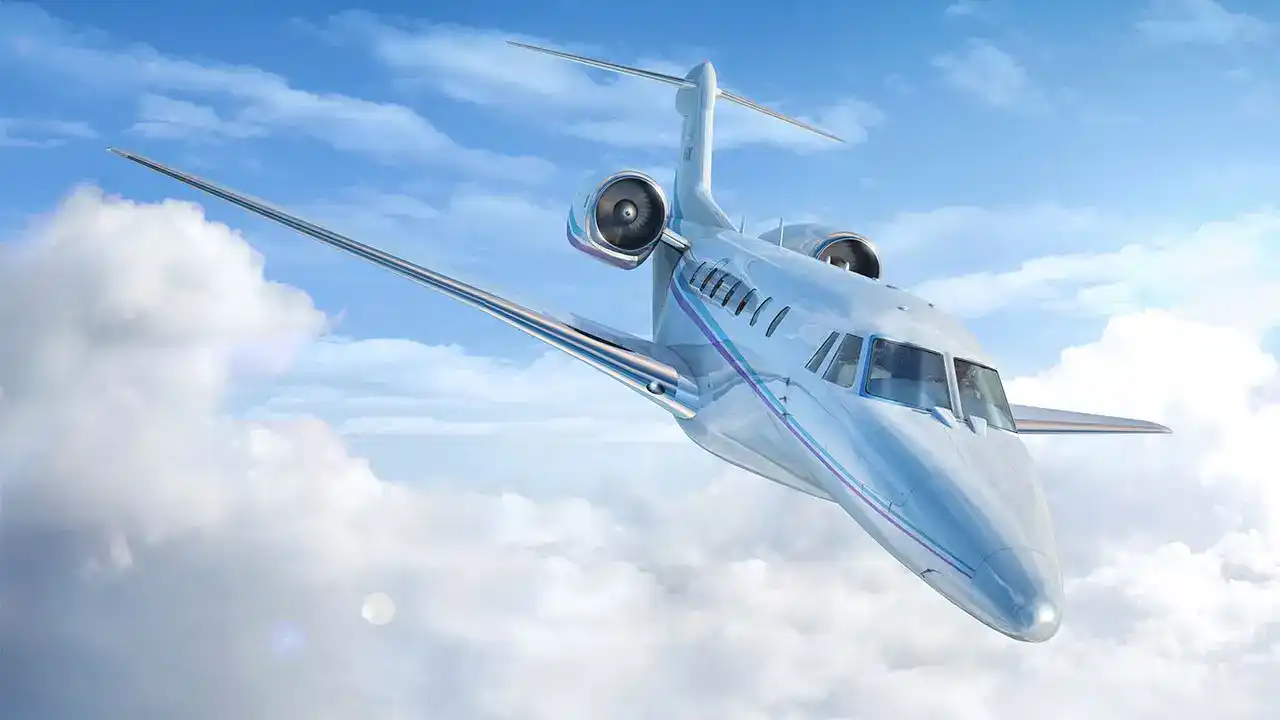
From the simple joy of gliders to the huge investment in commercial jets, airplane costs cover a wide range. Whether you’re into aviation as a hobby or you’re just curious, understanding the cost of owning or flying a plane involves several layers. Let’s explore what influences aircraft pricing and how different planes compare.
Key Takeaways
- Gliders / Ultralights: $5,000 – $100,000
- General Aviation Aircraft: $100,000 – $1,000,000 (New), $20,000 – $200,000 (Used)
- Small Private Jets / Single-Engine Turboprops: $2.2 million – $8.8 million
- Large Private Jets / Regional Jets: $10 million – $80 million
- Commercial Airliners: $80 million – over $400 million
How Much Do Airplanes Cost?
The cost of an aircraft depends on its type, size, purpose, and performance. Below, we break down what you can expect at each level.
Gliders and Ultralights Price
Example: Rolladen-Schneider LS4 Glider – $6,000
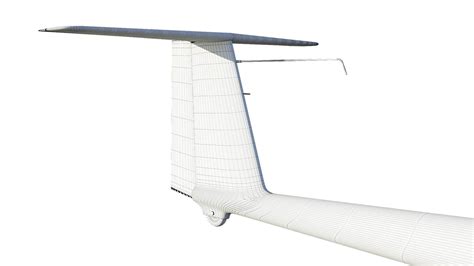
Gliders, also known as sailplanes, don’t use engines. They rely entirely on air currents to stay aloft. Most are used for fun, sport, or training, and are among the most affordable types of aircraft. Prices can start at just a few thousand dollars for used models. High-end competition gliders, though, can cost well into the six figures.
Ultralights, or microlights, are another low-cost option. These small, engine-powered aircraft are made for solo or two-person recreational flying. Entry-level models start at around $5,000. Mid-range ultralights can go up to $50,000, while the most advanced models can exceed $100,000.
Both gliders and ultralights have limitations. Gliders can only fly in good weather and require skill to control. Ultralights usually can’t fly as far or as high as larger planes and are also more affected by wind or storms.
Still, for those just getting into aviation or looking for a simpler flying experience, these types are an affordable and accessible entry point. Their low operating costs and simplicity are part of what makes them so appealing.
Glider & Ultralight Cost Breakdown:
- Basic Gliders: A few thousand dollars for used models
- New Recreational Gliders: $10,000 – $50,000
- High-Performance / Competition Gliders: $100,000 or more
- Basic Ultralights: Starting at $5,000
- Mid-Range Ultralights: $15,000 – $50,000
- Advanced Ultralights: $100,000+
General Aviation Airplane Price
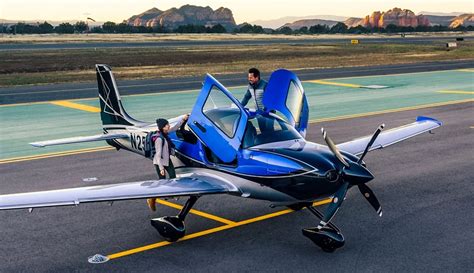
Example: Cirrus SR22 – $900,000
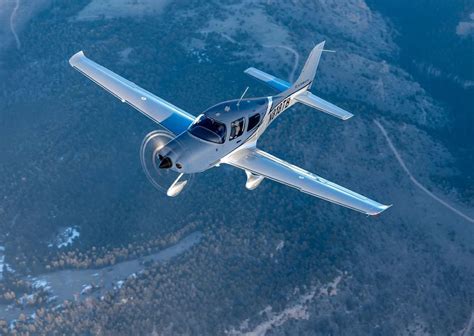
General aviation aircraft come in many forms, from small single-engine planes to more advanced twin-engine types. These aircraft are commonly used for personal flights, pilot training, and even short-distance business trips.
New general aviation planes usually fall between $100,000 and $1 million. Among the most popular are single-engine planes, which cost between $100,000 and $300,000 when new. They are ideal for everyday flying, learning to fly, or short-distance travel. Despite being small, many handle rough weather quite well.
If you’re looking for something more affordable, buying used is a great option. Used single-engine planes range from $20,000 to $200,000. The price depends on the aircraft’s age, condition, and technology.
Multi-engine airplanes are more powerful and typically used for more demanding missions like corporate travel, emergency services, or aerial photography. A brand-new twin-engine plane will usually cost between $500,000 and $1 million. These aircraft are faster and offer better redundancy, but they’re more expensive to fly and maintain.
Used multi-engine planes come with a lower price tag, typically between $150,000 and $700,000. For buyers who need more capability but want to avoid the high cost of a brand-new model, going used can be a smart and practical move.
Cessna Aircraft
- Cessna 150/152
- Used: These compact trainers range from $20,000 to $50,000, depending on the aircraft’s condition, age, and available avionics.
- New: No longer in production since the 1980s; only used models are available today.
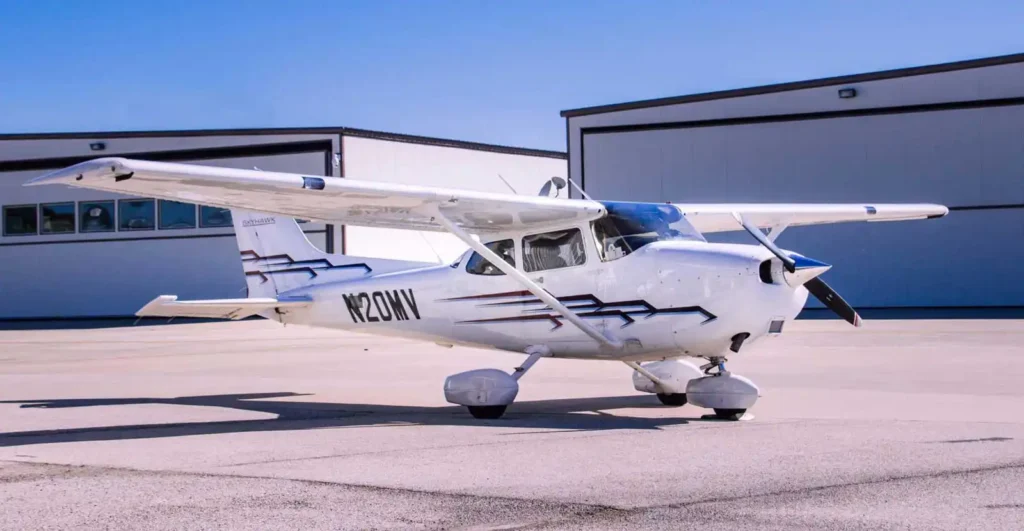
- Cessna 172 Skyhawk
- Used: Prices usually fall between $100,000 and $300,000, varying by year and included features.
- New: A brand-new model is priced at around $400,000.
- Cessna 182 Skylane
- Used: Expect to pay anywhere from $150,000 to $500,000.
- New: A new model will cost approximately $550,000.
- Cessna 206 Stationair
- Used: Models range between $250,000 and $700,000.
- New: A new Stationair is priced near $750,000.
Piper Aircraft
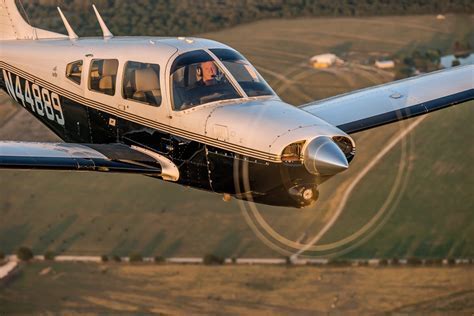
- Piper Cherokee Series (e.g., Cherokee 140, 180)
- Used: These legacy models are available for $50,000 to $150,000.
- New: Though the original Cherokee line is out of production, the modern version, the Piper Archer LX, is sold at around $500,000.
- Piper Archer LX
- Used: These typically go for $300,000 to $400,000.
- New: A new unit sells for roughly $500,000.
- Piper Arrow Series
- Used: Prices are typically between $100,000 and $250,000.
- New: Production has ended; only used models are on the market.
- Piper Saratoga Series
- Used: These aircraft cost around $200,000 to $600,000.
- New: No longer in production, so only pre-owned models are available.
Cirrus Aircraft
- Cirrus SR20
- Used: Priced between $200,000 and $400,000, depending on age and maintenance history.
- New: A new model costs around $550,000.
- Cirrus SR22
- Used: Usually ranges from $300,000 to $600,000.
- New: Comes in at about $900,000.
- Cirrus SR22T
- Used: These upgraded models range from $500,000 to $800,000.
- New: A brand-new one is priced around $1 million.
- Cirrus Vision Jet (SF50)
- Used: Expect prices between $2 million and $2.5 million.
- New: A new SF50 will set you back approximately $3.25 million.
Small Private Jet Price
Small private jets, often called light jets, are favored by individuals and small companies who want convenience and speed without the higher costs of large jets. These planes come with sleek interiors, solid avionics, and a comfortable ride, all in a smaller, more economical package.
Aircraft such as the Phenom 300 or Cessna Citation Mustang typically range between $3 million and $25 million, depending on age, customization, and included systems.
- Example: Embraer Phenom 300 – $9 million
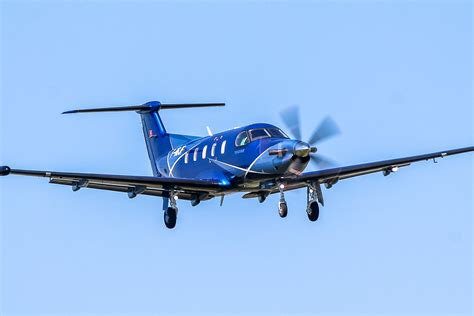
Single-engine turboprops are another option. These include models like the Pilatus PC-12 and SOCATA TBM 900 series. They’re known for being efficient yet capable, offering high speed, long range, and enough flexibility to land at smaller airports. They’re used for everything from air ambulance flights to corporate travel.
- Example: Pilatus PC-12 – $5 million
- Price Range: $2.2 million to $8.8 million or more
Small twin-engine turboprops, such as the Beechcraft King Air, used to be a popular alternative to light jets. While newer jets and modern turboprops have become fierce competition, the King Air still holds a strong resale market. It’s often used for more than just passenger flights, thanks to its versatility.
Small Private Jet Cost Breakdown
- Small Private Jets: $3 million – $25 million
- Single-Engine Turboprops: $2.2 million – $8.8 million+
Regional Jet Price
Large private jets, also called heavy jets, are designed for long-distance travel. With premium interiors and cutting-edge navigation systems, aircraft like the Gulfstream G series or Embraer Legacy offer a flying experience similar to a commercial airline, but with the privacy and flexibility of personal ownership.
- Example: Gulfstream G650 – $65 million
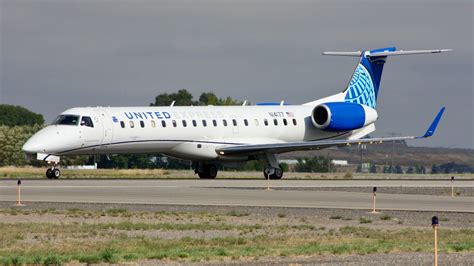
Regional jets, such as those in the Embraer ERJ series, are built for shorter commercial routes. Airlines use these jets to connect smaller cities with major airport hubs. Twin-engine turboprops, like the ATR series and De Havilland Canada Dash 8 (DHC-8), are commonly used for similar purposes, particularly where runways are short or terrain is challenging.
Embraer ERJ-145 Estimated Price: $10 million
The price for large private jets and regional airliners varies based on configuration, range, and features:
- Large Private Jets: $10 million – $80 million+
- Regional Jets: $10 million – $60 million+
Airliner Price Breakdown
Commercial airliners are designed for high-capacity transport of passengers and cargo across short and long distances. The cost depends heavily on the size, range, and seating capacity.
Small Airliners
Aircraft like the Boeing 737 and Airbus A320 are among the most widely used narrow-body jets for regional or short-haul routes. They provide operational efficiency and reasonable capacity for airline operators.
- Price Range: $50 million – $110 million+
- Example: Airbus A320 – $98 million
Large Airliners
Used for long-haul and international flights, large wide-body jets such as the Boeing 747 and Airbus A380 offer maximum capacity, extended range, and premium features. These jets are typically reserved for global carriers.
- Price Range: $200 million – $400 million+
- Example: Airbus A380 – $445 million
Airliner Cost Breakdown
- Small Airliners: $50 million – $110 million
- Large Airliners: $200 million – $400 million+
Additional Costs of Aircraft Ownership
While the purchase price is significant, several ongoing costs can greatly affect the total cost of aircraft ownership and operation. These include:
1. Fuel Costs
Fuel represents one of the largest recurring expenses in aircraft operation. Several variables influence fuel consumption and pricing:
- Aircraft Type:
More modern aircraft with fuel-efficient engines and aerodynamic designs tend to consume less fuel compared to older models. - Flight Hours:
The more you fly, the more fuel you consume. Usage frequency directly impacts fuel costs. - Fuel Market Prices:
Prices can fluctuate based on location, local taxation, and global market conditions. Fuel in some regions is significantly more expensive than in others. - Fuel Capacity:
Larger fuel tanks allow for fewer refueling stops and the ability to “tanker fuel,” which means buying fuel in cheaper regions and flying longer distances without paying premium fuel prices elsewhere.
2. Maintenance Costs
Proper aircraft maintenance ensures safety, reliability, and airworthiness. However, maintenance and repair costs can vary widely:
- Type of Aircraft:
Some aircraft are more maintenance-intensive than others. High-performance or complex systems often require frequent inspections and specialized service. - Aircraft Age:
Older airplanes generally require more frequent maintenance and may incur higher repair costs due to aging components. - Flight Hours:
Like automobiles, aircraft accumulate wear and tear over time. The more an aircraft is used, the more frequent its maintenance intervals become. - Location:
Costs can also vary regionally. Areas with higher labor rates or limited access to certified repair centers may drive up maintenance expenses.
3. Insurance Costs for Aircraft Ownership
Insurance is essential for protecting your investment and complying with regulatory standards. It can cover:
- Hull Insurance: For physical damage to the aircraft.
- Liability Coverage: For bodily injury, property damage, or third-party legal claims.
- Passenger Insurance: Required if carrying paying customers or multiple passengers.
- Ground Risk Insurance: For incidents while the aircraft is parked, in storage, or in transit on the ground.
Factors Influencing Aircraft Insurance Premiums:
- Type of Aircraft:
Larger, more complex aircraft often come with higher premiums due to their elevated replacement costs and perceived risk. - Aircraft Age:
Older planes may incur higher insurance rates because of increased risk of mechanical failure or structural issues. - Level of Usage:
More frequent flights raise the likelihood of incidents, which in turn elevates insurance costs. - Geographical Location:
Areas with elevated risks—such as high theft rates, extreme weather conditions, or terrorism threats—tend to drive premiums higher.
Crew Costs: Salaries, Training & Operational Support
For larger or commercially operated aircraft, crew expenses make up a significant part of the operational budget. These include:
- Pilot and Cabin Crew Salaries
- Benefits and Insurance
- Ongoing Training
- Ground Crew Support
Key Drivers of Crew Costs:
- Aircraft Type:
Larger aircraft generally require multiple crew members, both in the cockpit and in the cabin. - Operational Use:
Commercial flights, cargo runs, or private charters each come with distinct crew requirements. - Crew Availability:
Maintaining a standby crew ready at all times is significantly more costly than scheduling crews only when needed. - Flight Time Regulations:
Pilots face strict legal limits on how many hours they can fly or be on duty. To meet these limits for long routes or frequent operations, multiple crew teams may be necessary.
Hangar and Aircraft Storage Costs
When an aircraft is not in use, hangar and storage solutions are necessary to ensure its safety and preservation. These costs vary based on:
- Aircraft Size and Design:
Larger jets require more hangar space and specialized storage conditions. In contrast, smaller aircraft may be safely stored outdoors or in more compact facilities. - Location:
Urban or airport-adjacent locations command premium prices for hangar space. Climate also affects pricing, with colder or wetter regions requiring enclosed hangars for weather protection. - Maintenance Needs:
Some aircraft require specific equipment or maintenance procedures during storage, impacting the total cost of hangaring.
Cost Considerations:
- Utilities (electricity, heating, lighting)
- Security services
- Maintenance while in storage
- Leasing vs. Purchasing storage or hangar space
Aircraft Taxes and Regulatory Costs
Tax obligations for aircraft ownership differ depending on jurisdiction, registration, and usage (business vs. personal). While taxes can be a burden, strategic planning may offer financial advantages.
Key Tax Factors:
- Business Use Deductions:
If the aircraft is primarily used for business purposes, expenses such as fuel, maintenance, depreciation, and insurance may be tax-deductible. - Personal Use Limitations:
Aircraft used primarily for personal reasons may not qualify for deductions and may even incur luxury taxes or use-based levies. - Country or State of Registration:
Some regions offer tax-friendly environments for aircraft registration, while others impose heavy taxes on non-resident or foreign-based aircraft.
Conclusion: Total Aircraft Ownership Costs
The total cost of owning and operating an aircraft extends well beyond the initial purchase price. Consider the following categories:
- Insurance
- Crew salaries and operational staff
- Hangar/storage solutions
- Fuel and maintenance
- Taxes and compliance fees
Every aircraft type—from light jets to commercial airliners—comes with a unique set of expenses, influenced by its purpose, size, location, and usage. Evaluating these factors comprehensively ensures a clear understanding of your aircraft’s true cost of ownership.
Final Thoughts: The True Cost of Aircraft Ownership
From affordable ultralights to multimillion-dollar commercial airliners, the purchase price is only the starting point of aircraft ownership. Numerous ongoing operational expenses must be factored into your decision, including:
- Fuel and Maintenance
- Insurance and Crew Costs
- Hangar or Storage Fees
- Applicable Taxes
Understanding the total cost of ownership is critical for making informed decisions about purchasing or leasing an aircraft. These recurring expenses can accumulate quickly, especially for larger or more frequently used aircraft.
Taxes can either be a significant liability or a strategic financial advantage. Business-use aircraft may qualify for tax deductions that offset substantial portions of operational costs. To fully optimize these benefits, it is essential to work with a qualified aviation tax specialist or financial advisor.
Aircraft ownership is a complex undertaking involving multiple financial layers. By considering all relevant costs upfront and seeking professional guidance, buyers can make more informed, cost-effective decisions—whether acquiring a small recreational plane or a long-range corporate jet.