The world of private aviation has always been closely associated with exclusivity, luxury, and freedom. Unlike commercial air travel, private jets allow passengers to fly on demand, avoid crowded airports, and land at smaller regional fields closer to their destinations. As demand for private air travel expanded across the United States, the role of the private jet pilot became increasingly important, both in terms of operational safety and in delivering the premium service expected by wealthy clients. But in 2025, how much did private jet pilots actually make in the US?
The Landscape of Private Aviation in 2025
By 2025, private aviation had already established itself as a robust segment of the aerospace industry. High-net-worth individuals, corporate executives, celebrities, and government officials frequently relied on private aircraft for speed, privacy, and flexibility. The number of business jet flights across the US was steadily rising, with major hubs like New York, Miami, Los Angeles, and Dallas seeing the bulk of movements.
The compensation of private jet pilots in 2025 was influenced by a variety of factors, ranging from aircraft type to geographic region. Unlike commercial airline pilots, whose pay followed structured union contracts, private jet pilot salaries were highly variable. This variability was part of the profession’s appeal—skilled pilots could earn substantial income depending on where they worked and what they flew.

Core Factors Influencing Salaries in 2025
The salary of a private jet pilot in the US in 2025 was shaped by three primary elements:
- Aircraft Type – Pilots operating small light jets like the Cessna Citation CJ2 earned significantly less than captains of ultra-long-range jets like the Gulfstream G650 or Bombardier Global 6000. Larger jets required advanced training and higher flight hours, justifying higher pay.
- Experience and Certification – First officers with only a few hundred hours of turbine time typically earned entry-level salaries, while captains with thousands of logged hours, multiple type ratings, and international flying experience commanded six-figure incomes.
- Employer Structure – Pilots working for corporate flight departments generally had more stable schedules and salaries, while those flying for Part 135 charter operators experienced fluctuating schedules but sometimes higher earnings potential.

Average Salary Ranges for Private Jet Pilots in 2025
Industry surveys and aviation salary reports from 2025 provide insight into what pilots were earning across the country. On average, compensation levels looked like this:
| Pilot Position | Aircraft Type | Annual Salary (2025) | Notes |
|---|---|---|---|
| First Officer (Entry-Level) | Light Jet (e.g., Citation CJ2, Learjet 40) | $40,000 – $60,000 | Training-intensive, lower experience requirements |
| Captain | Light Jet | $70,000 – $90,000 | Salaries varied based on operator and region |
| First Officer | Mid-Size Jet (e.g., Hawker 800XP, Citation XLS) | $55,000 – $80,000 | Mid-level experience required |
| Captain | Mid-Size Jet | $90,000 – $130,000 | Common for corporate operators |
| First Officer | Heavy Jet (e.g., Gulfstream IV, Falcon 900) | $75,000 – $110,000 | International flying often required |
| Captain | Heavy Jet | $120,000 – $190,000 | Premium salaries, especially in corporate flight departments |
| Senior Captain | Ultra-Long-Range Jet (e.g., Gulfstream G650, Global Express) | $150,000 – $250,000+ | Top-tier pilots with significant experience |
These figures highlight the sharp differences within the profession. While many entry-level pilots in 2025 started with salaries comparable to regional airline pay, seasoned captains at major corporations or private charter firms could make salaries on par with airline captains at legacy carriers.
Regional Variations in 2025 Salaries
Private jet pilot salaries in 2025 were heavily influenced by geographic location. Certain regions in the US offered significantly higher pay due to strong demand for private jet travel.
Florida – The Sunshine State Advantage
Florida stood out as a major hub for private aviation. Cities like Miami, Fort Lauderdale, and West Palm Beach were popular with wealthy travelers, celebrities, and international visitors. In 2025, many pilots in Florida flying light to mid-size jets earned around $80,000 to $120,000 annually, while those flying heavy jets reached $150,000 or more.
California – Silicon Valley and Hollywood Demand
California’s concentration of wealth, entertainment, and tech industries drove high private jet traffic. Pilots based at airports such as Van Nuys (VNY), San Jose (SJC), and Los Angeles (LAX) could expect higher-than-average salaries. In 2025, entry-level pilots often made $60,000 to $80,000, while captains flying Gulfstreams or Dassault Falcons frequently earned $160,000 to $200,000.
New York – The Nation’s Financial Capital
New York remained one of the most lucrative regions for private jet pilots. Airports like Teterboro (TEB) and Westchester County (HPN) were among the busiest in the nation for private aviation. Charter captains in 2025 regularly earned $150,000 to $250,000, with some senior pilots exceeding that level depending on employer and client base.
Corporate vs. Charter Pilot Pay in 2025
In 2025, pilots flying for corporate departments typically enjoyed predictable schedules, strong benefits, and stable salaries. Compensation ranged between $90,000 and $180,000 for most captains, depending on aircraft type.
By contrast, charter pilots experienced more irregular schedules and frequent last-minute assignments, but the earning potential was greater. Many charter captains flying long-range jets earned between $120,000 and $200,000, while top-tier captains occasionally surpassed $220,000 annually.
The Career Trajectory of a Private Jet Pilot in 2025
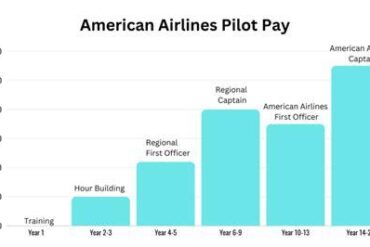
The career path for private jet pilots in 2025 often began with regional airline experience, flight instruction, or smaller turboprop operations. After building flight hours, pilots transitioned into light jet first officer roles. Over several years, they could advance to captain positions and eventually move into larger jet categories.
With the growing demand for private aviation, pilots in 2025 found strong opportunities for advancement. Many who started at entry-level pay scales within five to seven years were commanding six-figure salaries.
Comparison with Airline Pilots in 2025
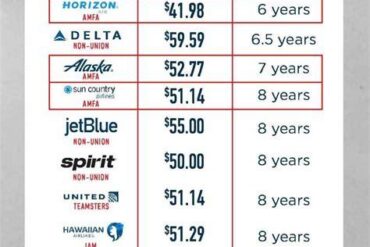
To place these figures in context, airline pilots at US major carriers in 2025 earned average salaries ranging from $110,000 to $200,000 for captains, with senior widebody captains exceeding that. This meant that senior corporate and charter pilots flying ultra-long-range jets could rival or even surpass airline counterparts in terms of annual pay, all while enjoying the exclusivity of private aviation.
FAQs on Private Jet Pilot Salaries in 2025
How much did entry-level private jet pilots make in 2025?
Entry-level first officers in 2025 flying light jets typically earned between $40,000 and $60,000 annually, depending on the operator and geographic region.
Were private jet pilots in 2025 paid more in New York or California?
Yes. Pilots based in New York and California often earned significantly more than those in other regions due to the concentration of wealth, high demand for private flights, and presence of busy business jet airports. Salaries for captains in these states often exceeded $150,000 annually.
Did corporate pilots earn more than charter pilots in 2025?
Not necessarily. Corporate pilots generally enjoyed more predictable schedules and stable pay, while charter pilots had wider pay ranges depending on client demand. Some charter captains, especially those flying long-range jets, earned above $200,000 annually, making their potential higher than many corporate counterparts.
This detailed breakdown of how much private jet pilots in the US made in 2025 shows that salaries varied widely depending on aircraft, location, and employer type. The profession was lucrative for experienced captains, particularly those operating in high-demand markets, while still offering solid opportunities for younger pilots beginning their careers in private aviation.