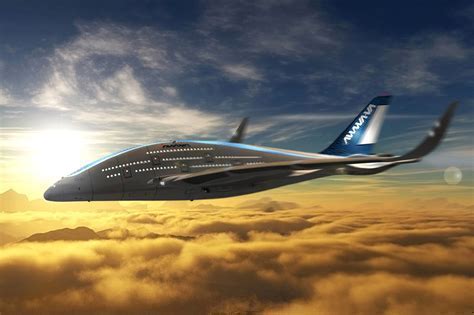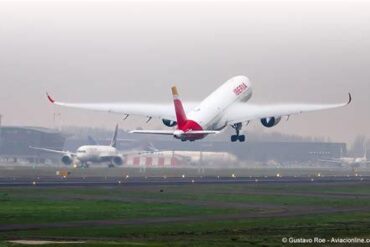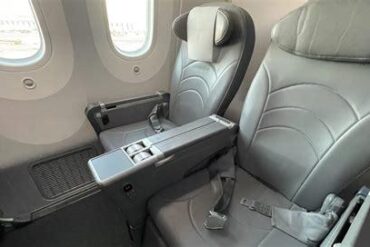
In 2025, the travel industry is undergoing a monumental transformation, driven by the integration of Artificial Intelligence (AI) and cutting-edge innovations. Iberia, Skyscanner, Amadeus, and Airbus are at the forefront of this revolution, reshaping how travelers plan, experience, and navigate the world. These pioneering companies are not only focusing on enhancing customer experiences but also improving operational efficiency and sustainability through advanced technological solutions.
Iberia’s AI-Powered Travel Assistant: Iberia GPT
Iberia has introduced Iberia GPT, an AI-driven conversational assistant integrated into OpenAI’s ChatGPT platform. This tool offers travelers a personalized, interactive, and flexible way to plan their trips. Iberia GPT allows users to conduct flexible flight searches, receive tailored destination recommendations, and create multi-destination routes, all with a focus on budget-conscious choices. Available through the GPT Store, this assistant revolutionizes customer service, providing an intuitive and accessible experience for passengers looking to simplify the complexities of air travel. The integration of AI into Iberia’s customer service marks a significant milestone in making travel planning more personalized and seamless.
Skyscanner’s AI-Driven Travel Search: A Smarter Way to Book
Skyscanner, known for its role as a leading travel search engine, is also leveraging AI to deliver an upgraded, more personalized search experience. The platform’s dynamic pricing promotions are enhanced by AI algorithms that balance real-time demand with economic challenges, ensuring that travelers get the best deals available. By incorporating machine learning and data analytics, Skyscanner has improved the way it delivers travel options to users, making it easier for consumers to identify flights and accommodations that align with their unique preferences. This technological evolution helps Skyscanner stand out in an increasingly competitive travel industry, providing users with an intuitive and highly efficient booking process.
Amadeus: Connecting the Travel Ecosystem through Technology
Amadeus, a global leader in travel technology, has been at the heart of integrating innovative solutions across the travel sector. Partnering with Skyscanner and other industry leaders, Amadeus is enhancing the connections between travelers, airlines, hotels, and other service providers. Its goal is to improve the overall travel experience through streamlined booking systems, reliable partner networks, and advanced technologies that reduce friction in the travel journey. With a focus on innovation, Amadeus is facilitating more seamless travel experiences, offering travelers greater confidence and convenience as they plan and book their trips. Through its cutting-edge platforms, Amadeus continues to set a high standard for efficiency and connectivity within the travel industry.
Airbus: Pioneering the Future of Sustainable Aviation
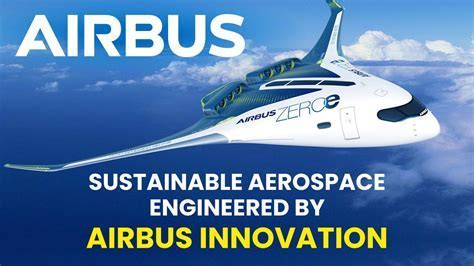
Airbus is spearheading a series of groundbreaking innovations that are set to reshape the future of aviation. At the Aerospace Tech Week, Grzegorz Ombach, a key figure at Airbus, outlined three transformative technologies that are expected to revolutionize the aviation industry:
- Open Fan Engines: Airbus is developing open fan engines designed to reduce fuel consumption by 20-30% when compared to current ducted fan engines. This breakthrough is aligned with Airbus’s ambitious goal to achieve net-zero carbon emissions by 2050, a significant step toward a more sustainable aviation future.
- Foldable Wings: Drawing inspiration from nature, Airbus is designing next-generation aircraft with foldable wings that improve lift and reduce drag, ultimately minimizing fuel consumption and carbon emissions. These wings also promise to enhance airport compatibility and the overall efficiency of the aircraft.
- Autonomous Taxiing: Through its Optimate project, Airbus is testing autonomous taxiing systems that will help reduce congestion at airports and decrease delays. This technology uses self-driving electric vehicles equipped with advanced sensors to simulate taxiing, thereby improving operational efficiency at airports.
These transformative advancements not only promise more eco-friendly aircraft but also provide new possibilities for improving operational efficiencies within the aviation industry.
How These Innovations are Impacting Travel Destinations
The combination of AI-driven travel platforms and innovative aviation technologies is changing the way travelers plan and book their trips. Platforms like Iberia GPT and Skyscanner’s AI-powered search enable travelers to discover new and exciting destinations, whether they are looking for hidden gems or popular spots around the world. The ability to plan multi-destination trips with ease, along with personalized suggestions based on preferences, enhances the overall travel experience.
At the same time, Airbus’s developments in aircraft design and autonomous taxiing have the potential to make travel to remote and emerging destinations more efficient and accessible. By reducing operational costs and making flights more fuel-efficient, Airbus is contributing to a future where more destinations—whether metropolitan hubs or lesser-known locales—become reachable in a sustainable and efficient manner. These technological advancements ensure that travelers can explore the world with greater convenience, affordability, and minimal environmental impact.
The Road to the Future of Travel in 2025
Looking toward 2025 and beyond, the travel industry’s transformation is set to accelerate with the continued integration of AI, automation, and sustainability. Iberia, Skyscanner, Amadeus, and Airbus are paving the way for a future where travel is not only more accessible but also smarter and more eco-friendly. From personalized booking experiences to revolutionary aircraft designs, these companies are driving forward an industry-wide change that aims to create a more connected, efficient, and sustainable travel ecosystem.
Travelers can expect to benefit from these innovations in various ways, including smarter booking processes, increased route options, and more environmentally conscious travel choices. As the travel landscape evolves, the collaboration between technology giants and the aviation sector will continue to shape a future where the journey itself becomes just as exciting as the destination.
Conclusion: A New Era for Travel
The collaboration between Iberia, Skyscanner, Amadeus, and Airbus highlights the power of technology in transforming the travel industry. With advancements in AI, automation, and sustainability, these companies are redefining how people plan, book, and experience travel. The integration of AI-powered assistants, dynamic pricing strategies, and sustainable aviation technologies has the potential to improve the travel experience for millions, making it more personalized, efficient, and eco-conscious.
As we move further into 2025, the continued evolution of these technologies will undoubtedly change the travel landscape. The future is one where smarter, greener, and more efficient travel will be within reach for everyone, thanks to the innovations introduced by these pioneering companies.