The world of travel technology is defined by a few key players that shape how airlines, hotels, and other service providers connect with customers. Amadeus and Sabre are two of the most prominent names in the Global Distribution System (GDS) space, providing comprehensive travel booking solutions to agencies, corporations, and consumers. While both platforms serve the same fundamental purpose — connecting travel agencies with suppliers — they diverge significantly in their technology, market presence, and specific features. In this article, we will delve into a detailed comparison between Amadeus and Sabre, helping you understand their strengths, weaknesses, and suitability for various business needs.
What Is a Global Distribution System (GDS)?
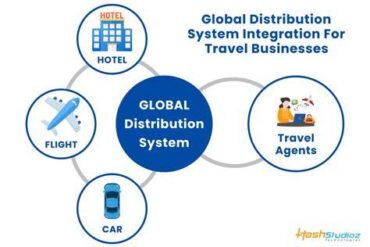
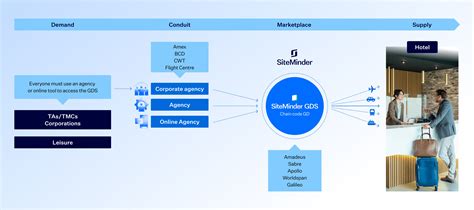
Before diving into the comparison, it is important to understand the concept of a Global Distribution System. A GDS is a technology platform that facilitates the communication and transaction of travel products between suppliers (such as airlines, hotels, and car rental companies) and travel agencies. The GDS allows travel agents to book flights, hotel rooms, car rentals, and other travel services for their clients. Major GDS providers include Amadeus, Sabre, and Travelport, each offering distinct features, regional market strengths, and integration capabilities.
Amadeus: A Stronghold in Europe and Beyond
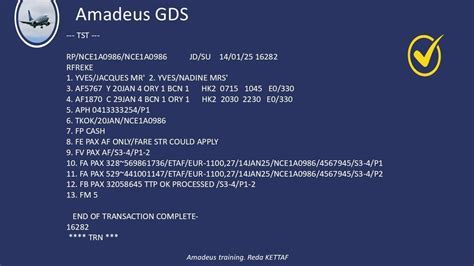
Amadeus, originally founded in Europe, has grown to become one of the largest GDS providers in the world. It boasts an impressive reach, covering 82% of global flights and offering a wide array of travel products, including hotels, car rentals, rail services, and cruises. Amadeus has made significant strides in integrating New Distribution Capability (NDC), a standard that enables airlines to distribute content in a more flexible and customized manner. This makes it an attractive option for airlines like American Airlines and Lufthansa who are leading the charge in NDC adoption.
One of the key strengths of Amadeus is its global coverage. While the platform originated in Europe, it has expanded into North America, Latin America, Asia-Pacific, and the Middle East. As a result, Amadeus provides a versatile solution for both regional and global travel agencies looking for extensive inventory and reliable booking systems. Furthermore, Amadeus has developed a reputation for offering user-friendly solutions, particularly for startups and smaller businesses. The company’s self-service API offers a simple yet powerful integration for companies looking to implement their own custom systems without needing extensive development resources.
Amadeus’s strength in the global marketplace is further supported by its innovative platform offerings, such as the Amadeus Selling Platform, which provides travel agents with access to a full suite of tools to manage bookings, search for products, and handle customer service. The platform’s user interface and automation features make it highly popular among travel agencies across the globe.
Sabre: A Market Leader in the Americas
Sabre, founded in the United States, is another key player in the GDS sector, with a primary focus on the Americas. As a GDS provider, Sabre connects to more than 400 carriers, providing agents and businesses with access to a vast network of flight and hotel options. In terms of hotel coverage, Sabre offers more than 1.6 million lodging properties, making it a comprehensive solution for agencies looking to manage both air and hotel bookings efficiently.
Sabre’s core strength lies in its deep integration with North and South American markets. The company has been a trusted partner for travel agencies in these regions for decades, and its system is well-suited to the unique demands of these markets. Sabre has expanded its presence into Europe, the Middle East, and Asia-Pacific, but its most significant market share remains within the Americas.
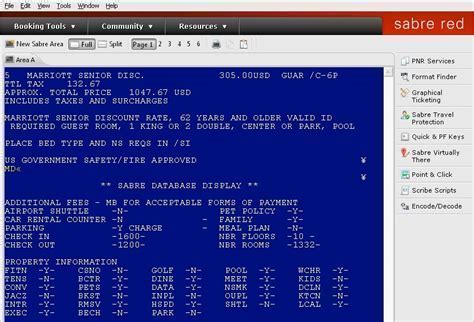
The Sabre system is robust and powerful, offering comprehensive solutions such as Sabre Red 360, a platform that provides users with access to travel content, booking options, and management tools. Like Amadeus, Sabre has also made strides in NDC adoption, allowing airlines to distribute rich content through its platform. The NDC capability enhances the traveler’s booking experience by enabling airlines to offer personalized products, pricing, and services.
Comparing Key Features: Amadeus vs Sabre
When comparing Amadeus and Sabre, there are several factors to consider. Each GDS has its own unique advantages depending on the needs of the travel agency, tour operator, or corporate client.
Market Focus
- Amadeus: Strong in Europe, with a growing presence in the Americas, APAC, and EMEA.
- Sabre: Dominant in the Americas, with a growing footprint in Europe, Middle East, and APAC.
Airline Connections
- Amadeus: Covers 82% of global flights, and has NDC integrations with leading airlines like American Airlines and Lufthansa.
- Sabre: Connects with 400+ carriers, providing strong coverage in the Americas.
Hotel and Lodging Inventory
- Amadeus: Offers a comprehensive range of hotels and additional services like car rentals and cruises.
- Sabre: Offers access to over 1.6 million hotels, with a focus on North and South America.
Technology and Integration
- Amadeus: Offers a user‑friendly self‑service API, which is beneficial for startups or smaller businesses.
- Sabre: Provides Sabre Red 360, an advanced platform for agencies, along with NDC integrations for enhanced airline content.
Regional Strength
- Amadeus: A truly global solution, with a significant presence in Europe and APAC, and growing recognition in the Americas.
- Sabre: A market leader in the Americas, with strong growth in Europe and APAC.
NDC Integration and Its Growing Importance
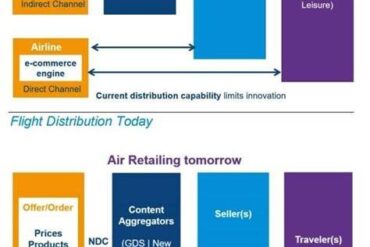
New Distribution Capability (NDC) is revolutionizing the travel industry by allowing airlines to distribute personalized content directly to travelers. Both Amadeus and Sabre have embraced NDC, but Amadeus has made significant strides in this area, working closely with major airlines to integrate NDC into its platform. This enables airlines to offer more flexible pricing, ancillary services, and richer content to customers.
Sabre has also integrated NDC, and it has established partnerships with key airlines, but Amadeus’s early adoption of NDC has allowed it to stay ahead of the curve in offering cutting-edge features to both airlines and travel agencies.
Pricing and Customization
Both Amadeus and Sabre use a customized pricing model based on factors like market expansion, API usage, and the volume of transactions. This means that the pricing for each GDS system will vary depending on the size and needs of your business. Generally, larger agencies or corporations that require robust systems and integrations will pay more for access to advanced features and services. Smaller businesses and startups may find Amadeus’s self-service API a more affordable option, whereas Sabre’s Sabre Red 360 may be a better fit for more established agencies.
Conclusion: Choosing Between Amadeus and Sabre
Ultimately, the choice between Amadeus and Sabre comes down to your business’s specific needs and regional focus. If your agency operates primarily in Europe or you need strong NDC capabilities, Amadeus could be the better choice. For agencies focused on the Americas or those looking for deep integration with North and South American carriers, Sabre may be the more suitable solution.
Both platforms offer comprehensive solutions for travel agencies, and your choice will depend on factors such as inventory, regional support, technology preferences, and pricing models. Carefully assess your business requirements to determine which GDS is the right fit for your operations.