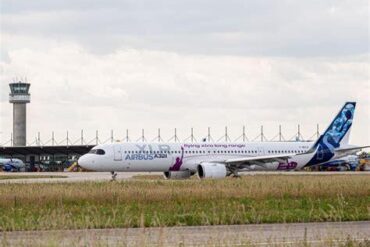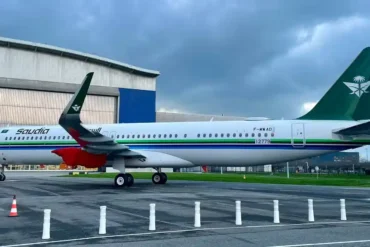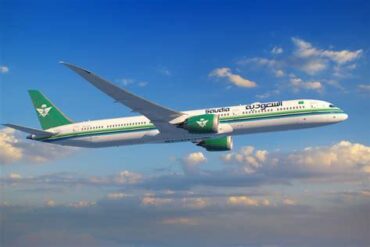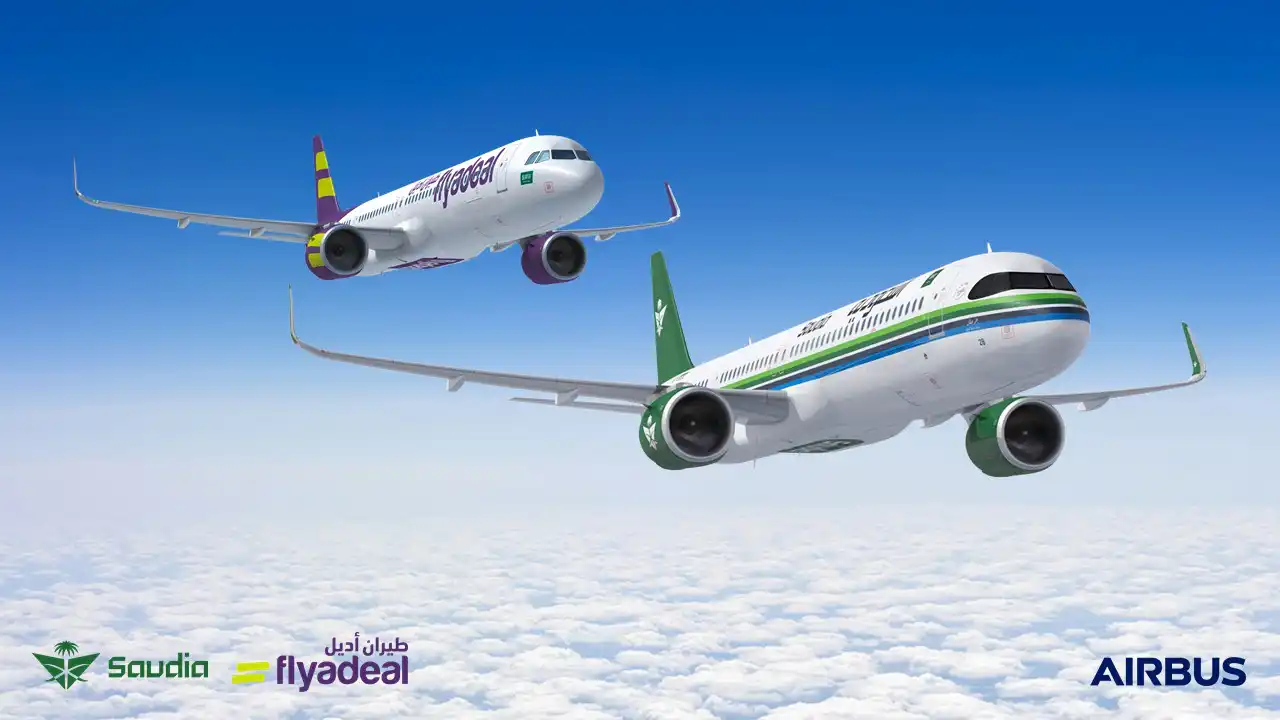
Saudia has once again defied convention with the reveal of its Airbus A321XLR cabin layout, unveiling a bold, ultra-premium design that prioritizes luxury and comfort over capacity. As the airline prepares to introduce this new aircraft to its network in mid-2026, its decision to install just 144 seats on a long-range narrowbody speaks volumes about its strategic direction, aimed at capturing high-yield traffic and refining its service proposition for long-haul narrowbody travel.
Saudia’s A321XLR: A Benchmark in Low-Density Premium Narrowbody Flying
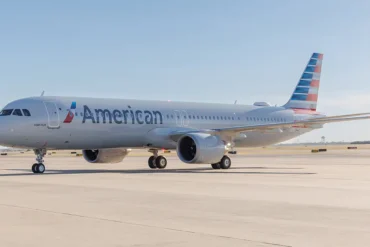
While the Airbus A321XLR is heralded globally for its intercontinental range and operational flexibility, Saudia’s configuration is nothing short of exceptional. With just 144 seats, this XLR variant will have the lowest seating density of any current operator. For perspective, American Airlines configures its XLRs with 155 seats, already considered premium by North American standards.
This configuration comprises:
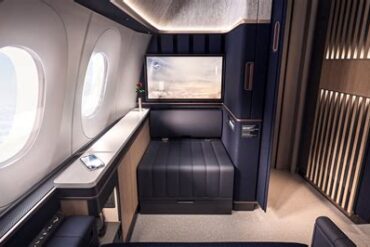
- 24 fully flat business class seats in a 1-1 layout, ensuring direct aisle access for every passenger.
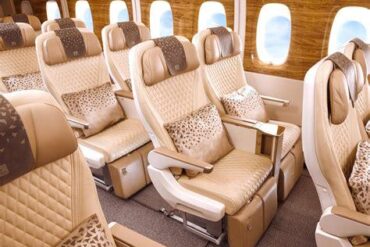
- 120 economy class seats arranged 3-3, offering standard narrowbody comfort.

The 1-1 layout in business class uses the Thompson VantageSOLO seat, the same product featured in JetBlue’s Mint service, acclaimed for its privacy, storage, and lie-flat capability. While the fundamental seating architecture is shared, Saudia will apply its own design finishes and inflight amenities, likely incorporating Arabic luxury aesthetics aligned with its 5-star service goals.
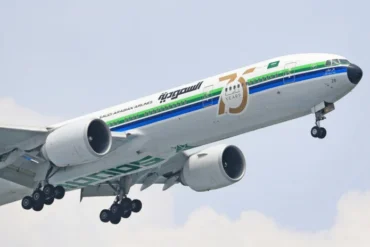
Notably, the seat count mirrors that of Saudia’s Boeing 787-9 and 787-10 in the business cabin, signaling that the A321XLR will act as a narrowbody substitute for widebodies on routes with lower seasonal demand or underperformance.
Strategic Deployment: Replacing Widebodies Without Compromise
Saudia’s A321XLR is due to enter service on June 2, 2026, with the Jeddah–Vienna route as its maiden long-haul sector. Initial network plans showcase a smart deployment strategy that replaces larger aircraft with the XLR on routes that demand flexibility, efficiency, and cabin consistency.
Confirmed routes include:
- Jeddah to Vienna (4x weekly)
- Jeddah to Geneva, Madrid, Barcelona, Malé, and Mauritius (3–4x weekly)
- Riyadh to Geneva and Moscow Sheremetyevo (3–4x weekly)
- Domestic service between Jeddah and Riyadh (1–2x weekly from July)
This network blend reveals two things: firstly, a preference to retain premium cabin availability even as widebodies are phased out seasonally; and secondly, a testbed for future thin long-haul markets where the cost of operating a twin-aisle is economically prohibitive.
Premium Yet Practical: Cabin Capacity And Commercial Logic
The breakdown of 24 business class seats and 120 in economy gives business a 17% share of total seating, which—while not revolutionary—is notable for a narrowbody aircraft. This allows Saudia to cater to premium leisure travelers, business passengers, and high-value transit markets via Jeddah and Riyadh.
In contrast, many of Saudia’s older A320ceos feature as few as 110 total seats, illustrating the airline’s historical commitment to premium-configured narrowbodies. Yet, the A321XLR offers a technological and cabin upgrade far beyond the aging A320ceo platform, with longer range and greater passenger comfort.
Overcoming Performance Challenges In Extreme Climates
Despite its promise, the A321XLR faces operational challenges from extreme Saudi summer temperatures, which can affect aircraft performance and restrict payload. With Jeddah’s scorching daytime heat, departures after 9:00 am may be limited to flight durations of approximately eight hours, curbing the aircraft’s theoretical range.
This limitation is echoed in other markets: Air Canada recently trimmed its XLR schedule from Montreal to Palma de Mallorca due to heat-related performance limitations. Likewise, Air Arabia’s A321LR services from Sharjah to London may face payload penalties in hot weather, reaffirming the impact of temperature on single-aisle long-haul operations.
Nonetheless, Saudia’s planned network seems well-calibrated to these limitations, with route lengths all falling well within five to seven-hour flight times. This enables the airline to maximize comfort without sacrificing range viability during most of the year.
A Platform For Future Expansion
Industry analysts like Behramjee Ghadially speculate that the XLR could unlock entirely new route possibilities for Saudia. Future destinations from Jeddah could include:
- Accra and Abuja
- Brussels and Copenhagen
- Cape Town (winter seasonal)
- Dakar and Dublin
- Lagos
These are markets where deploying a widebody aircraft might be financially risky or yield low seat factors. The A321XLR’s smaller footprint and range capabilities provide an ideal middle ground for experimentation and market testing. For passengers, this opens up new city-pair opportunities, particularly for those connecting to South Asia, the Levant, or other Middle Eastern hubs.
Redefining Saudia’s Competitive Edge In Premium Narrowbody Travel
With its strategically reduced capacity and high-end configuration, the A321XLR allows Saudia to blend luxury, efficiency, and network agility. It represents a step-change in how the airline manages mid- to long-haul services, offering widebody comfort at narrowbody economics.
In an industry increasingly dominated by cost per seat mile and yield management, Saudia’s bold commitment to a luxury-forward, low-density layout on the XLR underscores its intent to compete on quality, not just price.
This aircraft is not just another fleet addition—it’s a signal of Saudia’s evolving brand identity, one that aspires to meet and exceed the standards of premium global carriers.