Saudia is entering 2026 with a network strategy that stretches its wings farther than ever before. With block times pushing toward 17 hours and a deliberate focus on nonstop connectivity, the Saudi flag carrier is reinforcing its long-haul credentials while reshaping its role between the Middle East, North America, and Asia. OAG data positions Saudia as the Middle East’s largest airline by flight numbers in 2026, a status largely driven by its expansive domestic network. Yet beyond the kingdom’s borders, a quieter transformation is underway: a carefully structured portfolio of ultra-long and long-haul services that define its global ambition.
This growth unfolds against a complex regional backdrop, but Saudi Arabia’s airspace remains operational, and Saudia’s schedule reflects continuity rather than contraction. Internationally, the airline ranks sixth in the Middle East when measured purely by overseas services, yet that statistic masks a significant strategic shift. With Airbus A321XLR deliveries approaching and Boeing 777-300ER and 787 fleets anchoring intercontinental routes, Saudia is optimizing nonstop links that maximize efficiency and passenger convenience.
The emphasis on nonstop flights is deliberate. One-stop services such as Jeddah–Bali via Singapore or Jeddah–Beijing Daxing via Dammam are excluded from this analysis to create a fair comparison. What remains is a top-tier list of 10 routes defined strictly by maximum block time in 2026—each representing a distinct bridge between Saudi Arabia and key global markets.
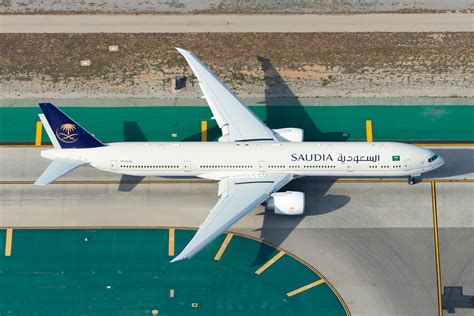
The Longest Nonstop Flight: Jeddah to Los Angeles at 16 Hours 45 Minutes
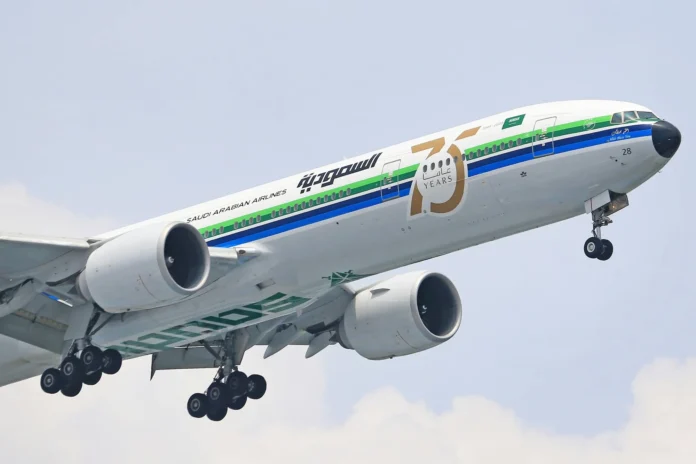
The crown jewel of Saudia’s long-haul portfolio is Jeddah to Los Angeles, clocking a maximum block time of 16 hours and 45 minutes. Operated three times weekly by the Boeing 777-300ER, this route stands alone in genuinely approaching ultra-long-haul territory. While some airlines reserve the term for 18-plus-hour missions, this service remains the longest in Saudia’s network and a defining symbol of its transpacific reach.
Saudia first launched Los Angeles flights in March 2014, initially routing them via Riyadh. The evolution toward a simplified standalone Jeddah–Los Angeles–Jeddah operation signals operational maturity and a clearer identity for the route. Passengers heading to Riyadh can conveniently transfer in Jeddah, preserving connectivity without complicating the core service.
Between 2014 and November 2025, the airline transported approximately 568,000 round-trip passengers on this route. The overall load factor during that period stood at 64.9%, a figure that suggests room for improvement. However, recent years show upward momentum, with 2024 achieving a 73.8% load factor and 2025 reaching 72.9% during the first eleven months. February, March, and sometimes November continue to dampen seasonal performance, echoing global demand troughs common across long-haul markets.
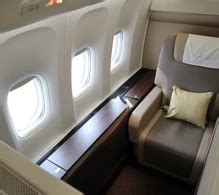
Riyadh and Jeddah Strengthen Washington and New York Links
Beyond Los Angeles, Saudia’s transatlantic network is anchored by Washington Dulles and New York JFK. Riyadh to Washington Dulles reaches a maximum block time of 14 hours and 35 minutes, operating three to four times weekly with the 777-300ER. Meanwhile, Riyadh to New York JFK extends to 14 hours and 10 minutes with three weekly frequencies.
Jeddah complements this footprint. Jeddah to Washington Dulles peaks at 13 hours and 55 minutes and alternates between the 777-300ER and the Boeing 787-9. Jeddah to New York JFK, with block times nearing 12 hours and 55 minutes, operates up to daily at peak frequency. Together, these routes form a North American backbone that distributes traffic across two Saudi hubs, reducing reliance on a single gateway and strengthening alliance connectivity.
The Washington and New York services are particularly strategic for government, diplomatic, educational, and pilgrimage-related travel. Riyadh functions as a political and business hub, while Jeddah leverages its proximity to Mecca and Medina, integrating religious travel with long-haul connectivity.
Toronto and Manila: Diaspora and Demand Dynamics
Saudia’s Jeddah to Toronto route, with a maximum block time of 13 hours and 35 minutes, operates four to five times weekly using the 787-9. Canada’s sizable expatriate and student communities sustain year-round demand, while summer peaks amplify seat occupancy.
In Asia, the Philippines remains essential. The longest timing appears on the return legs: Manila to Jeddah reaches 11 hours and 30 minutes daily on the 787-9 and 787-10, while Manila to Medinah approaches 11 hours and 25 minutes during limited seasonal operations. These flights serve labor traffic, pilgrimage flows, and family reunification travel, creating high load factors during religious and holiday peaks.
China Connections: Guangzhou and Beijing Daxing
China-bound services add another dimension. Guangzhou to Jeddah stretches to 11 hours and 10 minutes on two to three weekly 787-9 rotations. Meanwhile, Beijing Daxing to Dammam, continuing onward to Jeddah, reaches 11 hours even before its domestic extension.
These routes underscore Saudia’s eastward ambitions, balancing traditional West-bound long-haul with growing Asia ties. Aircraft selection is critical here; the 787-9’s fuel efficiency and range flexibility make it particularly well suited to these missions.
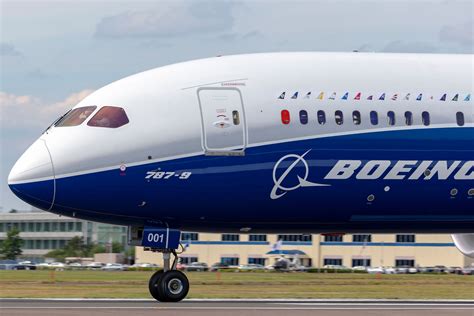
Where Los Angeles Passengers Connect
Passenger flow data reveals nuanced behavior on the Los Angeles route. Of nearly 46,000 round-trip passengers carried between January and November 2025, around 39% connected onward in Jeddah. Top onward destinations included Cairo, Riyadh, Jizan, Dubai, and Dhaka. Another 37% were pure point-to-point travelers, including students and pilgrims. Approximately 22% connected beyond Los Angeles, frequently via SkyTeam partner Delta Air Lines, with San Francisco emerging as a notable secondary market.
This balanced mix of transit and origin-destination demand provides resilience. It cushions seasonal volatility and broadens the revenue base beyond a single traffic segment.
Strategic Context: Competing in a Crowded Ultra-Long-Haul Arena
Competition is intensifying. EgyptAir’s planned nonstop Cairo–Los Angeles service in 2026 introduces additional capacity into a shared diaspora and transit market. Meanwhile, Gulf carriers continue refining their own ultra-long-haul offerings. Saudia’s advantage lies in geographic positioning and hub specialization: Riyadh for governance and commerce, Jeddah for religious and Red Sea coastal connectivity.
The airline’s long-haul growth also aligns with Saudi Arabia’s broader economic diversification strategy. Aviation functions as infrastructure, not just transportation. By expanding nonstop reach up to 17 hours, Saudia strengthens tourism inflows, student mobility, and bilateral trade corridors.
The result is not merely a list of long flights measured in hours and minutes. It is a carefully calibrated network designed to anchor Saudi Arabia deeper into global circulation. In 2026, these ten nonstop routes do more than stretch distance; they redefine how the kingdom connects to the world, one extended horizon at a time.