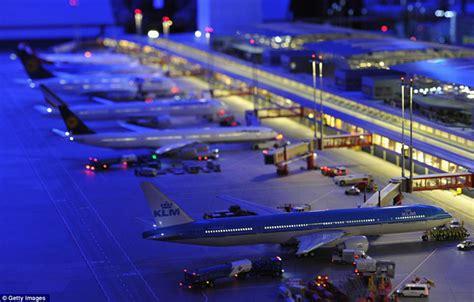
Model airports represent a captivating intersection between aviation enthusiasm and intricate craftsmanship, capturing the scale and function of real-world airfields in detailed miniature form. These handcrafted dioramas, ranging from compact layouts to expansive replicas, offer not only an immersive visual experience but also a tribute to the global fascination with air travel.
Over the decades, model airports have evolved from simplistic public display pieces to hyper-realistic setups owned by private collectors, aviation museums, and even major entertainment installations. Their ability to convey operational realism while remaining static has turned them into both educational tools and collectible showcases.
The Origins and Rise of Model Airports
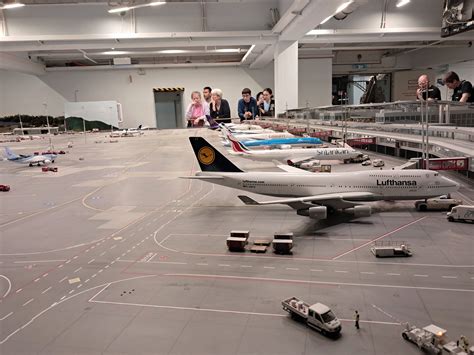
The concept of a scale model airport can be traced back to early aviation exhibitions where airports sought to visually communicate their layouts and passenger flow to the public. Initially confined to airport terminals as promotional tools, these models served as static representations, often missing operational intricacies.
However, the landscape transformed significantly in the late 20th century, particularly with the introduction of branded model airport sets by companies like Herpa Wings. These kits allowed hobbyists to assemble terminals, jetways, taxiways, and service vehicles with meticulous precision. A growing subculture of aviation modelers emerged—individuals who didn’t just collect aircraft but aimed to simulate a full aviation ecosystem.
Modern Model Airports: Features and Functionality
Today’s model airports can achieve stunning realism thanks to the availability of advanced die-cast models, 3D-printed structures, and LED lighting systems. These setups frequently feature:
- Passenger terminals with glass facades and jet bridges
- Air traffic control towers with realistic height scaling
- Tarmac textures mimicking asphalt and concrete finishes
- Runways complete with runway markings and approach lighting
- Service vehicles such as fuel trucks, baggage carts, and catering trucks
The most popular scales for model airports include 1:400, 1:500, and 1:200. The 1:400 scale remains the most prevalent due to its balance between size and detail, allowing large layouts within reasonable space constraints.
Brands Powering the Miniature Skies
A handful of industry players dominate the model airport and aircraft manufacturing market:
- Gemini Jets: Known for durable die-cast models in 1:400 and 1:200 scales
- Herpa Wings: The pioneer in airport accessories and modular terminal kits
- JC Wings: Offers extensive ground support equipment and rare aircraft liveries
- Aeroclassics: Focuses on retro and historical aircraft models
- Phoenix Models and NG Model: Popular for high-detail finishes and limited editions
These brands often collaborate with airlines to release exclusive aircraft models, sometimes accompanied by matching airport structures or promotional layouts.
Famous Model Airports Across the Globe
Knuffingen International Airport, Miniatur Wunderland – Hamburg, Germany
Perhaps the most renowned model airport, Knuffingen International Airport is a 150-square-meter marvel located in Miniatur Wunderland, the world’s largest model railway attraction. Based loosely on Hamburg International Airport, it features:
- Dozens of aircraft with takeoff and landing simulations
- Functional lighting systems that mirror real-world operations
- Autonomous vehicles such as pushback tugs and fuel trucks
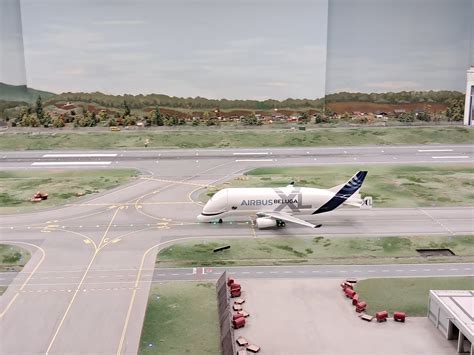
This living diorama includes over 40,000 LED lights, 15,000 figures, and 250 buildings, and was constructed at a cost of $4.8 million. It represents the pinnacle of model airport complexity and realism.
Madurodam Airport – The Netherlands
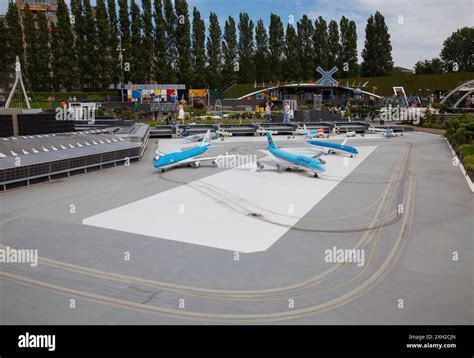
Located in The Hague, Madurodam is a miniature city that includes a detailed replica of Amsterdam’s Schiphol Airport. The model includes aircraft from airlines such as KLM, Emirates, Lufthansa, and Singapore Airlines, complete with:
- Multiple runways and taxiways
- Baggage handling systems
- DHL-branded Airbus A300 for cargo representation
Unlike static exhibitions, many elements of Madurodam are motorized, creating a dynamic feel as planes and service vehicles move around the tarmac.
TWA Hotel Model Airport – New York, USA
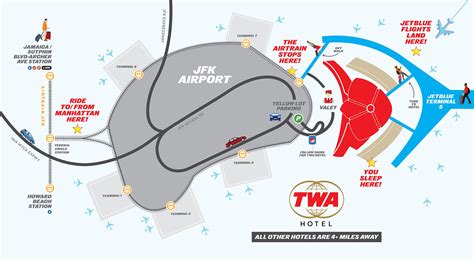
Reviving the golden age of air travel, the TWA Hotel at JFK Airport houses a stunning 1:400 scale model of its namesake terminal, complete with:
- TWA-branded aircraft in retro liveries
- Period-correct ground vehicles
- 1960s-era design elements in architecture and layout
This model serves both as a nostalgic tribute and a precise architectural miniature that attracts aviation buffs and hotel guests alike.
From Hobby to Profession: The Growing Model Airport Community
What began as a niche pastime has matured into a thriving global community. Collectors, custom builders, and digital designers collaborate through forums, YouTube channels, and conventions to share tips, builds, and reviews. Online platforms like Instagram and Reddit have expanded visibility, turning individual projects into viral showcases.
The community includes:
- DIY hobbyists building from scratch using foam boards, resin kits, and 3D-printed structures
- Advanced modelers integrating electronics for automated aircraft and lighting
- Educational creators using model airports to teach about airport operations, logistics, and air traffic control
Additionally, high-end custom model airport commissions have become a lucrative business, with some collectors spending thousands of dollars to replicate their favorite airports in perfect scale.
Educational and Entertainment Value
Model airports transcend mere aesthetics. They are increasingly recognized for their educational potential, particularly in:
- STEM learning: Demonstrating principles of aerodynamics, infrastructure design, and logistics
- History and heritage: Preserving the legacy of now-defunct airlines or old terminal designs
- Event-based storytelling: Recreating famous aviation events such as inaugural flights or aircraft retirements
Some airports and aviation museums now feature interactive model airport displays where visitors can control lights, vehicles, and even simulate departures and arrivals using control panels.
Challenges and Considerations
Creating a model airport requires significant planning, space, and resources. Among the key considerations are:
- Scale compatibility: Mixing different scales can ruin visual consistency
- Material durability: Selecting the right combination of plastic, metal, and resin
- Realism versus creativity: Deciding whether to replicate a real airport or build a fictional one
- Storage and transportation: Larger setups often require modular construction for mobility
Lighting and electrical integration also pose challenges, especially when attempting to replicate runway lighting systems or interior terminal lighting. Nevertheless, these challenges contribute to the hobby’s appeal as a complex and rewarding craft.

The Future of Model Airports
As technology advances, model airports are likely to benefit from smart integration tools. Features under development or already in experimental stages include:
- Motion sensors for automatic lighting and aircraft movement
- Augmented reality overlays for interactive storytelling
- IoT-enabled components to synchronize vehicle paths and flight schedules
- VR integration allowing users to explore their models from a pilot’s-eye view
These innovations signal a future where model airports evolve into miniature smart ecosystems, blurring the lines between static modeling and simulation-based environments.
Conclusion
Model airports represent more than miniature replicas—they are dynamic, artistic reconstructions of aviation’s grand infrastructure. From the bustling runways of Knuffingen to the nostalgic terminals of TWA, these detailed scenes captivate hobbyists, historians, and casual observers alike. Fueled by passionate communities and backed by precision manufacturers, the world of model airports continues to soar.
Whether for education, entertainment, or engineering excellence, building a model airport is a unique pursuit that bridges creativity, technical mastery, and love for flight.