The International Standard Atmosphere, or ISA, serves as a benchmark for comparing the actual atmosphere at any given moment. It is also known as the ICAO Standard Atmosphere. The ISA is defined by specific values of pressure, density, and temperature at mean sea level. These values decrease as altitude increases.
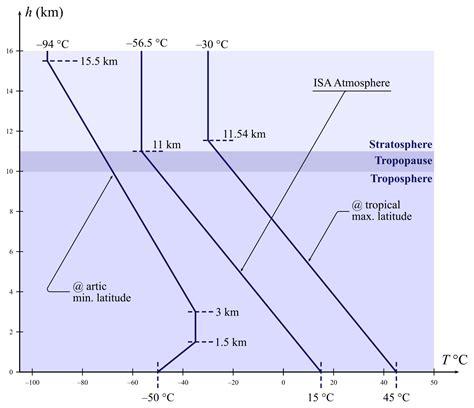
At sea level, the pressure is set at 1013.2 millibars. In the lower atmosphere, pressure decreases by about 1 millibar for every 30 feet of elevation, up to around 5,000 feet. The standard temperature at sea level is +15 °C. As altitude increases, the temperature drops at a rate of 2 °C for every 1,000 feet until reaching the tropopause at 36,000 feet. Beyond this point, the temperature remains constant at approximately -57 °C.
The density of the air at sea level is 1.225 grams per cubic meter. However, the real atmosphere can differ significantly from these standard values. Sea level pressure can fluctuate daily, and temperatures can vary widely at different altitudes. Changes in pressure, both vertically and horizontally, can impact how pressure altimeters function.