Standard Operating Procedures (SOPs) in an Air Traffic Control (ATC) Unit are essential guidelines that outline how controllers coordinate their responsibilities. These procedures ensure that communication and actions during air traffic management are clear and effective. While some procedures are strictly enforced, there is room for flexibility depending on the situation and individual needs. However, it’s important to remember that these standard procedures are based on extensive experience. Any modifications must be approached with caution to avoid unexpected outcomes.
In Flight Operations, SOPs cover all aspects of flight deck activities, addressing normal, abnormal, and emergency situations. This comprehensive range of procedures and checklists is crucial due to the various scenarios that can arise, some of which can be critical. Even though these procedures are documented, pilots need to memorize certain key actions, referring to written guidelines later to confirm their decisions.
Flight Operations procedures are developed after thorough research to maximize safety across likely circumstances. They are mandatory and must be followed precisely. Ignoring established procedures has been linked to numerous aircraft accidents and serious incidents.
SOPs from aircraft manufacturers aim to reflect their design philosophy and promote optimal use of aircraft features. While these can be adopted without changes by flying organizations, they often serve as a foundation for creating tailored company SOPs. Within ATC Units, SOPs clearly outline the responsibilities of air traffic controllers.
Deviations from SOPs can happen for many reasons, both intentional and unintentional. Such deviations have been identified as factors in many aviation accidents and incidents. Effective Crew Resource Management (CRM) and Team Resource Management (TRM) rely on adherence to SOPs, as these provide a standard reference for both the ATC team and flight crews. For SOPs to be effective, they must be straightforward and concise. The development of SOPs is a meticulous process that takes years and considers all possible outcomes. Straying from these standards can lead to dangerous situations.
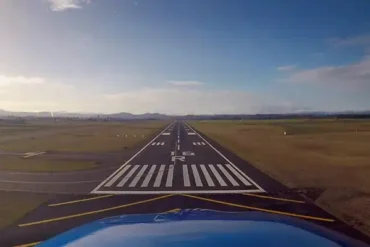
Consider a scenario where an aircraft is approaching for landing but is not stabilized due to high speed. SOPs dictate that the aircraft should go around if the approach is unstable. However, if a pilot continues the approach to stay on schedule, it risks a collision with the ground (Controlled Flight Into Terrain) and severe damage. Similarly, an ATCO might re-clear a climbing or descending aircraft to an intermediate level when it is already very close, leading to the pilot overshooting that level. Miscommunication can also occur if standard phraseology is not used, resulting in misunderstandings.
Several factors contribute to deviations from SOPs, including inadequate knowledge of procedures, insufficient training emphasis, distractions, task saturation, and overconfidence. To address these issues, initial training is critical for instilling disciplined use of SOPs, while recurrent training reinforces this behavior. Management at all levels must advocate for the proper application of SOPs.