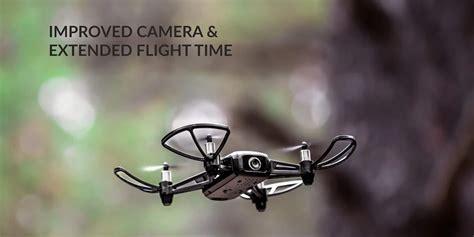
The Fader 2 Drone, offered by TRNDlabs and distributed as part of the Marlboro Rewards Program, has piqued the interest of beginners and curious tech users alike. Often described as a “starter drone,” the Fader 2 is priced for accessibility—but how well does it deliver on performance, reliability, and user satisfaction? After an extensive review of user experiences, technical data, and expert insight, we explore whether the Fader 2 is a wise use of your rewards points—or better left in the digital catalog.
What Exactly Is the Fader 2 Drone?
The Fader 2 is a compact, lightweight drone built for ease of use. It’s clearly marketed toward beginners who may not want to dive headfirst into the expensive and intricate world of drone flying. According to TRNDlabs, it includes altitude hold, 6-axis gyro stabilization, and a 720p HD camera, aiming to provide a balanced entry-level experience.
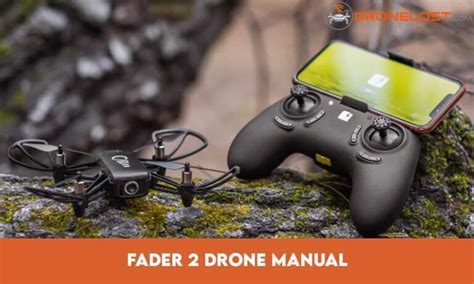
Its lightweight build also makes it suitable for indoor use—an important detail, as outdoor flight performance suffers due to the unit’s susceptibility to even moderate winds. The drone’s dimensions and flight controls are designed to reduce the intimidation factor, especially for users unfamiliar with RC systems or FPV (first-person view) flying.
Build Quality and What’s in the Box
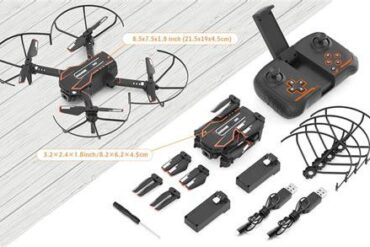
Weighing just 73 grams, the Fader 2 is a featherweight device. Its plastic frame is moderately durable but far from crash-proof. This drone is not made for high-impact collisions, and the props are prone to dislodging with light bumps. For users expecting rugged durability, the Fader 2 will disappoint.
However, for a freebie item (when claimed through Marlboro points), the inclusion of extra propellers, a USB charger, and prop guards is welcome. No additional purchases are required to fly it, and the package arrives ready to go—another plus for newcomers.
Flight Performance: Light and Limiting
Flying the Fader 2 is where its true nature is revealed. It is surprisingly stable in no-wind environments, especially indoors. The altitude hold feature functions as expected, and headless mode helps new users orient themselves without confusion.
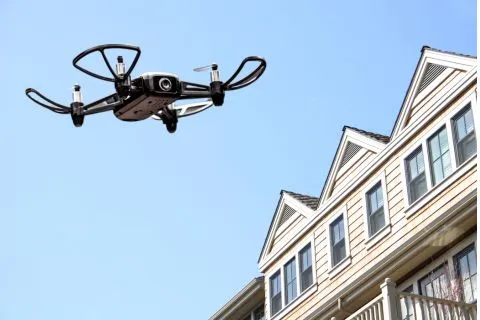
But this performance collapses outdoors. Even with the highest speed mode selected, the drone can be overpowered by winds as mild as 3 mph. Numerous user testimonials reflect this reality. Stability becomes a major issue, and without GPS or intelligent orientation correction, retrieving a wayward drone is often a challenge.
Indoor Pros:
- Smooth hovering and stable takeoff
- Easy for first-time users to learn
- Low risk of injury or damage
Outdoor Cons:
- Easily disrupted by wind
- Poor tracking without GPS
- Short transmission range (~50 meters or less)
Camera Quality: What You See Is What You Get
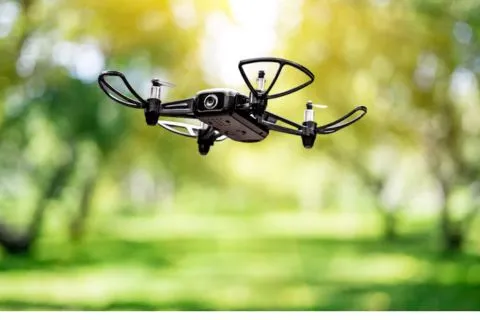
The onboard 720p HD camera is functional but unremarkable. It streams live video to a smartphone app via Wi-Fi, but the latency and signal loss often frustrate users trying to frame shots in real time. The footage is usable for social media stories or casual sharing, but it lacks the clarity and steadiness of more advanced camera drones.
There is no gimbal or stabilization software, meaning that jerky movements will directly affect video smoothness. Still photography is similarly affected by the drone’s movement and lack of stabilization. For many, the Fader 2’s camera may be more of a novelty than a practical tool.
Battery Life and Charging
With a 3.7V 500mAh battery, users can expect 6–8 minutes of flight time per charge. This is within the normal range for drones in its weight and size class, but it also means that extended flying sessions will require downtime or additional batteries (which are not easily sourced, given its non-mainstream design).
Charging takes around 45–60 minutes, depending on the power source. Notably, the unit does not include an AC wall adapter—just a USB charging cable.
User Sentiment and Community Feedback
Sentiment from the Reddit community and Marlboro Rewards participants is mixed, with a clear divide between first-time users and experienced hobbyists.
Many users see the Fader 2 as a novel entry point, especially given its free price tag when redeemed via points. For them, the Fader 2 serves as an accessible way to explore drone flying without any financial commitment.
Others—especially those with prior drone experience—criticize its lack of expandability, inability to handle outdoor conditions, and what they consider a misleading $99 retail valuation.

Notable user quotes include:
“Very cheap drone, but something like this just might ignite a passion in you.”
“No upgrades. Everything you need is in the box.”
“Indoor-only. Outdoors, it gets carried away in anything more than a 3 MPH wind.”
Some users have also reported supply issues, noting that the drone frequently goes out of stock, leading to missed redemption opportunities.
Is It Worth the Points? A Value Assessment
The monetary value assigned to the Fader 2 is often debated. While TRNDlabs lists it at $99, many agree this is significantly inflated for what is essentially a toy-grade drone. Comparable products exist on Amazon or local retailers for $30–$50, often with similar or better specs.
However, when viewed through the lens of the Marlboro Rewards Program, the picture shifts. If you’re already collecting points and have no plans to buy a more advanced drone, then the Fader 2 becomes a zero-risk entry into the world of UAVs.
Alternatives like the Ryze Tello, which retails for around $99 and is backed by DJI, are often recommended for serious beginners. The Tello offers more refined flight controls, real-time programming features via Scratch, and overall better video output. Still, the Tello is not available via Marlboro rewards and does require a cash purchase.
Final Verdict: Who Should Get the Fader 2?
The Fader 2 Drone is not for enthusiasts or those seeking long-term use or upgradability. It lacks GPS, intelligent flight modes, or a high-performance camera. It is not competitive with hobbyist drones that feature swappable batteries, modular design, or robust software support.
However, as a “gateway drone” for total beginners, especially those redeeming it through Marlboro’s program, it checks several boxes:
- Low-risk, no-cost access to a new hobby
- Great for practicing basic flight skills indoors
- Teaches fundamental drone handling
If you are a smoker with points to burn, have never flown a drone, and want to dip your toes in the water—then yes, the Fader 2 is decent to buy, or more accurately, to redeem.
But if you plan to stick with the hobby, this drone will quickly reveal its limitations. In that case, investing in a better-supported platform will save you frustration and open up a world of possibility.
Key Takeaways
- The Fader 2 is best suited for absolute beginners looking for a risk-free introduction to drones.
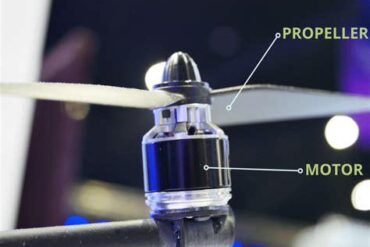
- Not suitable for outdoor flying due to wind sensitivity and weak motors.
- Camera and flight performance are entry-level and largely unimpressive to seasoned users.
- If received via the Marlboro Rewards Program, it’s an acceptable first drone—just don’t expect miracles.
In summary, the Fader 2 is not a game-changing drone, but it might just be the spark that gets someone started down a path toward better machines, more skills, and a deeper appreciation for UAV technology.