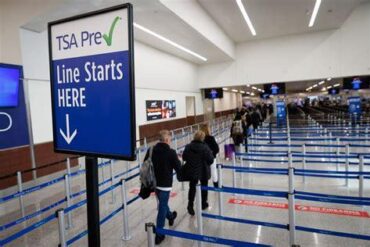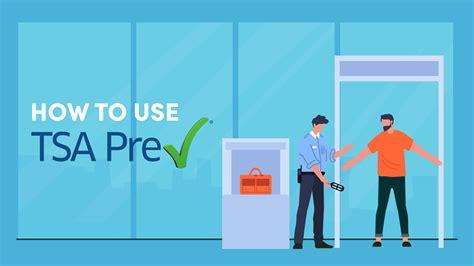
Air travel in the United States has long been shaped by stringent security procedures, particularly since the early 2000s. While these measures play a critical role in ensuring passenger safety, they often result in slow-moving lines and a frustrating airport experience. To address this inefficiency without compromising security, the Transportation Security Administration (TSA) introduced a streamlined alternative: TSA PreCheck, a program designed to identify and expedite low-risk travelers.
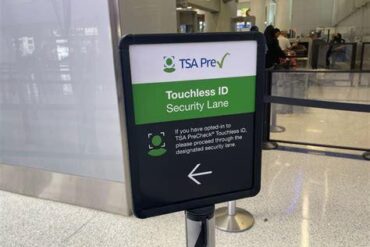
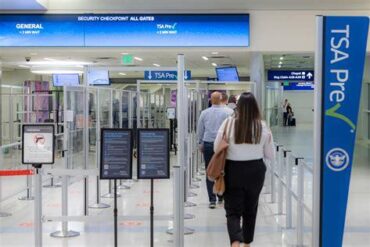
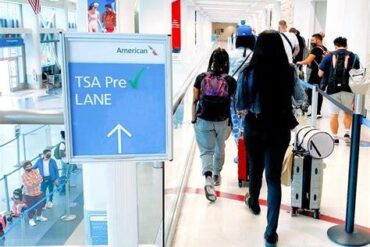
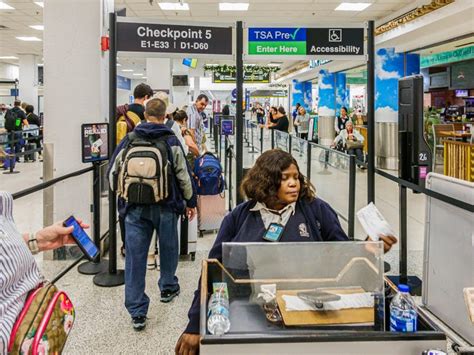
At its core, TSA PreCheck offers a faster, more convenient screening process for approved participants. Instead of navigating standard security lines, members gain access to dedicated lanes that are typically shorter and more efficient. This distinction transforms the airport experience from a time-consuming hurdle into a smoother, more predictable routine—particularly valuable for frequent flyers.
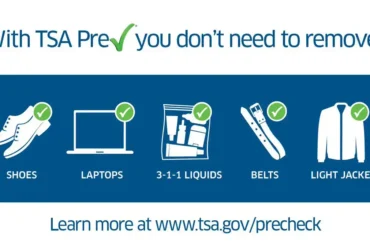
The appeal of TSA PreCheck lies not just in shorter lines, but in a significantly simplified screening procedure. Approved travelers are not required to remove shoes, belts, or light jackets, and can leave laptops and compliant liquids inside their carry-on bags. These small but meaningful conveniences collectively reduce stress and save valuable time, especially during peak travel hours.
Is TSA PreCheck Only for U.S. Citizens? A Clear Answer
A common misconception is that TSA PreCheck is exclusively reserved for U.S. citizens, but that assumption does not reflect the program’s actual eligibility criteria. While U.S. citizenship is one pathway to enrollment, it is far from the only one. The program is also open to U.S. nationals and lawful permanent residents, expanding access to a broader group of travelers who meet specific residency and background requirements.
This inclusive approach reflects the program’s primary goal: identifying low-risk individuals, regardless of whether they hold full citizenship status. As long as applicants can pass the necessary background checks and verification processes, they may qualify for enrollment and enjoy the same expedited screening benefits.
Who Qualifies for TSA PreCheck? Understanding Eligibility Categories
Eligibility for TSA PreCheck is structured around three main groups, each defined by their legal status within the United States. The first and most straightforward category includes U.S. citizens, whether by birth or through naturalization. These individuals typically meet the baseline criteria required for application, provided they pass the background screening.
The second category includes U.S. nationals, a less commonly discussed group. These individuals are typically born in U.S. territories such as American Samoa or Swains Island and owe permanent allegiance to the United States, even if they do not hold full citizenship status. Their inclusion highlights the program’s broader scope beyond conventional definitions of citizenship.
The third eligible group consists of lawful permanent residents, often referred to as green card holders. These individuals are foreign nationals who have been granted the legal right to live and work in the United States on a long-term basis. Despite not being citizens, their established residency and documented history allow them to meet TSA PreCheck’s security standards.
How the TSA PreCheck Application Process Works
Gaining access to TSA PreCheck involves more than a simple sign-up. Applicants must complete a structured process that includes submitting personal information, undergoing a background check, and attending an in-person interview. This vetting procedure ensures that only travelers who meet strict security criteria are approved.
Once accepted, participants receive a Known Traveler Number (KTN), which they can add to flight reservations. This number acts as a digital identifier, granting access to TSA PreCheck lanes at participating airports. The approval is valid for several years, making it a long-term investment in smoother travel.
How TSA PreCheck Compares to Other Trusted Traveler Programs
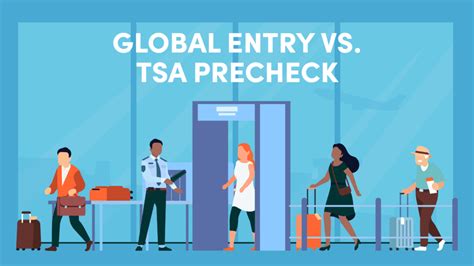
While TSA PreCheck is highly effective for domestic travel within the United States, it is only one component of a broader ecosystem of Trusted Traveler Programs managed by the Department of Homeland Security. Programs such as Global Entry, NEXUS, and SENTRI cater to international travelers and cross-border commuters, offering additional benefits tailored to specific travel patterns.
Each program serves a distinct purpose, but they share a common philosophy: pre-screening travelers to enhance both security and efficiency. For those who frequently travel internationally, combining TSA PreCheck with another program like Global Entry can create an even more seamless journey.
Why TSA PreCheck Is More Accessible Than You Think
The idea that TSA PreCheck is limited to U.S. citizens overlooks the program’s broader intent and accessibility. By including U.S. nationals and permanent residents, it opens the door to millions of travelers who contribute to the U.S. travel ecosystem. This inclusivity not only improves passenger flow but also reflects a pragmatic approach to modern aviation security.
Ultimately, TSA PreCheck is less about citizenship and more about trust, verification, and efficiency. For eligible travelers, it represents a practical way to reclaim time, reduce stress, and navigate airports with confidence.