In a region where geography demands seamless interconnectivity, LIAT20 emerges as a defining player in the Caribbean aviation landscape. Reborn from the ashes of its predecessor LIAT (1974), LIAT (2020) Limited, commonly referred to as LIAT20, represents more than just a business transition — it is a strategic reinvention of regional air mobility. With an operational structure backed by Air Peace and the Government of Antigua and Barbuda, the airline has repositioned itself to become a vital conduit linking island nations that rely on air travel for commerce, culture, and connection.
Rebirth Through Strategic Investment and Vision
The collapse of LIAT (1974) in early 2024, brought on by prolonged financial struggles and exacerbated by the COVID-19 pandemic, marked a somber pause in regional travel. However, this disruption created space for innovation. In July 2020, LIAT20 was incorporated as a public-private joint venture, with Air Peace holding a 70% ownership stake and the Government of Antigua and Barbuda retaining 30%. This partnership infused USD $85 million into the initiative, including a $65 million investment from Air Peace, signifying strong confidence in the project’s long-term viability.
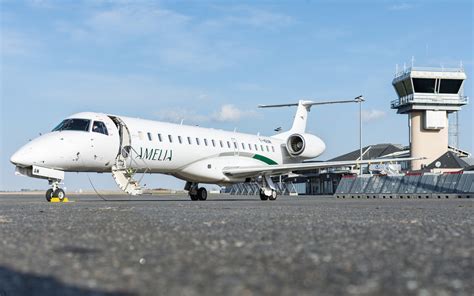
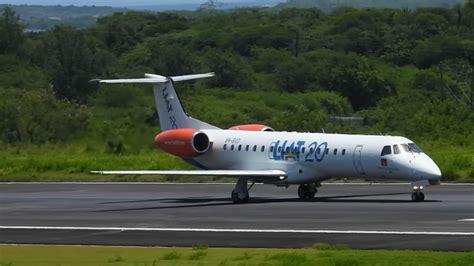
The strategic injection of capital and the leasing of modern Embraer E145 regional jets gave LIAT20 immediate operational leverage. These aircraft, known for their efficiency and speed, were essential to the airline’s commitment to reliable and cost-effective inter-island travel. By August 6, 2024, LIAT20 had completed its inaugural flight to Castries, Saint Lucia, signaling the start of what would quickly evolve into a robust regional schedule.
Operational Excellence Rooted in Legacy and Technology
While LIAT20 operates with a fresh vision, it retains the legacy routes and logistical intelligence of its predecessor. This balance between tradition and modernity has positioned LIAT20 as a bridge between history and innovation in Caribbean aviation. The current fleet, as of December 2024, consists of:
- 1 ATR 42-600 (48 passengers), inherited from LIAT (1974)
- 3 Embraer E145s (50 passengers), leased from Air Peace
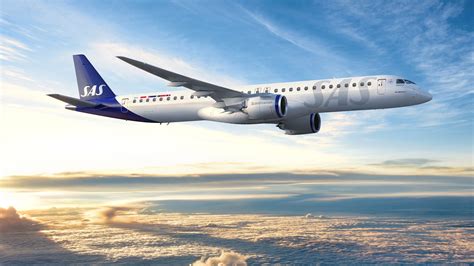
Additionally, plans are underway to introduce the larger and more capable Embraer E195-E2 (124 passengers), further reinforcing the airline’s ambition to serve longer routes with greater efficiency.
Fleet choices reflect a keen focus on matching aircraft capabilities with regional demands. The smaller jets are ideal for short-haul flights, quick turnarounds, and operating in smaller airports that populate the Caribbean archipelago.
Rebuilding the Regional Network with Strategic Hubs
LIAT20’s hub strategy is central to its operational blueprint. With V.C. Bird International Airport in Osbourn, Antigua, and Argyle International Airport in Saint Vincent serving as dual hubs, the airline is well-positioned to redistribute traffic effectively across the eastern Caribbean.
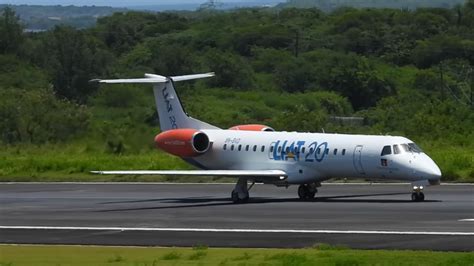
The airline currently services 12 regional destinations, a number expected to grow as demand stabilizes and expansion plans are executed. The current list of cities includes:
- Antigua and Barbuda: Osbourn, Codrington
- Barbados: Bridgetown
- British Virgin Islands: Tortola
- Dominica: Marigot
- Grenada: St. George’s
- Guyana: Georgetown
- Jamaica: Kingston
- Saint Kitts and Nevis: Basseterre
- Saint Lucia: Castries
- Saint Vincent: Kingstown
- Sint Maarten: Philipsburg
- Trinidad and Tobago: Port of Spain
In a region where direct connectivity was once fragmented, LIAT20 reintroduces multi-point routes that maximize load factors while minimizing costs. For instance, the Antigua–Saint Lucia–Barbados route operates twice daily, thrice weekly, streamlining travel for both business and leisure passengers.
Leadership, Management, and Regional Cooperation
At the helm of LIAT20 is CEO Hafsah Abdulsalam, whose leadership has been instrumental in stabilizing operations and setting a long-term growth agenda. Her aviation experience and strategic alignment with both Air Peace and regional governments have created a collaborative environment that values efficiency, reliability, and community engagement.
The role of the Government of Antigua and Barbuda goes beyond financial backing. The state has taken a proactive stance in shaping air policy and infrastructure development to support LIAT20’s vision. This includes modernizing airport facilities, adjusting regulatory frameworks, and ensuring competitive pricing structures for regional routes.

Economic and Societal Impact of LIAT20’s Revival
The operational resurgence of LIAT under the LIAT20 banner has had profound implications for regional economies. For many island nations, air connectivity is not a luxury — it is a lifeline. By restoring air links severed in the post-pandemic contraction, LIAT20 contributes to:
- Tourism revitalization through enhanced accessibility
- Trade facilitation, particularly among CARICOM countries
- Labor mobility for regional professionals and essential workers
- Emergency response logistics and humanitarian aid
Moreover, LIAT20’s return has re-employed skilled workers previously displaced during the LIAT (1974) closure, reinforcing the airline’s commitment to community upliftment and economic inclusion.
Challenges and Competitive Landscape
LIAT20 does not operate in a vacuum. The Caribbean aviation sector remains highly competitive, with international and regional carriers competing for passenger volume. Airlines such as Caribbean Airlines, InterCaribbean Airways, and even low-cost international players pose substantial competition.
However, LIAT20’s advantage lies in its deep regional integration, governmental alignment, and fleet flexibility. The company’s ability to adjust routes dynamically, operate in underserved markets, and maintain operational cost-efficiency offers it a competitive edge.
Challenges persist in the form of:
- High fuel costs, which affect margins
- Volatile tourism demand, influenced by global travel trends
- Weather disruptions, a constant reality in tropical regions
Still, the airline’s emphasis on resilience planning, digital ticketing, and real-time communication systems ensures preparedness and customer engagement.
The Path Forward: Expansion and Innovation
Looking ahead, LIAT20 plans to consolidate its presence while pushing into new growth corridors. The anticipated acquisition of the Embraer E195-E2 marks a bold step toward medium-haul operations that could link the northern and southern Caribbean more efficiently or even reintroduce routes to mainland U.S. and South America.
The airline is also exploring:
- Eco-friendly initiatives, including sustainable aviation fuel partnerships
- Enhanced cargo capabilities through LIAT Quikpak
- Digital experience optimization with mobile-first platforms
Partnerships with regional tourism boards, hospitality stakeholders, and business communities are also on the agenda, recognizing that air travel is a linchpin for holistic regional development.
Conclusion: A Symbol of Regional Resilience and Unity
LIAT20’s revival is not just about restoring flights — it is about redefining what Caribbean aviation can and should be. The airline’s strategic approach, modern fleet, and emphasis on regional cooperation present a compelling case for sustainable growth. At a time when Caribbean nations are focused on economic recovery, cultural exchange, and global relevance, LIAT20 stands as both a symbol and a driver of progress.
The skies are once again open — not just for travel, but for opportunity, unity, and the enduring promise of regional connection.