Loft Dynamics, formerly known as VRM Switzerland, has emerged as a trailblazer in aviation simulation technology, redefining how pilots are trained for rotorcraft, eVTOL, and now fixed-wing operations. Headquartered in Dübendorf, Switzerland, the company was founded in 2016 by Fabi Riesen, an electrical engineer and pilot with a visionary approach to virtual flight training. Since its inception, Loft Dynamics has disrupted traditional flight simulation with the world’s only VR-based simulators to receive regulatory approval from both the Federal Aviation Administration (FAA) and the European Union Aviation Safety Agency (EASA).
At the core of Loft Dynamics’ mission is a bold ambition: to make pilot training safer, more accessible, and more cost-effective than ever before. Unlike bulky and prohibitively expensive legacy full-flight simulators, Loft Dynamics offers compact, fully immersive, and mobile training solutions that bring high-fidelity flight experiences to institutions and operators around the globe.
The Rise of a Swiss Innovation Powerhouse
Loft Dynamics’ journey began with the development of its Robinson R22 Virtual Reality Training Device, which, in 2021, became the first VR simulator to be granted FTD Level 3 qualification by EASA. This regulatory milestone marked a turning point, as it validated the use of virtual reality in formal pilot certification processes.
Strategic alliances quickly followed. In 2022, the company partnered with Airbus Helicopters to develop the Airbus H125 simulator, launched in collaboration with Helitrans Norway. That same year, Loft Dynamics extended its Airbus collaboration to build the first-ever VR simulator for the Airbus H145, a twin-engine utility helicopter widely used in rescue and law enforcement operations.
Pioneering Regulatory Approvals
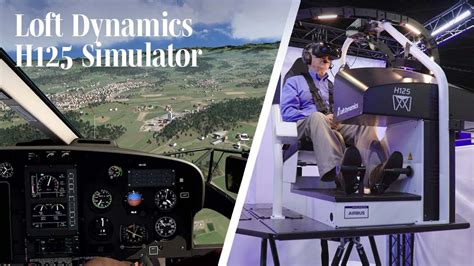
In a heavily regulated industry where safety is paramount, Loft Dynamics has shattered ceilings. In July 2024, the FAA formally qualified Loft Dynamics’ H125 VR simulator, making it the first VR flight simulation training device to be approved in the United States. This watershed moment aligned with EASA’s earlier approvals and set the stage for transatlantic standardization of VR-based aviation training.
Additional groundbreaking milestones include:
- May 2024: Partnership with Dufour Aerospace to develop the first eVTOL-specific simulator for the Aero3 platform.
- June 2024: EASA approval for the first VR Helicopter External Sling Load Operations (HESLO) training device, enabling realistic load-transport training for utility and rescue missions.
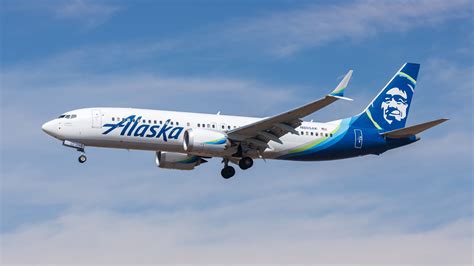
- April 2025: Entered the fixed-wing segment with Alaska Airlines, developing the world’s first Boeing 737 VR simulators aimed at modernizing and decentralizing airline pilot training.
VR Technology Redefining Flight Simulation Standards
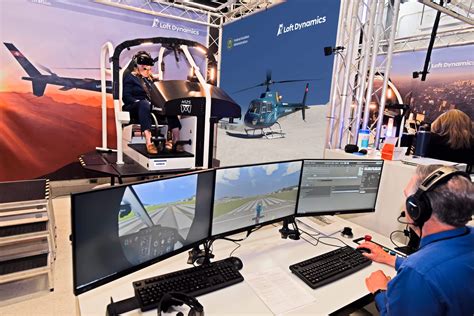
Loft Dynamics’ simulators are built upon a sophisticated combination of full-scale replica cockpits, dynamic motion platforms, and high-fidelity VR systems. These ISO 9001-certified devices pack the power of a traditional full-flight simulator into a unit that is ten times smaller and significantly more affordable. Central to this innovation is the use of Varjo’s professional-grade VR headsets, delivering:
- 360-degree field of view
- 90Hz refresh rate
- 2 x 8 megapixel resolution with 30 pixels per degree
- Pose tracking technology to mimic pilot movement in real time
This synergy creates an immersive, hyper-realistic flight environment that allows pilots to practice high-risk maneuvers, simulate emergency scenarios, and gain operational experience across various terrains and weather conditions without ever leaving the ground.
Training Applications Across the Aviation Ecosystem
Loft Dynamics serves a broad spectrum of clients—from military and law enforcement agencies to airlines, helicopter operators, OEMs, and academic institutions. Their training solutions are currently deployed at:
- Federal Aviation Administration’s William J. Hughes Technical Center in New Jersey
- Los Angeles Police Department Air Support Division, using the Airbus H125 VR simulator for tactical pilot training
- Marshall University, contributing to academic pilot development in West Virginia
- Air Greenland, enhancing pilot readiness for Arctic operations
- Blackcomb Helicopters, operating in the challenging mountain terrain of Whistler, British Columbia
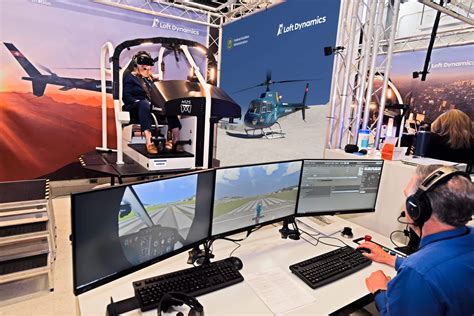
This wide adoption is not just about technological appeal; it’s about mission-specific utility. The LAPD, for example, trains its pilots in simulated downtown Los Angeles environments, enabling them to rehearse real-world law enforcement missions without putting lives at risk or consuming operational fuel. For Alaska Airlines, the simulator’s portability means that costly trips to central training hubs can be replaced with localized VR training facilities across the U.S.
Financial Backing and Global Expansion
To support its expansion, Loft Dynamics raised $20 million in venture capital in late 2022 from high-profile investors, including Craft Ventures, Sky Dayton, and UP Partners. These funds enabled the launch of a new North American headquarters and training center at Santa Monica Airport in early 2024.
This facility now stands as a beacon of innovation, offering hands-on experience with Loft Dynamics’ Airbus H125 simulators and positioning the company as a dominant force in the growing U.S. pilot training market. It also reflects the company’s strategy to globalize access to VR-based aviation training, democratizing advanced simulation technology previously reserved for large airline fleets and military budgets.
The Human Element: Leadership and Expertise
Behind Loft Dynamics’ success lies a leadership team deeply embedded in both aviation and technological innovation. Fabi Riesen, the company’s founder and CEO, brings the dual perspective of a pilot and electrical engineer. His cofounder, Christian Marty, serves as Chief Technology Officer, spearheading the software and hardware architecture of the simulation systems.
In 2024, Loft Dynamics welcomed former FAA administrators Randy Babbitt and Michael Huerta to its Advisory Board, a move that further solidified the company’s commitment to compliance, safety, and international regulatory alignment. Their expertise is instrumental in navigating the evolving intersection of immersive technology and aviation governance.
From Helicopters to the Future of eVTOL and Commercial Aviation
Loft Dynamics is not just building simulators—it is laying the groundwork for the future of flight. The company’s strategic push into eVTOL training, particularly with its Aero3 simulator developed with Dufour Aerospace, positions it to lead in a market where urban air mobility and sustainability are becoming central aviation priorities.
Simultaneously, the company’s entry into fixed-wing simulation marks a critical moment in commercial aviation. In partnership with Alaska Airlines and Boeing, Loft Dynamics is poised to reinvent how airline pilots are trained, addressing the industry’s persistent shortage and cost challenges with scalable VR alternatives.
Conclusion: Loft Dynamics Is Shaping the Future of Flight Training
From its origins in a Zurich suburb to partnerships with global giants like Airbus and Alaska Airlines, Loft Dynamics has consistently demonstrated its ability to innovate, scale, and lead. As aviation grapples with pilot shortages, regulatory pressures, and environmental concerns, the company offers a bold solution: transformative VR-based training that blends safety, immersion, and cost-efficiency.
Its simulators are more than tools—they are platforms for the future, enabling new pilots to enter the industry faster and existing ones to sharpen their skills in ways that were previously unimaginable. For an industry historically slow to adapt, Loft Dynamics is the technological jolt aviation has been waiting for.