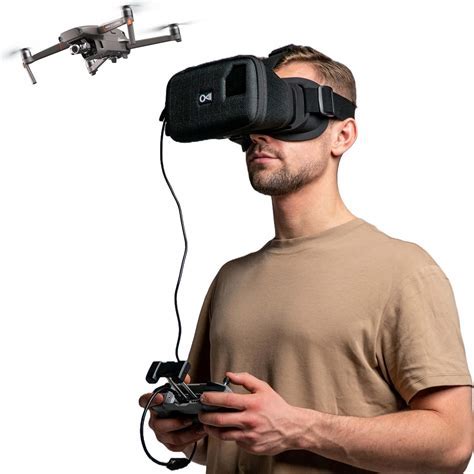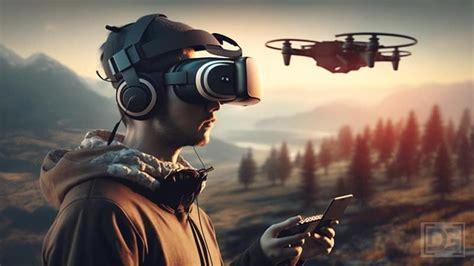
Virtual reality has redefined the way we experience flight. In 2025, VR drones stand as the pinnacle of immersive aerial technology, merging first-person view (FPV) capabilities with ultra-stabilized, high-definition cameras and intelligent control systems. As the boundary between simulation and reality continues to blur, the best VR drones of this year offer astonishing levels of interactivity, clarity, and accessibility—whether for seasoned pilots, content creators, or hobbyists venturing into the skies for the first time.
The latest evolution in drone innovation isn’t merely about higher resolution or longer flight times—it’s about complete spatial immersion, intuitive motion tracking, and cinematic-level stabilization. At the center of this transformation are powerful models like the DJI Avata 2, DJI FPV Combo, and DJI Air 3, redefining what it means to truly fly.
The Rise of VR-Integrated Drones in 2025
Drones with VR/FPV capability are now embedded with technologies that mimic human spatial perception: head tracking, wide-angle lenses, real-time responsiveness, and ultra-low latency video. These systems give pilots the sensation of being inside the drone—soaring above forests, racing through industrial zones, or filming cityscapes with astonishing agility.
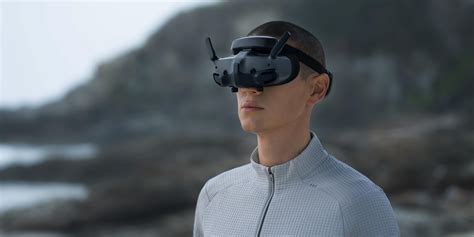
The hardware driving this includes next-gen gimbals, 4K+ image sensors, and headsets like DJI Goggles 3, which offer 155° fields of view, minimal latency, and seamless pairing with high-performance drones.
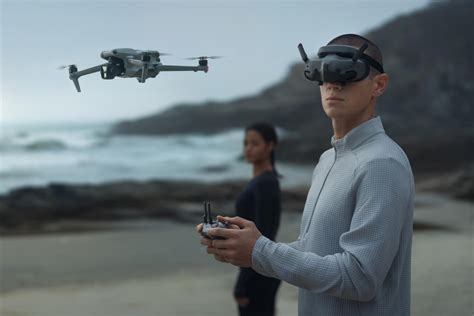
Leading this revolution is DJI, whose range of 2025 releases caters to every segment of the market—from novice VR flyers to professional aerial filmmakers. The following analysis breaks down the most influential VR drones shaping this new era.
DJI Avata 2: The Flagship for Full Immersion
The DJI Avata 2 is the definitive FPV drone of 2025. Built with VR flight as its core functionality, it pairs seamlessly with DJI Goggles 3, Motion Controller 3, and the DJI RC 2. The super-wide 155° FOV provides an enveloping visual experience that makes flying feel natural and instinctive.
Its 1/1.3” CMOS sensor shoots crystal-clear 4K HDR footage at high frame rates, supported by DJI’s improved RockSteady stabilization system. With a range of 13 km and 23 minutes of flight time, it is engineered for dynamic cinematic runs and aggressive FPV maneuvers.
What sets the Avata 2 apart is its tight ecosystem integration. It works with multiple goggle generations, including the N3 and Integra, allowing for flexible upgrades.
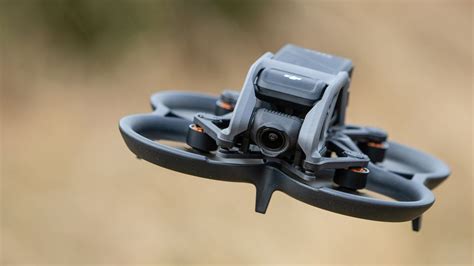
DJI FPV Combo: The All-Rounder with a Cult Following
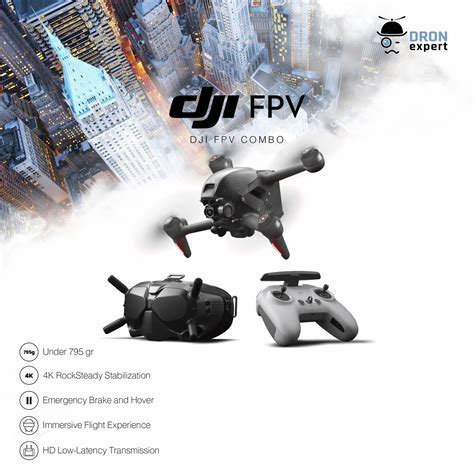
The original DJI FPV Combo continues to dominate for good reason. Often described as the “Millennium Falcon of drones,” this model delivers 4K Ultra HD video through a 1/2.3” CMOS sensor, bolstered by low-latency video streaming and head tracking via the Integra Goggles.
With a 6.2-mile range and up to 20 minutes of flight time, its strength lies in its agile handling and flight mode diversity—shifting from Beginner to Manual for high-speed acrobatics. Although pricier, its robust construction and tactile control scheme still make it a favorite among drone racers and semi-pro aerial videographers.
DJI Air 3: Cinematic VR from Dual Cameras
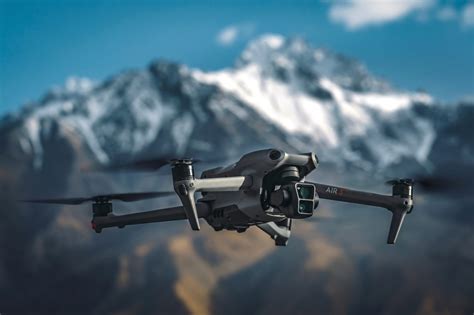
The DJI Air 3 brings serious camera technology to the VR drone segment. Equipped with dual 4K HDR cameras (wide and telephoto), this drone supports immersive FPV flight through DJI Goggles 2 or Goggles Integra, and is operated via the intuitive RC Motion 2.
It boasts a remarkable 20 km range and an extended 46-minute flight time, making it ideal for long, uninterrupted cinematic sequences. Image quality is unmatched in its class, and the flight control precision supports complex shot compositions even in difficult terrain.
DJI Neo Three-Battery Combo: Streamlined for Immersive Play
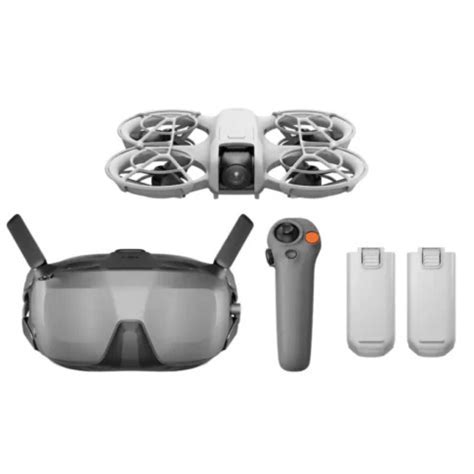
Targeting a younger, energetic demographic, the DJI Neo Three-Battery Combo balances portability and FPV engagement. Offering three rapid-charge batteries with 18 × 3 minutes of flight time, it serves as a playground drone with 4K UHD capability and simplified smartphone-based flight UI.
Compatible with DJI Goggles N3, it bridges casual drone gaming and immersive FPV realism, especially useful for drone arcade venues or sports-focused entertainment arenas.
DJI Mini 4 Pro Fly More Combo+: Lightweight Powerhouse for Travelers
For travelers and aerial bloggers, the DJI Mini 4 Pro Fly More Combo+ is the definitive pick. It’s incredibly light but houses a 1/1.3” CMOS sensor for 4K HDR, with full compatibility for Goggles 2, Integra, and RC Motion 2.
With an 18 km range and 45 minutes of airborne operation, its portability doesn’t come at the expense of image integrity. For backpackers or vloggers wanting VR-style content with minimal gear, this drone is unrivaled.
Affordable & Entry-Level VR Drone Options
For newcomers, several budget-friendly VR drones offer a solid starting point into immersive flight:
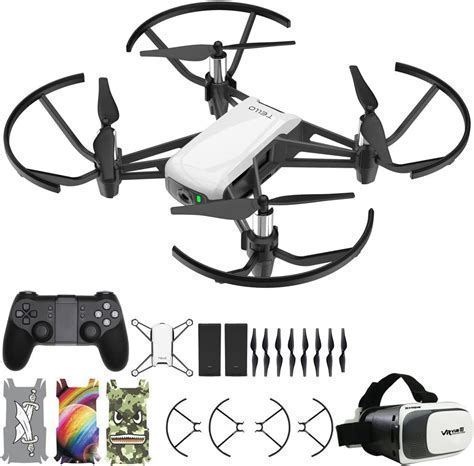
- DJI Tello: Offers basic VR flying through smartphone integration. Despite its compact size, it features a 5 MP camera, Intel processing, and 13-minute airtime. Suitable for students and experimental pilots.
- Sky Viper V2400 HD: Comes with a simple smartphone-based FPV headset, offering 720p streaming. Auto-launch, hover, and land make it easy to fly.
- DJI Spark: Though basic, it’s upgradeable into a VR-capable drone using third-party goggles and a separate radio controller.
High-End Legacy Models That Still Dominate
Some models from previous years continue to impress in 2025 thanks to upgrades and firmware enhancements:
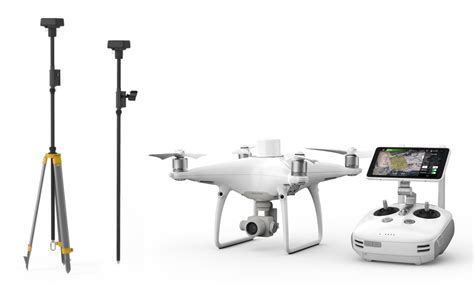
- DJI Phantom 4 Pro: With a 1-inch Sony EXMOR 20 MP sensor, obstacle avoidance, and 30-minute flight endurance, it’s an elite choice for solo filmmakers using head-tracked FPV.
- DJI Mavic Pro: Known for foldable form, 27 minutes of airtime, and head-tracked gimbal control. A dependable FPV drone with outstanding reliability.
- Parrot Bebop 2 FPV: While less powerful, its bundled Cockpitglasses and Skycontroller 2 still make it a top pick for casual immersive flying.
Why VR Drones Are the Future of Aerial Exploration
2025 makes it clear: the drone experience is evolving from a detached aerial view to total spatial immersion. The best VR drones now offer flight modes that mimic natural human movement, intuitive motion-based controls, and headsets that blur the line between real and simulated environments.
With high-FOV optics, rapid frame rates, and ultra-responsive gimbals, drone pilots are no longer merely operators—they are immersed participants in every flight. Whether it’s professional film production, recreational racing, or virtual tourism, VR drones make each experience visceral, intuitive, and breathtaking.
The democratization of immersive drone flight—once reserved for elite videographers—is now real. With models like the DJI Avata 2, DJI FPV Combo, and DJI Air 3, the sky isn’t just the limit—it’s the playground.