Lufthansa is preparing to unveil one of the most ambitious upgrades in its modern history, signaling a decisive shift in how the airline approaches long-haul passenger experience. Branded as Project FOX — Future Onboard Experience, this sweeping initiative is timed to coincide with the airline’s 100th anniversary in 2026, and it promises a comprehensive rethinking of onboard service across all cabins. While much attention has been placed on Lufthansa’s new Allegris cabin interiors, Project FOX moves beyond hardware, targeting the often-overlooked yet critical realm of soft product—the service, dining, comfort, and emotional touchpoints that define how a journey feels.
The rollout timeline is no longer abstract. Lufthansa has confirmed that First Class passengers will begin experiencing FOX enhancements in late March 2026, with Business Class, Premium Economy, and Economy Class following in May. This staggered approach suggests a carefully controlled deployment, allowing the airline to fine-tune execution before scaling across its global network.
What makes Project FOX particularly notable is its scope. Unlike previous upgrades that were limited to specific aircraft or cabins, this initiative is designed to standardize and elevate the experience fleet-wide, regardless of whether passengers are seated in the latest Allegris suites or legacy configurations. That decision alone hints at a deeper strategic intent: consistency as a competitive weapon.
A Strategic Push to Reclaim Premium Leadership in Europe
Lufthansa’s ambitions are anything but modest. The airline has openly stated that Project FOX is central to its goal of becoming Europe’s leading premium airline. Backed by an investment exceeding €70 million within a single year, the initiative reflects both urgency and scale. CEO Jens Ritter has framed the project as a commitment not only to product excellence but to restoring Lufthansa’s identity as a distinctive and attentive host in the skies.
This is more than marketing language. Over the past decade, Lufthansa has faced increasing pressure from competitors who have aggressively refined their onboard experiences. Air France, for example, has redefined expectations in business class with polished service and elevated cuisine, while British Airways has modernized its premium cabins and service delivery. Against this backdrop, Lufthansa’s offering has often felt static—reliable, but lacking the emotional resonance that defines a truly premium journey.
Project FOX is Lufthansa’s answer to that gap. It aims to inject individuality, flexibility, and memorable “signature moments” into the travel experience, transforming flights from transactional journeys into curated experiences.
Individuality Takes Center Stage Across All Cabins
One of the defining pillars of Project FOX is personalization. Lufthansa is moving away from rigid service structures toward a model that gives passengers greater control over how they experience their flight. This shift is most evident in Business Class, where travelers will soon be able to choose the timing of their second meal service, selecting from a broader menu of dishes, snacks, and lighter options whenever it suits them.
This seemingly simple change addresses a long-standing pain point in premium travel: the lack of flexibility in onboard dining. By allowing passengers to align meal service with their personal schedule—whether they prefer to sleep immediately after takeoff or dine later in the flight—Lufthansa is aligning itself with evolving passenger expectations shaped by competitors and luxury hospitality trends.
In Economy and Premium Economy, personalization is being introduced through expanded meal choices. Increasing the number of options from two to three may appear incremental, but it reflects a broader philosophy: even in lower cabins, passengers should feel a sense of agency and consideration.
Elevated Comfort Through Design and Detail
Comfort under Project FOX extends beyond seat dimensions or cabin layout. Lufthansa is focusing on the tactile and visual elements that subtly shape passenger perception. Expect upgraded textiles, redesigned amenity kits, and entirely new tableware across all cabins. These elements are being positioned not merely as functional upgrades but as expressions of quality and brand identity.
The emphasis on tableware is particularly telling. In premium travel, the dining experience is as much about presentation as it is about taste. By introducing modern, timeless designs that feel substantial and refined, Lufthansa aims to elevate even routine meals into something more memorable.
This attention to detail extends to bedding and onboard materials, areas where Lufthansa has historically lagged behind competitors. A thoughtful upgrade here could have an outsized impact, especially on long-haul flights where comfort directly influences passenger satisfaction.
Signature Moments That Define the Lufthansa Experience
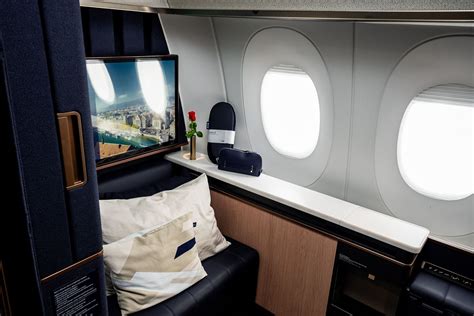
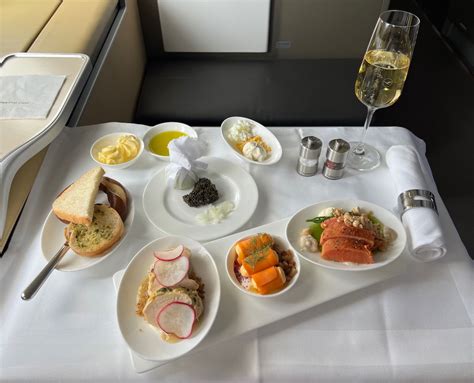
Perhaps the most intriguing aspect of Project FOX is its focus on “Lufthansa Signature Moments.” These are the distinctive touches designed to create emotional connections and lasting memories. In First Class, this includes the continuation and enhancement of iconic elements such as the rose service and caviar presentation, both of which have long served as hallmarks of Lufthansa’s premium identity.
Additionally, the airline is leaning into unique offerings like its signature Avionic cocktail, reinforcing brand identity through curated experiences. Culinary offerings will also evolve, embracing a “triad” concept that blends familiar comfort, global variety, and Lufthansa-specific signature dishes. Menus are expected to draw inspiration from both the destination and the point of departure, creating a narrative that unfolds throughout the flight.
This approach reflects a broader industry trend: passengers increasingly value experiential travel, where the journey itself becomes part of the destination.
A Long Overdue Overhaul of the Soft Product
For frequent flyers, the significance of Project FOX lies in how overdue these changes are. Lufthansa’s onboard experience has remained largely unchanged for years, creating a growing disconnect between its brand positioning and actual delivery. Even internal voices have acknowledged the issue. A representative of Lufthansa’s flight attendants previously described the airline’s service as having become “interchangeable” and “emotionless,” a stark assessment that underscores the need for transformation.
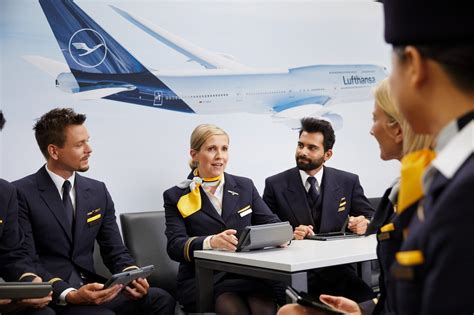
Project FOX is not just an upgrade—it is a course correction. By involving 180 employees and nearly 2,000 customers in its development, Lufthansa has attempted to ground the initiative in real-world feedback. Trial runs on select routes have already provided insights, allowing the airline to refine service concepts before full deployment.
Yet, questions remain. While the planned enhancements are meaningful, some observers argue they may not go far enough to truly redefine the competitive landscape. Incremental improvements—such as expanded meal choices or flexible dining—are valuable, but they may not अके elevate Lufthansa to the top tier of European carriers.
Bridging the Gap Between Promise and Execution
The ultimate success of Project FOX will depend on execution. Airlines have historically struggled to deliver consistent service across large, complex networks. Training, staffing, and operational constraints often dilute even the most well-designed concepts.
For Lufthansa, the challenge is twofold: deliver consistency across all cabins and aircraft, and translate design improvements into genuine emotional impact. Passengers are quick to notice when service feels scripted rather than sincere, or when premium branding is not matched by attention to detail.
There is also the question of differentiation. In a market where competitors are continuously innovating, standing still is not an option—but neither is simply catching up. Lufthansa must find ways to surprise and delight passengers, creating moments that feel uniquely its own.
A Defining Moment for Lufthansa’s Future
Project FOX arrives at a pivotal moment. As Lufthansa celebrates a century of operations, it faces the dual challenge of honoring its legacy while adapting to a rapidly evolving industry. Passenger expectations have shifted dramatically, influenced by both luxury hospitality and digital personalization. Airlines are no longer judged solely on safety and efficiency, but on how they make passengers feel.
The coming months will reveal whether Project FOX can deliver on its promise. Early indicators suggest a thoughtful, well-structured initiative with clear intent. Yet, the gap between ambition and perception will ultimately be measured in the lived experiences of passengers—meal by meal, interaction by interaction, flight by flight.
If executed well, Project FOX could mark the beginning of a new era for Lufthansa, restoring its position as a leader in premium air travel. If not, it risks being remembered as a well-intentioned upgrade that fell short of truly transformative impact. Either way, the stakes could hardly be higher for an airline looking to redefine itself at 35,000 feet.